POLITICS

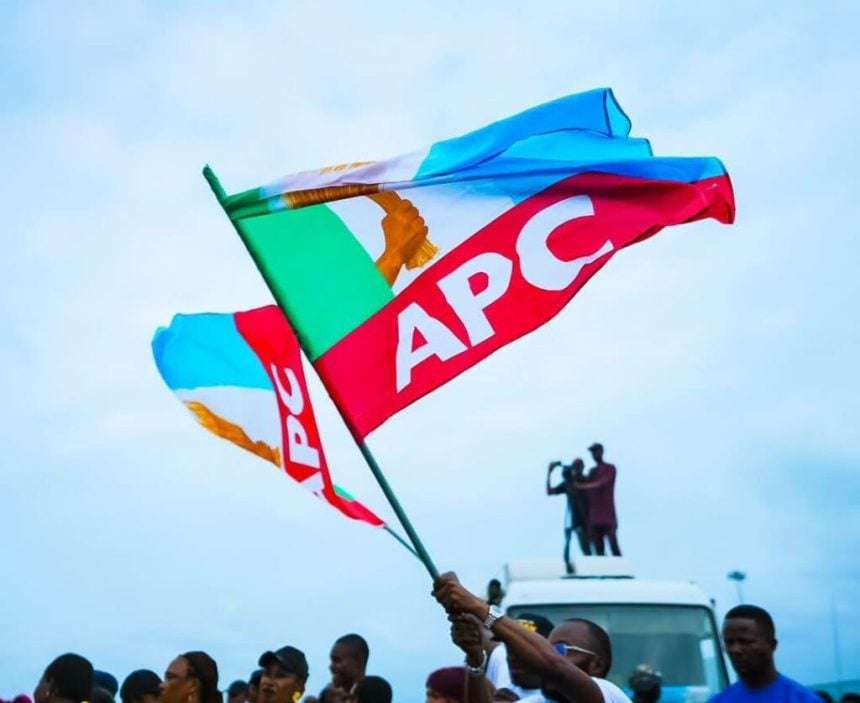
In Nigerian politics, silence is rarely accidental. It is not simply the absence of speech, nor a failure of communication. More often, it is a calculated political act, deployed with as much intention as a televised address or a carefully worded press statement. Across successive administrations, Nigerian presidents have repeatedly used non-response as a strategic […]
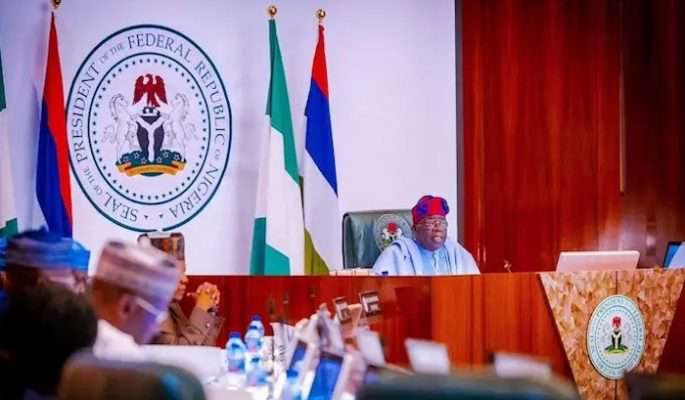
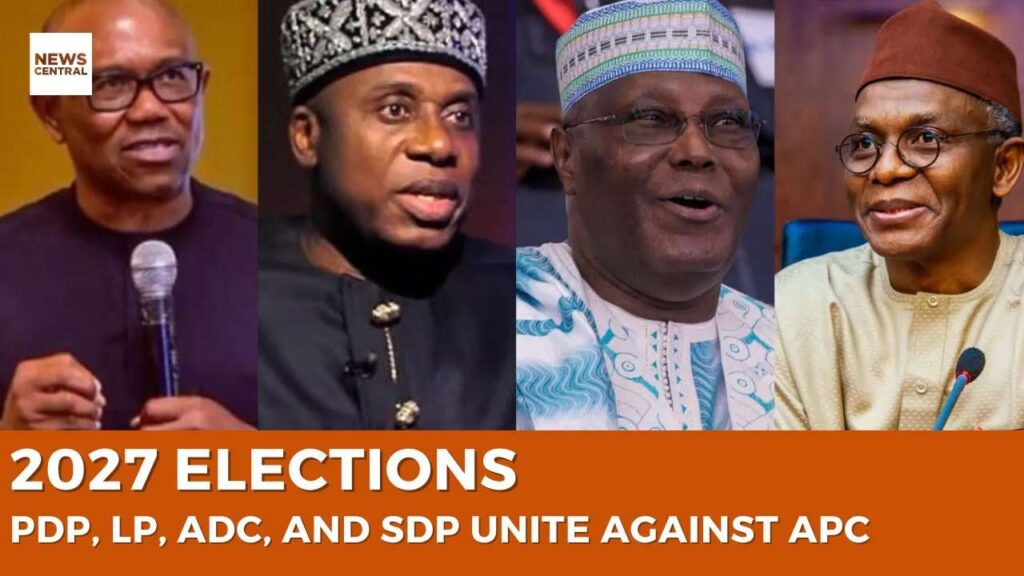
The Politics of Silence: How Nigerian Presidents Use Non-Response as Political Strategy

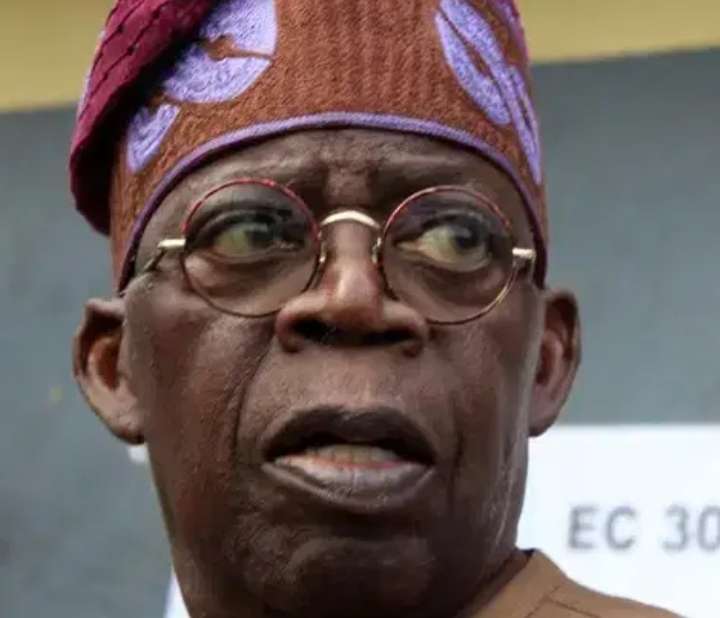
When was sworn in as Nigeria’s 16th president in May 2023, it represented more than a routine democratic transition. His rise to the presidency was the culmination of decades of careful political engineering, strategic coalition-building, and structural positioning within the ruling . Unlike many of his predecessors, Tinubu did not enter office as an outsider

Inside Tinubu’s Presidency: Power Consolidation, Political Alliances, and the New Structure of Nigerian Executive Authority

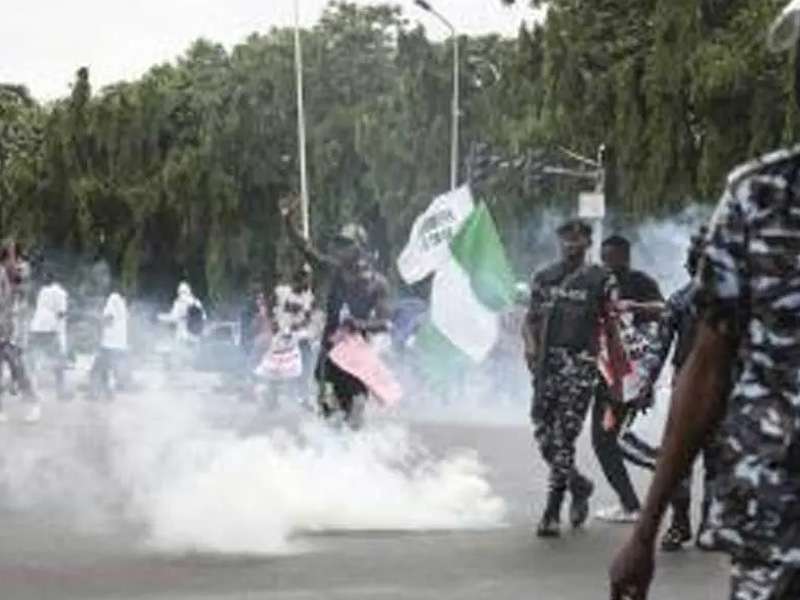
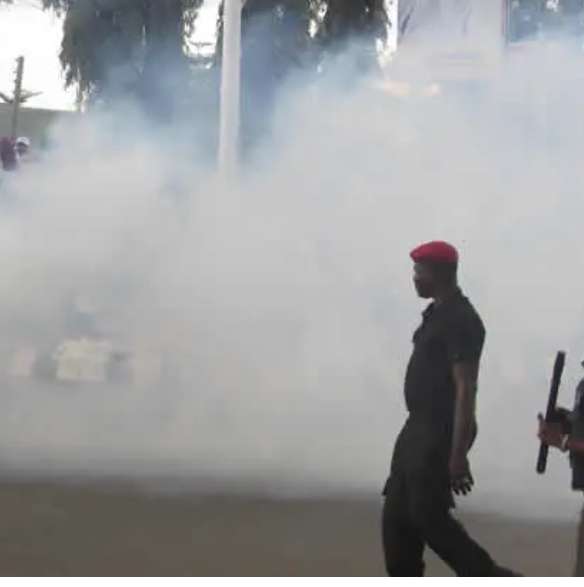
Nigeria’s streets have once again become the theatre of tension between civic expression and state authority. Recent protests outside the headquarters escalated into a confrontation involving uniformed security operatives, the deployment of tear gas, and a complex debate over the legality and proportionality of force. Social media images capturing fleeing crowds, clouds of gas, and

Inside EFCC Protests: Crowd Control, Tear Gas, and the Legal Limits of Security Forces in Nigeria

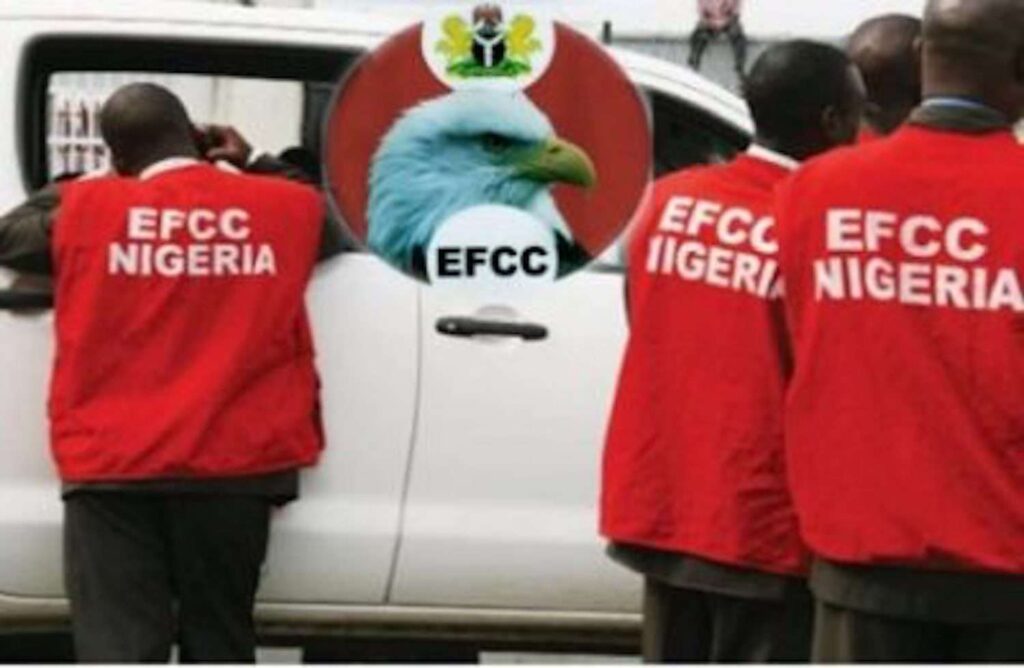
A War That Defines the Nigerian State No single institution captures the contradictions of the Nigerian state more vividly than the Economic and Financial Crimes Commission, widely known as the EFCC. Created as a symbol of reform and accountability, the EFCC was meant to represent Nigeria’s decisive break from decades of financial recklessness, elite impunity,

EFCC and the Politics of Anti-Corruption War in Nigeria: Between Law Enforcement, Power, and Political Survival

A tense and politically charged confrontation unfolded on Monday at the headquarters of Nigeria’s anti-graft agency in Abuja as supporters of former Kaduna State governor, , clashed with opposing protesters during his appearance before the (EFCC). What was initially a routine compliance visit by a former public official responding to an invitation from investigators quickly

Tear Gas Fired as El-Rufai Supporters, Protesters Clash at EFCC Headquarters

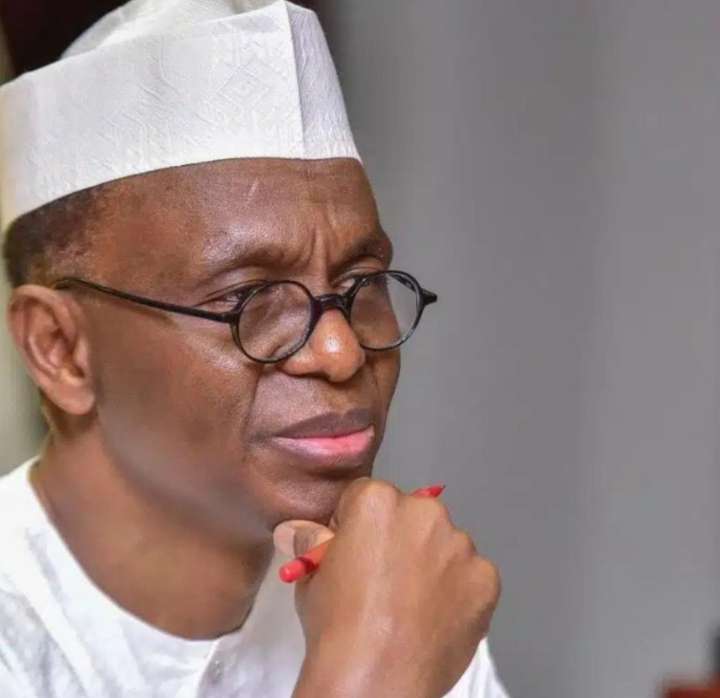
Abuja — Former Kaduna State Governor Nasir Ahmad El-Rufai on Monday arrived at the headquarters of the (EFCC) in Abuja, formally honouring an invitation from Nigeria’s leading anti-corruption agency as part of an ongoing investigation into alleged financial impropriety linked to his eight-year administration. El-Rufai’s appearance at the EFCC complex in the Jabi district of

Nasir El-Rufai Appears at EFCC Headquarters in Abuja as Anti-Graft Probe Deepens

When former Kaduna State governor declared in a series of recent interviews that “Tinubu’s government is afraid of my return,” the statement instantly reverberated across Nigeria’s political and media landscape. Within hours, the claim had been amplified by blogs, partisan commentators and social media influencers, many of whom framed it as proof of an imminent

Why Tinubu’s Government Is ‘Afraid’ of My Return – El-Rufai: Separating Political Rhetoric from Verifiable Reality

Nigeria’s already strained relationship with constitutionalism and due process was thrust back into the national spotlight this week after former Kaduna State governor alleged that security operatives attempted to arrest him at Abuja’s international airport and seized his passport without lawful justification. The claim, which has triggered intense national debate and sharply contrasting official responses,

Nigeria Must Outgrow Executive Overreach – El-Rufai, Airport Arrest Claim and the Deepening Crisis of Rule of Law