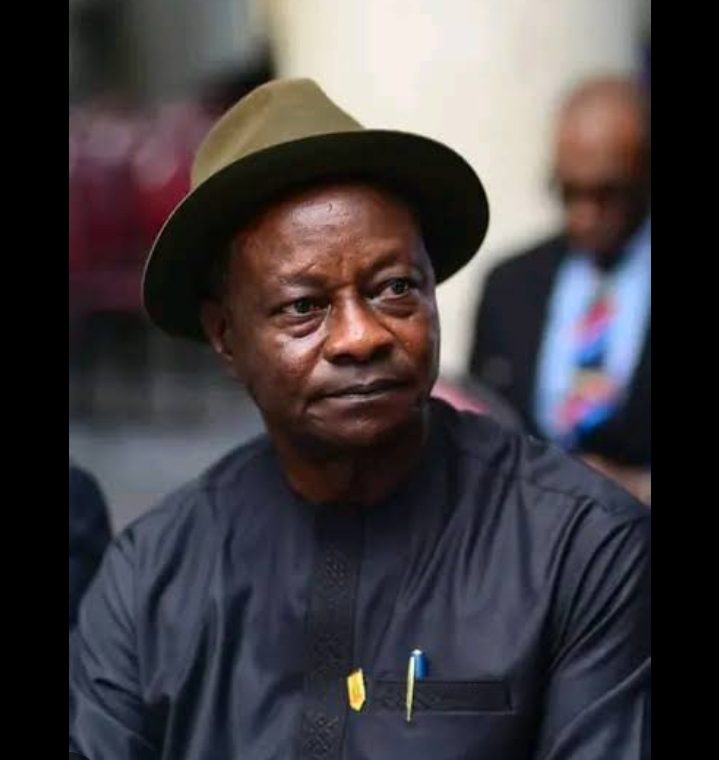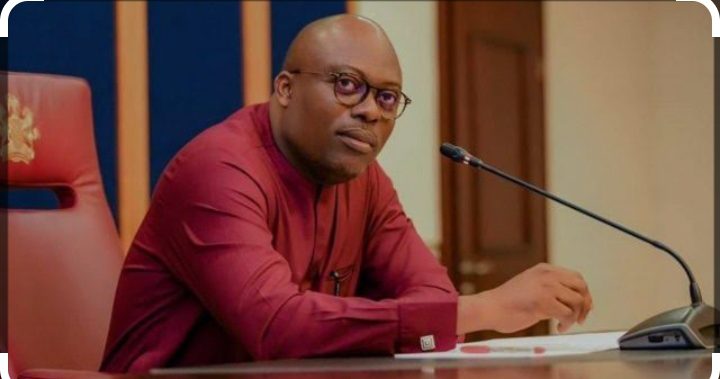
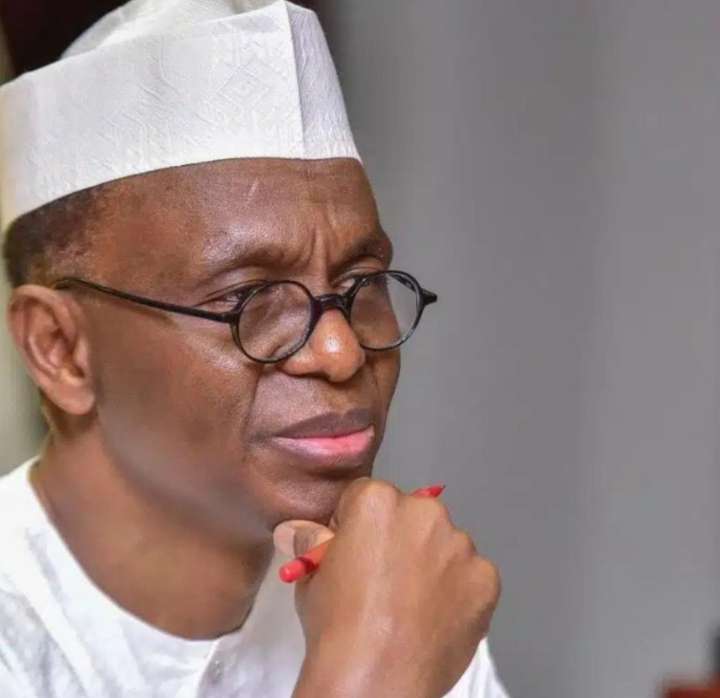
Abuja — Former Kaduna State Governor Nasir Ahmad El-Rufai on Monday arrived at the headquarters of the (EFCC) in Abuja, formally honouring an invitation from Nigeria’s leading anti-corruption agency as part of an ongoing investigation into alleged financial impropriety linked to his eight-year administration.
El-Rufai’s appearance at the EFCC complex in the Jabi district of the Federal Capital Territory marked a decisive moment in a controversy that has steadily escalated over recent weeks, drawing intense national attention and reviving broader debates about accountability, political power, and the rule of law in Nigeria.
The EFCC Invitation and the Core of the Investigation
The EFCC’s invitation to El-Rufai follows petitions and intelligence reports alleging large-scale financial irregularities during his tenure as governor of Kaduna State between 2015 and 2023. Although the commission has not publicly released the full details of its case file, multiple sources familiar with the investigation confirmed that the probe centres on alleged mismanagement of public funds, questionable loan transactions, and procurement practices undertaken by key agencies of the Kaduna State Government.
At the heart of the controversy are claims that cumulatively run into hundreds of billions of naira, involving state borrowing, infrastructure contracts, and financial decisions taken at the highest levels of the former administration. The EFCC is also reportedly examining aspects of internal audit reports and petitions submitted by civil society groups and political actors within Kaduna State.
While El-Rufai has consistently rejected the allegations, describing them as politically motivated and lacking evidentiary foundation, the EFCC has maintained that the investigation is part of its statutory mandate and not targeted at any individual for political reasons.
Arrival at EFCC Headquarters
El-Rufai arrived at the EFCC headquarters in the early hours of Monday accompanied by legal representatives and close associates. Security around the complex was significantly reinforced, with armed operatives controlling vehicular and pedestrian access into the area.
Sources within the anti-graft agency confirmed that the former governor was received by senior investigators and taken in for questioning. As of the time of filing this report, no official statement had been issued by the EFCC on the content or outcome of the interaction.
El-Rufai’s decision to present himself is consistent with earlier assurances from his legal team that he would honour any lawful invitation once he returned from overseas engagements. His camp has repeatedly insisted that he has “nothing to hide” and would cooperate fully with investigators.
Protests and Counter-Protests Outside the EFCC
Outside the EFCC complex, the atmosphere was charged. Two opposing groups of demonstrators gathered near the premises, reflecting the deep political and public divisions surrounding El-Rufai’s case.
One group, comprising activists and civil society organisations, called for his prosecution, carrying placards demanding accountability and urging the EFCC to “follow the money.” They argued that the allegations against the former governor were too serious to be ignored and symbolised the broader struggle against elite impunity in Nigeria.
On the other side were supporters of El-Rufai, many of whom described the investigation as selective justice and political persecution. They held banners proclaiming his innocence and accused security agencies of being instruments of political vendetta.
“Security operatives were deployed to prevent clashes between both groups, with access roads intermittently blocked and crowd-control measures activated, once again raising questions about the legal limits of security forces during political protests in Nigeria.”
Background: Airport Incident and Rising Political Tensions
The EFCC appearance comes just days after El-Rufai publicly claimed that his passport was seized by security operatives at the in Abuja following his return from abroad.
El-Rufai described the incident as an attempt to arrest or restrict his movement without formal charges. However, the (DSS) later denied any arrest attempt, stating that the passport seizure was linked to ensuring compliance with EFCC procedures.
The incident fuelled speculation that state security institutions were intensifying scrutiny of the former governor, especially following El-Rufai’s public attacks on Tinubu’s legitimacy and his growing distance from the political establishment he once belonged to.
Parallel Legal Challenges
Compounding El-Rufai’s legal troubles is a separate criminal charge recently filed by the before the in Abuja.
In that case, El-Rufai is accused of unlawfully intercepting or making claims about the private communications of Nigeria’s National Security Adviser, , during a televised interview.
The charge, which cites provisions of Nigeria’s cybercrime and communications laws, adds another layer of legal and political complexity to the former governor’s current predicament.
El-Rufai has denied the allegations, insisting that his comments were based on publicly available information and constituted legitimate political expression.
El-Rufai’s Position and Public Response
“Throughout the unfolding saga, El-Rufai has maintained a defiant posture. In public statements and social media posts, he has framed the investigations as part of a broader attempt to silence dissenting voices within Nigeria’s political elite, even as El-Rufai’s struggle to build a viable SDP opposition continues to face internal resistance and declining regional support.”
He has argued that the timing of the probes coincides with his increasingly critical stance toward the federal government and what he describes as democratic backsliding and executive overreach.
However, legal experts caution that political interpretations should not overshadow due process. According to constitutional lawyers consulted by SaharaNews247, the EFCC is legally empowered to invite, question, and, where necessary, prosecute any Nigerian citizen, irrespective of political status, provided investigations are conducted transparently and evidence-based.
Implications for Anti-Corruption and the Rule of Law
“El-Rufai’s appearance at the EFCC represents more than a personal legal challenge; it is widely seen as a test case for Nigeria’s anti-corruption architecture and the political economy of Nigeria’s anti-corruption war, where law enforcement often intersects with elite power struggles.”
For years, critics have accused Nigerian institutions of selectively applying the law, especially when powerful political figures are involved. The outcome of the EFCC’s investigation will therefore be closely scrutinised by civil society, the international community, and ordinary citizens who remain sceptical about elite accountability.
If handled professionally and transparently, the case could strengthen public confidence in Nigeria’s anti-graft agencies. If mishandled or politicised, it risks deepening public distrust and reinforcing perceptions that justice in Nigeria remains uneven.
What Happens Next
As of Monday evening, El-Rufai was still being engaged by EFCC investigators. It remains unclear whether he will be detained, granted bail, or asked to return for further questioning.
The EFCC is expected to issue an official statement in the coming days clarifying the status of the investigation and outlining the next procedural steps, consistent with the long-standing politics of silence in Nigerian presidential communication.
For now, one thing is certain: El-Rufai’s encounter with the EFCC has moved from political speculation into formal institutional scrutiny, marking a critical phase in a case that may redefine the boundaries of power, accountability, and justice in contemporary Nigerian politics.
Author Bio
Smart Chuks is a senior investigative journalist and political affairs editor at SaharaNews247. He specialises in governance, security, and anti-corruption reporting, with a focus on accountability, constitutionalism, and public sector reform in Nigeria and across West Africa. His work is driven by data, legal analysis, and on-the-ground reporting.