The Independent National Electoral Commission (INEC) has postponed its planned nationwide voter revalidation exercise until after Nigeria’s 2027 General Election, moving a major proposed cleanup of the national voter register beyond the election it was originally intended to help prepare for. The decision, announced on April 10, came just three days before the exercise was […]
POLITICS
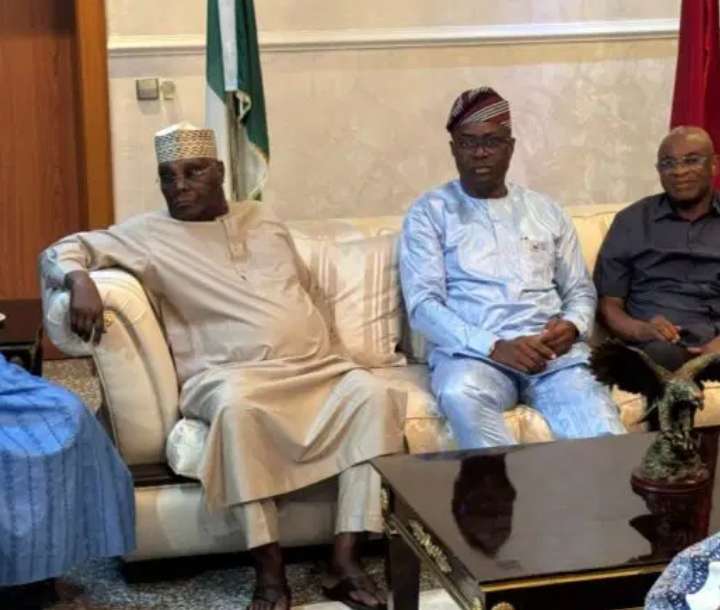
On the evening of April 8, 2026, a gathering of notable political figures took place in the heart of Nigeria’s capital city. In the leafy residential district of Asokoro, at the home of former Senate President David Mark, a cluster of politicians from two of Nigeria’s opposition parties the African Democratic Congress (ADC) and the
ADC–PDP Abuja Meeting: What It Means for Nigeria’s 2027 Elections
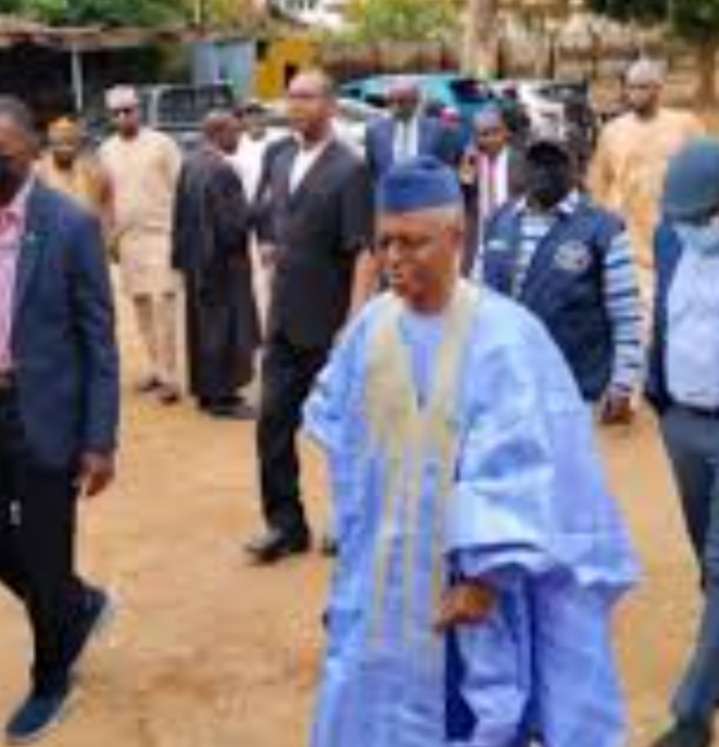
Kaduna, Nigeria — April 1, 2026 — Former Kaduna State Governor Nasir Ahmad El‑Rufai was again seen at the Federal High Court in Kaduna on Wednesday morning, marking a pivotal moment in a high‑profile legal battle that has captivated national attention. The proceedings, centred on El‑Rufai’s bid for bail in a major corruption case, embody
El‑Rufai Spotted in Kaduna Court Ahead of High‑Stakes Bail Hearing
Nigeria’s fiscal trajectory has entered a sharper phase of scrutiny after the approved President ’s request to secure $6 billion in fresh external borrowing. This approval comes at a time when the country is already committing a dominant share of its earnings to servicing existing debt. Beyond the optics of legislative endorsement, this decision exposes
Senate Approves Tinubu’s $6 Billion Loan as Nigeria Slides Deeper Into Costly Debt Trap
The return of former Kaduna State governor to court in Kaduna on Tuesday, March 31, following the burial of his mother, has pushed one of Nigeria’s most closely watched legal battles back into active motion. His reappearance before the Kaduna court is more than a procedural continuation. It represents a major phase in what is
El-Rufai Returns to Kaduna Court After Mother’s Burial as Corruption Trial Enters Critical Phase
A Nation Reforming Under Pressure When announced the removal of petrol subsidies and the unification of Nigeria’s exchange rate system in May 2023, the decision marked one of the most consequential economic policy shifts in the country’s post-democratic history. The reforms, long advocated by institutions such as the and the , were designed to eliminate
Nigeria’s Economic Crisis Deepens Despite Reforms: Why Tinubu’s Policies Are Yet to Deliver Relief
As Nigeria inches toward the 2027 general elections, a familiar but consequential issue has resurfaced at the heart of public discourse: voter registration deadlines. Across political forums, civic engagement platforms, and social media spaces, conflicting projections have circulated regarding when registration may close, triggering uncertainty among prospective voters. In response, the Independent National Electoral Commission
2027 Elections: INEC Clarifies Voter Registration Deadline, Legal Framework, Historical Precedents and What It Means for Nigeria’s Democracy
When allegations of terrorism financing surface in Nigeria’s political space, they do not exist in isolation. They reverberate across institutions, financial systems, diplomatic corridors and public confidence in the rule of law. In recent days, claims have circulated asserting that the arrested former Attorney-General of the Federation and Minister of Justice, , over alleged terrorism
DSS, Abubakar Malami and the Terrorism Financing Allegation: A Forensic Examination of Law, Process and Public Responsibility
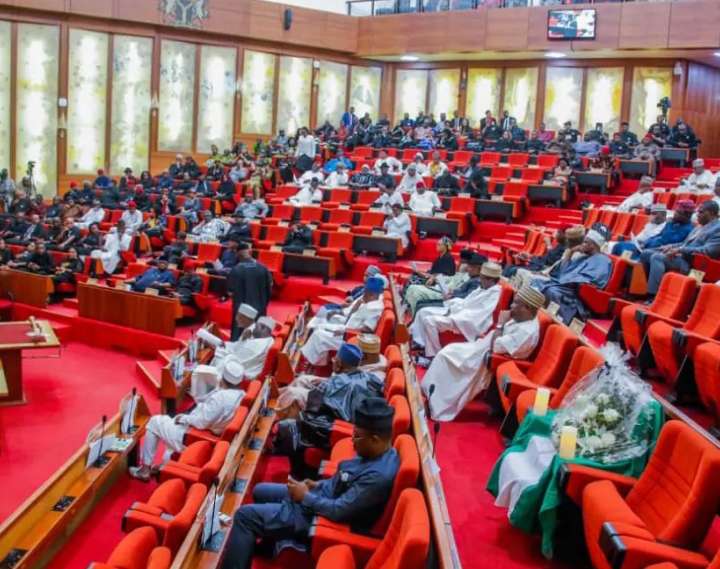
Abuja — When the Nigerian Senate reconvened for Tuesday’s plenary to consider amendments to the Electoral Act ahead of the 2027 general elections, what unfolded inside the red chamber was more than a legislative disagreement. It was an early contest over the architecture of Nigeria’s next transfer of power. At issue were two politically sensitive
2027 General Elections: Inside the Senate’s Dramatic Plenary Over Poll Dates, Electronic Transmission and the Battle for Electoral Certainty
Abuja — In a political environment already saturated with distrust, institutional opacity, and rising public anxiety over the direction of Nigeria’s national security apparatus, few recent claims have unsettled the public sphere as sharply as the allegation by former Kaduna State governor, , that the Office of the National Security Adviser secretly procured a highly