A National Emergency That Continues to Shape Nigeria’s Future
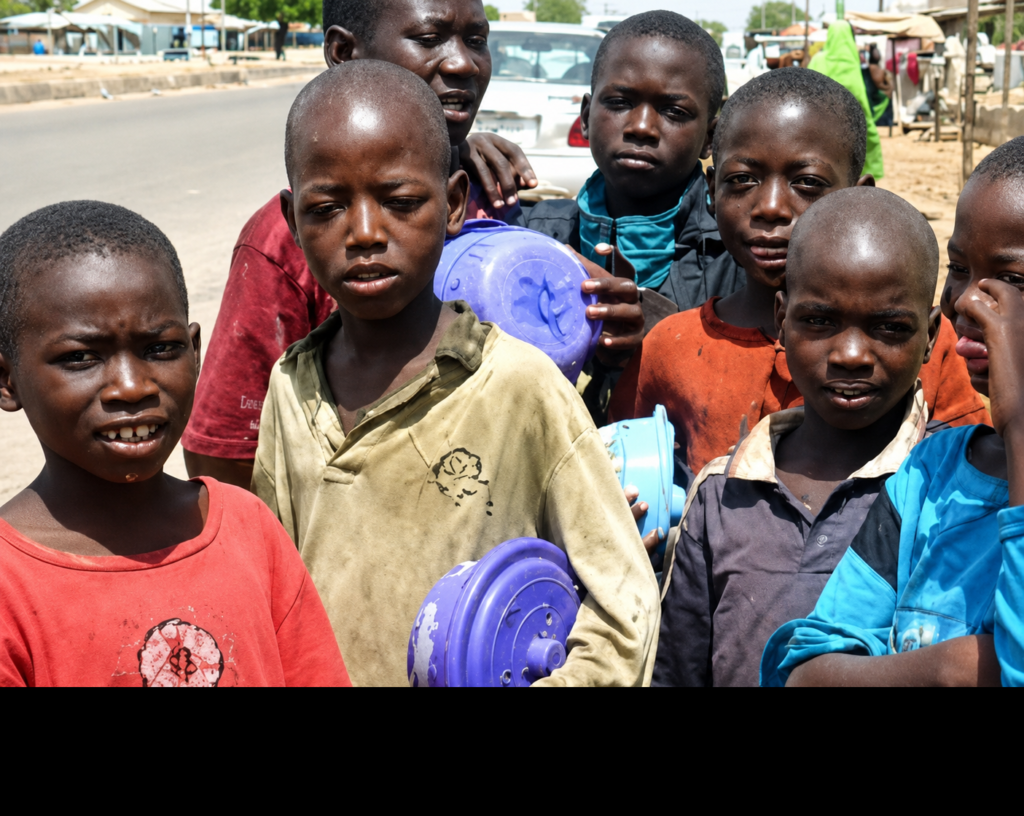
On any weekday morning across Nigeria, millions of children put on their uniforms, shoulder school bags, and head into classrooms filled with the hope of a better future. Yet, for millions of others, the school bell never rings. Instead of learning mathematics, science, literature, or vocational skills, many spend their days working in markets, farms, workshops, or simply wandering communities where access to education remains a distant dream.
Despite years of government reforms, billions of naira allocated to education, intervention programmes by development partners, and constitutional commitments to basic education, Nigeria continues to record one of the world’s largest populations of out-of-school children. The crisis extends beyond education. It has become a national development challenge with profound implications for economic growth, security, public health, social stability, and the country’s future competitiveness.
The persistence of the problem raises uncomfortable questions. Why do millions of Nigerian children remain outside the classroom despite repeated government interventions? What barriers continue to prevent access to quality education? And what will it take to reverse a crisis that has endured for decades?
The answers reveal a complex web of poverty, insecurity, inadequate infrastructure, weak implementation of education policies, social inequalities, and demographic pressures that no single intervention has been able to overcome.
A Crisis Measured in Millions
Publicly available reports from international organisations including UNICEF and UNESCO consistently identify Nigeria as one of the countries with the highest number of children who are not enrolled in school. While different reports provide varying estimates depending on age groups and methodology, the figures collectively point to a crisis affecting millions of children.
Northern Nigeria remains disproportionately affected, although several southern states also struggle with school absenteeism, poor learning outcomes, and children dropping out before completing basic education.
Experts caution that the problem is not limited to children who never enrol. A significant number begin primary education but leave before completing junior secondary school because of financial hardship, insecurity, family responsibilities, child labour, early marriage, disability, or migration.
This means the education challenge extends far beyond enrolment statistics. It includes retention, learning quality, completion rates, and transition into higher levels of education.
Poverty Remains the Biggest Barrier
For countless Nigerian families, education competes with daily survival.
Although public basic education is officially free, parents frequently bear the cost of uniforms, books, transportation, examination fees, learning materials, and informal school levies. For households struggling with inflation, unemployment, and declining purchasing power, these expenses often become unaffordable.
Children are therefore pulled out of school to contribute to family income.
Across rural communities, boys may assist on farms, work in mechanic workshops, or engage in petty trading. Girls often help with domestic work, street vending, caregiving responsibilities, or informal businesses.
For many families, the immediate need to survive outweighs the long-term benefits of education.
Economic hardship has become even more pronounced in recent years as Nigeria continues to grapple with rising food prices and increased living costs, placing additional pressure on vulnerable households.
Insecurity Has Forced Thousands Out of Classrooms
One of the most devastating contributors to Nigeria’s education crisis is insecurity.
Armed conflicts, banditry, insurgency, communal violence, and kidnappings have disrupted learning across several parts of the country.
Schools have been attacked, teachers displaced, and entire communities forced to flee.
Parents fearful for their children’s safety increasingly keep them at home rather than risk sending them to school.
The abduction of students from educational institutions over the past decade has intensified public anxiety and prompted temporary school closures in several affected states.
Even where schools remain open, irregular attendance has become common because of persistent security concerns.
Education experts warn that prolonged school closures create lasting consequences, including learning losses, increased dropout rates, child labour, recruitment into criminal activities, and early marriages.
Weak School Infrastructure Continues to Undermine Learning
In many communities, children eager to learn face another obstacle—the absence of adequate schools.
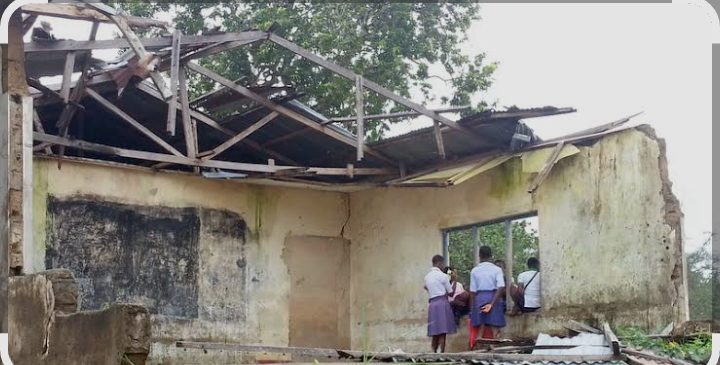
Across parts of Nigeria, classrooms remain overcrowded, dilapidated, or completely unavailable.
Some pupils study under trees.
Others travel long distances on foot to reach the nearest school.
In several rural communities, classrooms lack chairs, desks, electricity, toilets, clean drinking water, libraries, laboratories, and digital learning facilities.
These conditions discourage attendance while making effective teaching increasingly difficult.
Teachers working under such circumstances also face significant challenges in delivering quality education.
Teacher Shortages Affect Learning Outcomes
Even where schools exist, qualified teachers are often in short supply.
Education stakeholders have repeatedly highlighted shortages of trained teachers, particularly in science, mathematics, technology, and special education.
Some schools operate with one teacher handling multiple classes simultaneously.
Others rely heavily on temporary or volunteer teachers who receive limited professional support.
Teacher absenteeism, delayed salary payments, inadequate welfare, and insufficient professional development further weaken learning outcomes.
Without motivated and adequately trained teachers, expanding access alone cannot guarantee quality education.
Cultural and Social Factors Continue to Influence School Attendance
Education experts note that economic challenges alone do not explain Nigeria’s out-of-school crisis.
In some communities, traditional beliefs, early marriage, gender discrimination, and social norms continue to affect educational participation.
Girls remain particularly vulnerable.
Although significant progress has been recorded in expanding girls’ education, many still leave school because of early marriage, teenage pregnancy, domestic responsibilities, or cultural expectations.
Children living with disabilities also face substantial barriers.
Many schools lack accessible infrastructure, trained special education teachers, assistive learning materials, and inclusive teaching methods.
As a result, children with disabilities are frequently excluded from formal education despite existing legal protections.
Rapid Population Growth Has Increased Pressure on Schools
Nigeria has one of the fastest-growing populations in the world.
Every year, millions of school-age children require access to classrooms, teachers, textbooks, and educational infrastructure.
Unfortunately, investment in education has struggled to keep pace with demographic expansion.
Existing schools become overcrowded while governments face increasing pressure to build additional classrooms, recruit more teachers, and improve learning resources.
Without sustained investment, population growth continues to outpace educational expansion.
Government Interventions Have Produced Mixed Results
Successive Nigerian governments have introduced numerous programmes aimed at expanding educational access.
The Universal Basic Education programme seeks to provide free and compulsory education for children of primary and junior secondary school age.
The Universal Basic Education Commission (UBEC) continues to support states through intervention funding for classroom construction, teacher development, instructional materials, and other educational projects.
Federal and state governments have also implemented school feeding initiatives, conditional cash transfer programmes, scholarship schemes, teacher recruitment exercises, and campaigns promoting girls’ education.
Development partners including UNICEF, UNESCO, the World Bank, and various international organisations have collaborated with Nigerian authorities to strengthen educational systems through technical assistance, funding, and community-based programmes.
These interventions have delivered measurable improvements in several areas, including increased enrolment in some states, improved school infrastructure, enhanced teacher training, and expanded public awareness of the importance of education.
However, implementation challenges continue to limit overall impact.
Why Many Interventions Fall Short
Education analysts point to several recurring obstacles.
Funding allocated to education often falls below the level many experts consider necessary to meet Nigeria’s enormous educational needs.
In some instances, available intervention funds remain unaccessed because states fail to meet counterpart funding requirements or administrative conditions.
Project delays, procurement challenges, maintenance deficiencies, and governance concerns further reduce the effectiveness of some programmes.
Policies introduced at the federal level also require effective implementation by state and local governments, creating coordination challenges across Nigeria’s federal structure.
Monitoring and evaluation systems are improving but still face limitations in ensuring accountability for education spending.
The Human Cost Behind the Statistics
Behind every national statistic is a child whose future becomes increasingly uncertain.
Children who remain outside school face higher risks of child labour, exploitation, trafficking, forced marriage, poor health outcomes, unemployment, and lifelong poverty.
Many lose opportunities to develop literacy, digital skills, critical thinking, and vocational competencies needed in a rapidly changing global economy.
Communities equally suffer from lower productivity, weaker civic participation, and reduced economic opportunities.
Education experts consistently describe schooling as one of the most effective long-term investments for breaking intergenerational poverty.
When children miss that opportunity, the consequences often extend across generations.
Economic Consequences for Nigeria
The education crisis carries enormous economic implications.
A workforce lacking adequate education limits national productivity, innovation, industrial competitiveness, and technological advancement.
Businesses face difficulties recruiting workers with required skills.
Government revenue growth slows because lower educational attainment frequently translates into reduced earnings and employment opportunities.
Economists have repeatedly argued that sustained investment in education yields significant long-term economic returns through higher productivity, improved public health, reduced crime, increased entrepreneurship, and stronger institutions.
For Africa’s largest economy, improving educational access is therefore not merely a social objective but an economic necessity.
Communities Are Finding Local Solutions
Across Nigeria, encouraging examples of community-driven education initiatives continue to emerge.
Traditional rulers, religious organisations, civil society groups, women’s associations, youth organisations, and private foundations increasingly support school enrolment campaigns, scholarship programmes, classroom renovations, and teacher support initiatives.
Some communities organise volunteer teaching programmes where teacher shortages exist.
Others provide learning materials, bicycles for rural pupils, sanitary products for girls, or financial support for vulnerable families.
These local initiatives demonstrate that improving educational access requires collective responsibility beyond government intervention alone.
Technology Offers New Opportunities
Digital technology is gradually transforming education across Nigeria.
Online learning platforms, educational television, radio instruction, mobile applications, and virtual classrooms have expanded access to learning resources, particularly following disruptions experienced during the COVID-19 pandemic.
However, significant digital divides remain.
Many rural communities still lack reliable electricity, internet connectivity, smartphones, computers, and affordable data services.
Bridging this digital gap will be essential if technology is to become a meaningful solution for expanding educational access nationwide.
What Experts Say Must Change
Education specialists broadly agree that lasting progress requires sustained political commitment rather than isolated interventions.
Reducing poverty through inclusive economic growth can help families keep children in school.
Improving school security will rebuild public confidence.
Greater investment in teacher recruitment, training, and welfare can improve learning quality.
Expanding school infrastructure, strengthening accountability for education spending, improving data collection, supporting children with disabilities, addressing gender disparities, and encouraging stronger community participation remain central to long-term reform efforts.
Experts also emphasise the importance of early childhood education, vocational skills development, and partnerships between governments, development agencies, civil society organisations, and the private sector.
A Defining Test for Nigeria’s Future
Education remains one of the strongest foundations upon which nations build prosperity, innovation, and social cohesion.
Nigeria possesses one of Africa’s youngest populations—a demographic advantage that could drive remarkable economic transformation if supported by quality education.
Yet millions of children remain excluded from that opportunity.
Government interventions have undoubtedly produced progress in many communities, but the persistence of large numbers of out-of-school children demonstrates that deeper structural challenges continue to undermine educational access.
Addressing poverty, insecurity, infrastructure deficits, teacher shortages, gender inequality, and implementation weaknesses will require sustained commitment extending beyond electoral cycles.
The future of Nigeria’s economy, democracy, and social stability will depend significantly on whether today’s children receive the education necessary to realise their potential.
Ensuring that every Nigerian child has access to safe, inclusive, and quality education is more than an educational objective. It is a national imperative whose success will shape the country’s development for generations to come.
About the Author
Smart Chuks is an investigative journalist and publisher at SaharaNews247, where he covers education, public policy, governance, security, business, and national development. He specializes in producing in-depth, fact-based reports and analyses that explain complex issues affecting Nigeria and the wider African continent. His work is guided by a commitment to accuracy, balanced reporting, and public-interest journalism, with a focus on delivering original, high-quality content that informs readers and contributes meaningfully to public discourse.