
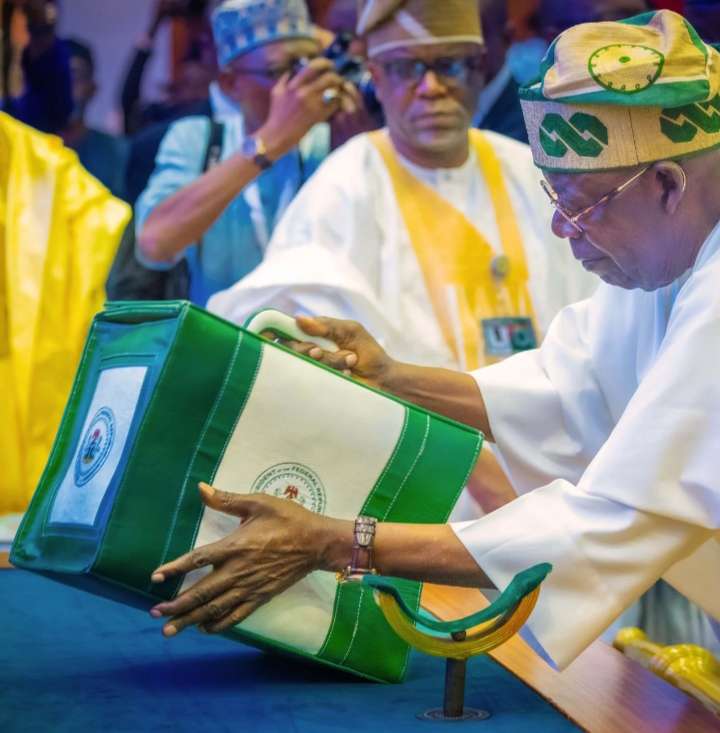
Nigeria’s 2026 budget will not simply be another government spending document debated in Abuja before fading from public attention. For millions of households already struggling with rising food prices, high transport costs, inflationary pressures, and uncertain incomes, the federal budget will directly shape how much families spend at the market, whether businesses can expand, and whether young people can realistically expect new employment opportunities.
Although budget proposals are often discussed in terms of trillions of naira and complex fiscal projections, their true significance lies in their impact on everyday life. Decisions about government borrowing, capital projects, social interventions, taxation, and public sector spending ultimately affect the cost of living, business confidence, investment flows, and the pace of economic growth.
For ordinary Nigerians, the most important questions are straightforward: Will prices come down? Will there be more jobs? Will electricity and transport become more affordable? Can small businesses survive rising operational costs? And will the government’s spending priorities translate into meaningful improvements in living standards?
These questions have become even more urgent after a period marked by sweeping economic reforms, including the removal of petrol subsidies, exchange-rate liberalisation, and efforts by the Federal Government to increase revenue collection while reducing fiscal pressures. While policymakers argue that these reforms are necessary to restore long-term economic stability, many citizens are more concerned with their immediate consequences.
As Nigeria prepares for the implementation of its 2026 fiscal plans, the budget is expected to serve as both an economic roadmap and a political statement, revealing the government’s priorities amid persistent inflation, security challenges, infrastructure deficits, and growing demands for social protection.
Why the 2026 Budget Matters More Than Previous Fiscal Plans
Every national budget reflects a government’s assessment of the economy and its strategy for addressing current challenges. However, the 2026 budget carries additional significance because it arrives during a period of economic adjustment and structural reform.
In recent years, Nigeria has pursued policies aimed at reducing fiscal distortions and attracting investment. Authorities have defended these measures as necessary to strengthen public finances and reduce the burden of costly subsidies. Yet the transition has also contributed to higher transportation costs, increased production expenses, and elevated prices for essential goods and services.
The 2026 budget is therefore expected to balance two competing objectives. On one hand, the government faces pressure to maintain fiscal discipline by limiting deficits and improving revenue mobilisation. On the other, it must respond to public concerns over inflation, unemployment, and declining purchasing power.
Economists note that the effectiveness of any budget depends not only on the amount allocated to various sectors but also on implementation, transparency, and the ability of institutions to deliver projects efficiently. Historically, Nigeria has faced challenges with budget execution, delayed releases of capital funds, and incomplete infrastructure projects, issues that have often reduced the intended economic impact of public spending.
For citizens, the practical question is not merely how much the government plans to spend but whether those expenditures will produce visible improvements in roads, schools, healthcare facilities, energy infrastructure, and employment opportunities.
The Link Between the Budget and Rising Prices
One of the most immediate ways the 2026 budget will affect Nigerians is through its influence on inflation and the overall cost of living.
Budgetary decisions influence inflation through several channels. Large fiscal deficits financed by borrowing can increase liquidity pressures in the economy. Government spending on infrastructure and public services can stimulate economic activity, but if not matched by corresponding increases in production, demand may outpace supply, pushing prices higher.
Food inflation remains one of the greatest concerns for Nigerian households. Rising insecurity in farming communities, climate-related disruptions, transportation costs, and currency fluctuations have all contributed to increased food prices. If the 2026 budget prioritises agricultural support, rural security, storage infrastructure, and logistics improvements, it could help stabilise food supplies over time.
However, any positive effects are unlikely to be immediate. Agricultural investments typically require several planting cycles before measurable gains become visible. In the short term, households may continue to face elevated food prices unless broader inflationary pressures ease.
Energy costs also remain a significant factor. Businesses and households increasingly rely on alternative power sources due to electricity supply challenges. Budget allocations to the power sector, transmission infrastructure, and energy reforms could influence electricity reliability, reducing dependence on expensive generators and helping lower operational costs for businesses.
For transport operators, traders, and consumers, government decisions affecting road infrastructure and fuel market stability will continue to shape the prices of goods and services across the country.
Can the 2026 Budget Create More Jobs?
Employment remains one of the most critical issues facing Nigeria’s economy. With a rapidly growing population and a large youth demographic, the challenge extends beyond reducing unemployment to creating sustainable, productive work opportunities.
Government budgets influence employment in both direct and indirect ways. Directly, public sector recruitment in education, healthcare, security, and infrastructure projects can create jobs. Indirectly, government spending on roads, rail, energy, and digital infrastructure can encourage private sector investment, which in turn supports employment growth.
Large-scale capital projects often generate demand for engineers, artisans, transport workers, suppliers, and service providers. When effectively implemented, these projects create multiplier effects throughout the economy, supporting local businesses and stimulating consumption.
However, analysts frequently caution that government spending alone cannot solve Nigeria’s employment challenge. Sustainable job creation depends heavily on the private sector, which requires a stable macroeconomic environment, reliable electricity, access to finance, predictable regulations, and improved security conditions.
If the 2026 budget succeeds in reducing uncertainty and improving investor confidence, sectors such as manufacturing, agriculture, construction, technology, and logistics could expand their workforce. Conversely, if inflation remains elevated and businesses continue to struggle with high operating costs, employment growth may remain constrained despite increased government spending.
The technology and digital services sectors may also receive attention as Nigeria seeks to diversify its economy. Investments in broadband infrastructure, digital education, and innovation ecosystems could help create opportunities for young entrepreneurs and remote workers participating in the global digital economy.
What It Means for Small Businesses and Entrepreneurs
Small and medium-sized enterprises (SMEs) account for a significant share of Nigeria’s economic activity and employment. Yet these businesses often operate under difficult conditions, including limited access to affordable credit, inconsistent power supply, multiple taxation concerns, and rising operational costs.
For many entrepreneurs, the impact of the 2026 budget will be measured by whether it makes running a business easier or more difficult.
Access to finance remains a major obstacle. If government-backed credit schemes, intervention funds, or guarantees for small businesses receive stronger support, SMEs could benefit from improved access to working capital and expansion funding. At the same time, commercial lending conditions will continue to depend on monetary policy and prevailing interest rates.
Infrastructure spending is equally important. Better roads reduce transportation costs, while improvements in electricity supply lower the expenses associated with generator use and fuel purchases. Investments in digital infrastructure can also help small businesses reach wider markets through e-commerce and online services.
Tax policy will be another area to watch. Business groups have consistently argued that overlapping taxes and levies from different tiers of government create an unnecessary burden on enterprises. Although the federal budget cannot directly resolve all such issues, broader tax reforms and improved coordination between government agencies could help reduce compliance costs.
For traders, artisans, and informal sector operators, stability may be as important as direct financial support. Predictable exchange rates, lower inflation, and improved infrastructure can create a more favourable environment for investment and business planning.
Agriculture, Food Security, and Household Spending
Agriculture remains central to both Nigeria’s economy and household welfare. Millions of Nigerians depend directly or indirectly on farming, while food expenditures account for a substantial portion of family budgets.
The success of the 2026 budget in supporting agriculture could have far-reaching consequences for inflation, rural incomes, and national food security.
Key areas likely to influence outcomes include investments in irrigation systems, rural roads, storage facilities, mechanisation, research and extension services, and security operations aimed at protecting farming communities. Improved logistics can reduce post-harvest losses, while better access to markets helps farmers earn more stable incomes.
Nevertheless, structural challenges remain. Climate variability, flooding, desertification, and insecurity continue to affect agricultural production across different regions. Budgetary allocations alone cannot resolve these issues unless accompanied by effective implementation and institutional coordination.
For urban consumers, improvements in agricultural productivity could gradually moderate food prices. For rural communities, increased investment may support livelihoods and reduce poverty, particularly if programmes are designed to strengthen local value chains rather than focusing solely on raw commodity production.
Infrastructure Spending and Its Everyday Impact
Infrastructure rarely dominates public debate outside budget presentations, yet it shapes nearly every aspect of economic life.
Roads determine transport costs. Electricity affects business productivity. Rail networks influence logistics efficiency. Water systems affect public health. Digital infrastructure supports commerce, education, and communication.
If the 2026 budget channels substantial resources into capital projects and those projects are executed effectively, the benefits could extend beyond construction jobs. Lower transportation costs can reduce the price of goods. Better roads improve access to markets for farmers and traders. Enhanced electricity infrastructure can lower production costs for manufacturers.
The challenge, however, lies in implementation. Nigeria’s history of delayed procurement processes, funding bottlenecks, and abandoned projects has often limited the transformative potential of infrastructure spending. Budget allocations alone do not guarantee outcomes; institutional capacity and accountability mechanisms remain equally important.
Citizens and civil society organisations are increasingly calling for greater transparency in project selection, contract awards, and implementation timelines to ensure that public funds produce measurable improvements.
The Role of Government Borrowing and Public Debt
Another important issue linked to the 2026 budget is government borrowing.
Most modern economies use borrowing to finance development projects and manage fiscal gaps. However, concerns arise when debt servicing consumes a large share of government revenue, reducing the funds available for education, healthcare, infrastructure, and social services.
Nigeria’s fiscal authorities have consistently argued that borrowing should support productive investments capable of generating long-term economic returns. Critics, however, warn that excessive reliance on debt could constrain future budgets and increase financial vulnerabilities.
For ordinary citizens, public debt may appear distant, but its effects are tangible. Higher debt servicing obligations can limit spending on essential services or increase pressure for additional revenue measures. Conversely, well-managed borrowing used to finance productive infrastructure can stimulate growth and improve living standards over time.
The 2026 budget’s approach to balancing borrowing, revenue generation, and expenditure priorities will therefore be closely watched by investors, development partners, and domestic stakeholders.
Social Protection and Support for Vulnerable Nigerians
Economic reforms often create adjustment costs, particularly for low-income households. Social protection programmes are designed to cushion these effects by supporting vulnerable populations during periods of economic transition.
The 2026 budget is expected to continue funding interventions in areas such as education, healthcare, agricultural support, and targeted assistance programmes. The effectiveness of these initiatives, however, depends heavily on transparency, accurate beneficiary identification, and efficient delivery systems.
Public debates around social intervention programmes frequently centre on concerns over coverage, accountability, and long-term sustainability. Supporters argue that such programmes provide essential relief for struggling households, while critics call for stronger monitoring mechanisms to ensure resources reach intended beneficiaries.
In the broader context, economists often emphasise that social protection should complement, rather than replace, policies aimed at expanding productive employment and economic opportunity.
What Businesses and Investors Will Be Watching
The business community will evaluate the 2026 budget through the lens of predictability and policy consistency.
Domestic and foreign investors typically seek stable regulations, transparent tax frameworks, manageable inflation, and credible fiscal management. Sudden policy shifts or implementation uncertainties can discourage investment, regardless of the scale of government spending.
Manufacturers will pay close attention to energy and infrastructure allocations. Financial institutions will monitor borrowing plans and deficit projections. Agricultural investors will assess commitments to rural development and food security. Technology firms will look for investments in digital infrastructure and innovation.
A budget that reinforces confidence in economic management may encourage private capital flows, while one perceived as fiscally unsustainable could increase caution among investors.
Beyond the Numbers: What Most Budget Discussions Miss
Public debates often focus on the size of the budget, headline allocations, or political disagreements surrounding spending priorities. Yet the most important issue may be institutional effectiveness.
Nigeria has repeatedly produced ambitious fiscal plans, but implementation gaps have frequently reduced their impact. Delays in fund releases, procurement challenges, weak monitoring systems, and governance concerns have limited the benefits of public expenditure.
The 2026 budget therefore represents not only a financial document but also a test of institutional capacity. It raises broader questions about public accountability, fiscal transparency, and the relationship between policy promises and real-world outcomes.
The experience of previous budgets suggests that citizens, businesses, and civil society organisations may increasingly judge success not by announcements but by measurable improvements in roads, schools, healthcare services, electricity supply, and employment opportunities.
What Happens Next?
Following the presentation and legislative consideration of the budget, lawmakers will scrutinise sectoral allocations, revenue assumptions, borrowing plans, and expenditure priorities before final approval. The National Assembly’s review process may lead to adjustments, amendments, or additional oversight provisions.
Once enacted, attention will shift toward implementation. Ministries, departments, and agencies will be responsible for executing projects and programmes in line with approved appropriations. Monitoring by oversight institutions, development partners, civil society groups, and the media will play a critical role in tracking progress.
The coming months will also reveal whether broader macroeconomic conditions—including inflation trends, exchange-rate stability, global oil market developments, and domestic revenue performance—support or complicate the budget’s objectives.
Ultimately, the success of the 2026 budget will not be determined solely by fiscal projections or official announcements. It will be measured by whether families experience relief from rising living costs, whether businesses can expand with greater confidence, and whether young Nigerians see tangible opportunities for employment and entrepreneurship.
Why the 2026 Budget Is a National Test
Nigeria’s 2026 budget arrives at a pivotal moment for the country’s economy. It follows a period of significant reform, heightened public expectations, and ongoing debates over the balance between fiscal discipline and social welfare.
For ordinary citizens, the budget is more than a government accounting exercise. It influences the affordability of food, the availability of jobs, the viability of small businesses, and the quality of public services. It also reflects broader questions about governance, institutional performance, and the capacity of the state to convert public resources into measurable improvements in people’s lives.
Whether the budget ultimately succeeds will depend on a combination of sound policy design, transparent implementation, and sustained accountability. The broader lesson is that economic recovery is not achieved through spending alone but through the credibility of institutions and the effectiveness with which public resources are managed.
As Nigeria navigates a complex domestic and global economic environment, the 2026 budget will stand as an important indicator of the country’s ability to translate ambitious fiscal plans into inclusive growth, stronger public trust, and lasting national development. For millions of Nigerians, the outcome will be judged not in policy documents or budget speeches, but in the realities of everyday life—at the market, in the workplace, and across the country’s countless small businesses that remain the backbone of the economy.
About the Author
Smart Chuks is an investigative journalist and policy-focused writer at SaharaNews247, covering Nigerian politics, governance, security, economic developments, public accountability, institutional reform, and international affairs with a focus on transparency, evidence-based reporting, and public interest journalism.

