A Nation in Transition: The Quiet Redrawing of Political Power
Nigeria’s march toward the 2027 general elections has already begun—long before campaign posters return to the streets or party primaries dominate the headlines. Beneath the surface of governance, a deeper and more consequential process is underway: a sweeping political realignment that could redefine the balance of power in Africa’s largest democracy.
This is not routine pre-election maneuvering. It is a structural recalibration driven by shifting alliances, internal party tensions, economic pressures, and a restless electorate demanding accountability. Political actors are repositioning, coalitions are being quietly negotiated, and defections are reshaping party identities.
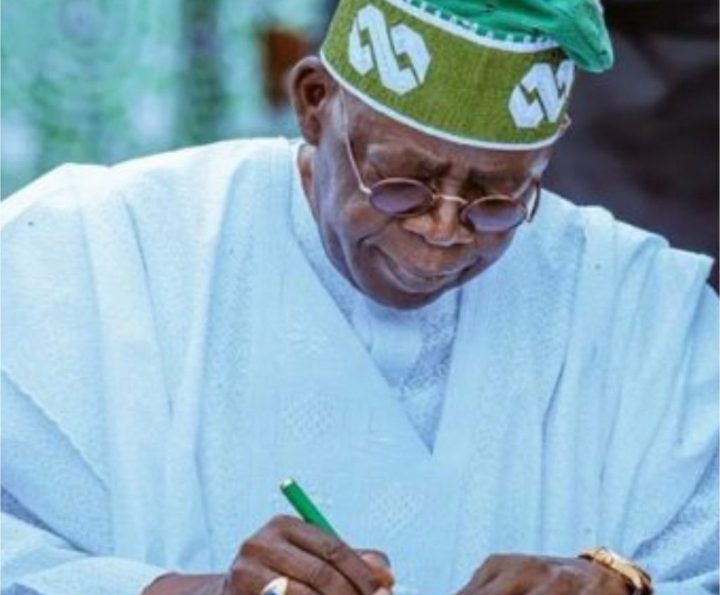
At the center of this evolving contest are key figures, including President Bola Tinubu, whose administration faces mounting scrutiny over economic reforms and governance outcomes, and opposition voices such as Peter Obi and Atiku Abubakar, who continue to influence the trajectory of alternative political movements.
The stakes are high. The decisions made in this period will not only determine electoral outcomes in 2027—they will shape the future direction of Nigeria’s democracy.
The 2023 Election Fallout: A Fragmented Mandate
The roots of the current realignment lie in the aftermath of the 2023 general elections—an electoral cycle that exposed deep fractures within Nigeria’s political system.
Official data from the Independent National Electoral Commission (INEC) showed that voter turnout hovered around 27 percent, one of the lowest in Nigeria’s democratic history. This statistic alone revealed a troubling disconnect between the political class and the electorate.
The presidential race produced a three-way contest that disrupted the traditional dominance of the two major parties. The emergence of a strong third force reshaped voting patterns, particularly in urban centers and among younger voters. For many Nigerians, the election was less about party loyalty and more about a search for credible alternatives.
Yet the aftermath was marked by legal disputes, allegations of irregularities, and lingering public skepticism. Court rulings that upheld the election results did little to fully resolve concerns about transparency and institutional trust, further deepening Nigeria’s growing judicial credibility crisis.
This fragmented mandate created fertile ground for political recalibration. With no overwhelming consensus, parties and power brokers have been forced to rethink their strategies ahead of 2027.
Governing Under Pressure: The APC’s Balancing Act
For the ruling All Progressives Congress (APC), the immediate priority after 2023 was consolidation—retaining control of federal power while managing internal expectations. But consolidation has proven more complex than anticipated.
Nigeria’s worsening economic hardship has intensified political pressure. Data from the indicates that inflation has remained persistently high, driven by rising food prices, currency volatility, and the removal of fuel subsidies. The naira’s depreciation against major currencies has further strained purchasing power, affecting households and businesses alike.
These economic challenges have direct political consequences. Public perception of governance is increasingly tied to everyday survival—fuel costs, food prices, and job opportunities. As these pressures mount, the ruling party must balance policy decisions with political optics.
Internally, the APC faces its own complexities. Regional power blocs continue to negotiate influence, while emerging political figures position themselves for future leadership roles. Conversations about succession—though unofficial—are already shaping internal dynamics.
Maintaining unity within such a diverse coalition will be critical. History suggests that internal fractures, if left unresolved, can lead to defections that weaken party dominance.
Opposition at a Crossroads: Fragmentation or Coalition?
If the ruling party’s challenge is internal cohesion, the opposition faces a more fundamental question: whether to remain fragmented or pursue a unified front capable of mounting a credible challenge.
The Peoples Democratic Party (PDP), once Nigeria’s dominant political force, continues to grapple with internal divisions. Leadership disputes and regional disagreements have undermined its ability to present a cohesive national strategy.
At the same time, the Labour Party’s rise in 2023 introduced a new dimension to opposition politics. Its support base—largely driven by youth engagement and urban voters—demonstrated the potential for alternative political movements to disrupt established structures. However, translating that momentum into a sustainable party system remains an ongoing challenge.
This has led to renewed discussions around ADC–PDP coalition negotiations ahead of 2027. Political actors across opposition lines are increasingly exploring alliances that could consolidate votes and resources. The logic is clear: a divided opposition risks repeating the fragmentation that benefited the ruling party in 2023.
Yet coalition politics in Nigeria is historically fragile. Personal ambitions, ideological inconsistencies, and trust deficits often derail such efforts. The success of any coalition will depend on whether political leaders can prioritize collective strategy over individual interests.
Defections and Political Fluidity: Loyalty Redefined
High-profile defections reshaping party structures are once again reshaping Nigeria’s political landscape, reflecting a system where allegiance is often driven by strategic calculation rather than ideology.
Across party lines, politicians are reassessing their positions based on evolving power dynamics. For many, the decision to switch parties is influenced by access to resources, electoral viability, and alignment with dominant political forces.
Recent movements of high-profile figures between parties underscore this fluidity. These shifts are rarely isolated; they often trigger broader realignments at state and local levels, altering the balance of power in key regions.
Defections also serve as early indicators of political trends. When influential actors reposition themselves, they signal where momentum may be building ahead of elections. In this sense, defections are not merely individual choices—they are reflections of deeper systemic changes.
Regional Dynamics: The Invisible Framework of Power
Nigeria’s political calculations remain deeply influenced by regional considerations. The informal principle of zoning—balancing power among regions—continues to shape political negotiations, even without constitutional backing.
The North retains significant electoral weight due to its population size, making it a critical battleground in any national election. The South-West, historically influential in shaping political alliances, remains central to coalition strategies. The South-East’s calls for restructuring and regional autonomy have intensified, reflecting longstanding grievances about political representation. Meanwhile, the South-South’s economic importance ensures its continued relevance in national decision-making.
These regional dynamics are not static. They evolve in response to shifting alliances, demographic changes, and political developments. Any party seeking success in 2027 must navigate this complex landscape with strategic precision.
Money, Machinery, and the Mechanics of Elections
Elections in Nigeria are shaped not only by ideas but also by resources. Campaign financing, grassroots mobilization, and institutional influence play decisive roles in determining outcomes.
Political parties invest heavily in building structures that can mobilize voters across diverse constituencies. Access to funding influences everything from campaign visibility to voter outreach.
However, the traditional dominance of financial power is gradually being challenged. The rise of Nigeria’s expanding digital political ecosystem and grassroots activism is creating new pathways for political participation. Social media platforms have become powerful tools for shaping narratives, mobilizing supporters, and holding leaders accountable.
This evolving landscape suggests that while money remains a critical factor, it is no longer the sole determinant of electoral success.
Youth and Digital Politics: A Transformative Force
One of the most significant shifts in Nigeria’s political environment is the growing influence of young voters. With a median age of around 18, Nigeria’s population is overwhelmingly youthful, and this demographic is increasingly asserting its voice in political discourse.
The 2023 elections demonstrated the potential of youth-driven movements to reshape electoral outcomes. Youth-driven online political mobilization enabled unprecedented levels of engagement, allowing candidates to connect directly with voters and bypass traditional gatekeepers.
Yet this transformation comes with challenges. Misinformation, online polarization, and rapid narrative shifts complicate political communication. Navigating this digital terrain requires strategic messaging and credibility.
For political actors, engaging young voters is no longer optional—it is essential. The ability to address their concerns, from unemployment to governance transparency, will be a defining factor in 2027.
Governance and Public Sentiment: The Deciding Factor
Ultimately, political realignment is shaped by governance outcomes. Economic performance, security conditions, and institutional effectiveness influence how voters perceive leadership.
Nigeria’s escalating insecurity crisis – from banditry to insurgency—remain central to national discourse. Public confidence in the government’s ability to address these issues will significantly impact electoral dynamics.
At the same time, economic realities continue to dominate daily life. Rising costs of living, limited job opportunities, and currency instability affect millions of Nigerians. These experiences shape political attitudes more than campaign promises.
Public sentiment is fluid. It responds to tangible outcomes rather than rhetoric. For the ruling party, delivering measurable improvements could strengthen its position. For the opposition, highlighting governance gaps presents an opportunity to gain traction.
What This Means for Ordinary Nigerians
Beyond political strategy and elite negotiations, the unfolding realignment carries real implications for everyday Nigerians.
For many citizens, politics is inseparable from survival. Decisions made in Abuja influence the price of food in local markets, the cost of transportation, and access to basic services. As parties reposition and alliances shift, the critical question remains whether these changes will translate into improved living conditions.
Voter behavior is also evolving. The rise of issue-based voting—though still emerging—signals a shift toward more informed political participation.
However, challenges persist. Voter apathy, driven by disillusionment and distrust, remains a concern. Rebuilding confidence in the electoral process will be essential to ensuring meaningful participation in 2027.
Scenarios for 2027: Paths to Power
As Nigeria moves closer to the next election cycle, several scenarios are taking shape.
One possibility is the consolidation of the Tinubu’s expanding presidential power structure, supported by strategic alliances and governance outcomes that resonate with voters. Another is the emergence of a broad opposition coalition capable of presenting a unified alternative.
There is also the potential for continued fragmentation, with multiple parties competing independently and splitting votes. Such a scenario could produce unpredictable outcomes, reshaping the political map in unexpected ways.
Each scenario carries implications for governance, stability, and democratic development.
Conclusion: A Defining Moment for Nigeria’s Democracy
Nigeria stands at a pivotal moment. The political realignment currently unfolding is not merely about positioning for the next election—it is about redefining the structure and direction of the country’s democracy.
Coalitions, defections, and strategic recalibrations will continue to shape the landscape. Yet the ultimate outcome will depend on a combination of leadership decisions, institutional integrity, and public engagement.
For voters, the challenge is to navigate an increasingly complex political environment with informed judgment. For political actors, the task is to build credible pathways to power that address the realities faced by citizens.
As 2027 approaches, one reality is clear: Nigeria’s political future is being negotiated in real time, and the choices made today will echo far beyond the ballot box.
Author Bio:
Smart Chuks is an investigative journalist and political analyst with SaharaNews247, specializing in governance, security, and economic policy reporting across Nigeria and West Africa. His work focuses on uncovering the deeper forces shaping political and economic realities.