Introduction
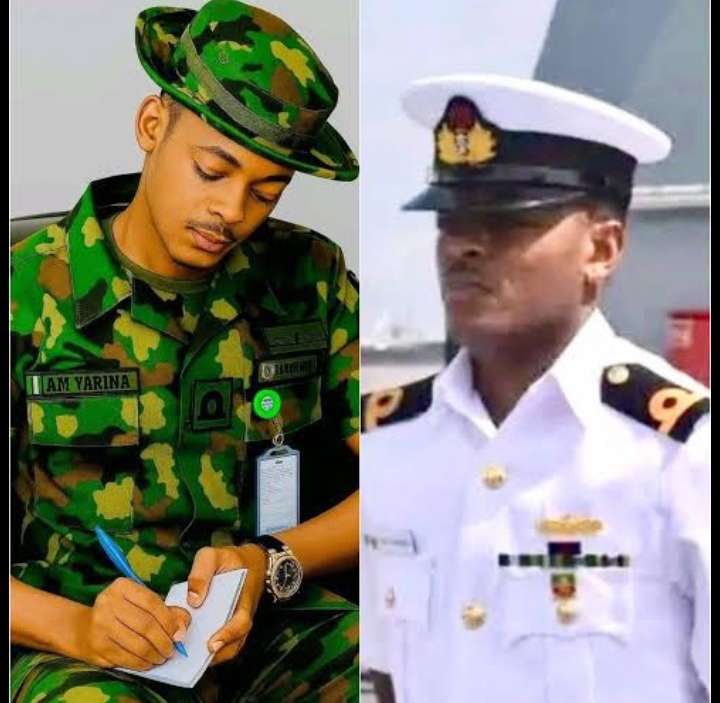
In a dramatic development that has captured national attention, Lieutenant A.M. Yerima, a Nigerian Navy officer, reportedly escaped an assassination attempt in Abuja on the evening of Sunday, November 16, 2025. Military sources say the attack involved two unmarked vehicles and men dressed in black, who trailed the officer along a major highway in the Federal Capital Territory.
This incident comes just days after Lt. Yerima’s widely publicized confrontation with FCT Minister Nyesom Wike during a controversial demolition exercise in Gaduwa District. The timing and circumstances have sparked intense public debate, raising urgent questions about the security of military personnel, political interference, and Nigeria’s broader civil-military relations.
This article provides a comprehensive, fact-based account of the incident, explores potential motives, analyzes past patterns of political intimidation, and evaluates the implications for Nigeria’s governance and national securi
The Incident: What Happened
Timeline of the Alleged Attack
According to military sources, at approximately 6:30 p.m., Lt. Yerima was reportedly followed by two unmarked Toyota Hilux vehicles while driving along the Line (Kubwa) Expressway after leaving a NIPCO filling station. The assailants were dressed in black and driving without license plates, a tactic often associated with covert operations.
Sensing danger, Lt. Yerima allegedly executed a strategic maneuver that allowed him to evade the vehicles along the route to Gado Nasco Way. Following the incident, he reported the suspicious activity to military authorities, and an investigation was launched.
The specifics of the attempted attack remain unclear, as key details are being withheld to protect the integrity of the investigation. Military sources suggest that the prompt response and vigilance of Lt. Yerima prevented what could have been a catastrophic outcome.
Context: The Confrontation with Minister Wike
The alleged assassination attempt closely follows Lt. Yerima’s confrontation with FCT Minister Nyesom Wike, which occurred during a demolition exercise in Gaduwa District. Minister Wike attempted to access a disputed plot of land, leading to a direct clash with the naval officer. The confrontation was recorded and circulated widely on social media, quickly going viral.
Public reaction was overwhelmingly supportive of Lt. Yerima, with citizens praising his courage and professionalism. In response to public outrage, the Presidency temporarily halted the demolition exercise, citing security and procedural concerns.
This incident sparked debates over the role of military officers in civil matters, the limits of political authority, and the protection of lawfully acting security personnel.
Conflicting Reports
Adding complexity to the narrative, the FCT Police Command denied that any assassination attempt took place. Spokesperson SP Josephine Adeh stated that “no such incident has been reported or recorded anywhere within the Federal Capital Territory” and cautioned the public against spreading unverified information.
This contradiction raises several possibilities. The alleged assassination attempt may have been misreported or exaggerated, or the police may be managing public perception to prevent panic. Regardless, the conflicting accounts highlight the challenge of verifying events in high-stakes political and security environments.
Profile: Lt. A.M. Yerima
Understanding the officer at the center of the incident provides context for why this confrontation—and alleged assassination attempt—has drawn national attention.
Military Background: Lt. Yerima is a decorated officer in the Nigerian Navy, known for his discipline and commitment to operational integrity.
Public Recognition: He became widely recognized following the Gaduwa demolition incident, which positioned him as a symbol of military professionalism in the face of political pressure.
Advocacy for Protocol: Yerima has been vocal about maintaining military protocol, the rule of law, and the protection of officers from undue political influence.
His rising prominence may have made him a target for intimidation, especially in politically sensitive areas.
Potential Motives Behind the Alleged Attack
Retaliation for Confrontation with Minister Wike
The most immediate theory is that the alleged attack was retaliatory, aimed at punishing Lt. Yerima for standing up to a politically powerful figure. Political retaliation against security personnel has historical precedent in Nigeria, particularly in cases where officers enforce the law without favoring powerful individuals.
Political Intimidation
Beyond personal retaliation, the incident could serve as a warning to other officers not to obstruct politically influential figures. Demonstrating that disobedience to political power could have personal consequences risks undermining military authority and operational independence.
Disinformation or Narrative Manipulation
The police denial introduces the possibility that parts of the report are misinformation or media exaggeration. Conflicting narratives can destabilize public trust in both security agencies and government institutions.
Internal Military or Security Disputes
Less documented but possible is the idea that internal rivalries within security agencies motivated the attack. These could involve competition for promotions, influence, or political favoritism, though no confirmed evidence has surfaced.
Historical Context: Civil-Military Tensions in Nigeria
Incidents like the alleged assassination attempt are not entirely unprecedented. Historically:
Military officers in Nigeria have occasionally been caught in political crossfires, especially during land disputes or anti-corruption enforcement.
Confrontations between politicians and law enforcement sometimes escalate into threats or attacks.
These patterns highlight the fragility of civil-military relations and the need for institutional safeguards.
Broader Implications
Civil-Military Relations
The incident underscores tension between political authority and military duty. Officers may feel reluctant to act independently, fearing retaliation or political targeting. This could affect morale and operational effectiveness across Nigeria’s security services.
Governance and Rule of Law
Transparent investigations are essential to maintain accountability. Political interference in law enforcement or military operations undermines public confidence in institutions. Protection for officers must be legally codified, with clear protocols for politically sensitive engagements.
National Security
If proven, the use of unmarked vehicles and covert tactics indicates a high level of organization behind potential political violence. Such acts could embolden others to resort to extra-legal measures. Public perception of targeted violence against officers can polarize factions and destabilize communities.
Lessons and Recommendations
Independent Oversight: An independent body should investigate the incident to ensure credibility and impartiality.
Enhanced Officer Protection: Military and security agencies should review protocols for protecting personnel during politically sensitive assignments.
Improved Civil-Military Communication: Clear guidelines should govern interactions between politicians and security personnel.
Transparent Public Updates: Regular briefings on investigations will help counter misinformation and build public trust.
Responsible Media Reporting: Distinguishing between confirmed facts and allegations will minimize panic and preserve credibility.
Expert Commentary
Dr. Ifeanyi Okonkwo, a security analyst at the Nigerian Institute for Policy and Strategic Studies, observes:
“This incident, whether fully verified or not, reflects a structural vulnerability in how political power intersects with security enforcement. Ensuring that military officers can act without fear of retribution is essential for both rule of law and national security.”
Colonel Retired Musa Abdullahi adds:
“The viral nature of social media has amplified what might have been a routine security concern into a national controversy. Transparency, accountability, and proper protection measures are vital to prevent escalation.”
Conclusion
The reported assassination attempt on Lt. A.M. Yerima highlights the complex interplay between military duty, political authority, and national security. Whether motivated by retaliation, intimidation, or misinformation, the incident underscores the urgent need for:
Transparent investigations
Institutional safeguards for security personnel
Clear civil-military protocols
Responsible media reporting
As Nigeria navigates the challenges of governance, political rivalry, and national security, protecting officers like Lt. Yerima is critical to maintaining institutional integrity and public trust. The coming weeks will reveal whether this alleged attack was an isolated incident or indicative of a broader threat to security personnel involved in politically sensitive duties.
Author Bio
Amina Suleiman is a senior political and security correspondent based in Lagos, Nigeria. With over 8 years of experience covering defence, governance, and national stability, Amina brings in-depth expertise and nuanced analysis to complex national stories. Her work has been featured in top-tier Nigerian media outlets, and she holds a master’s degree in International Relations from the University of Lagos.