By Amina Yusuf
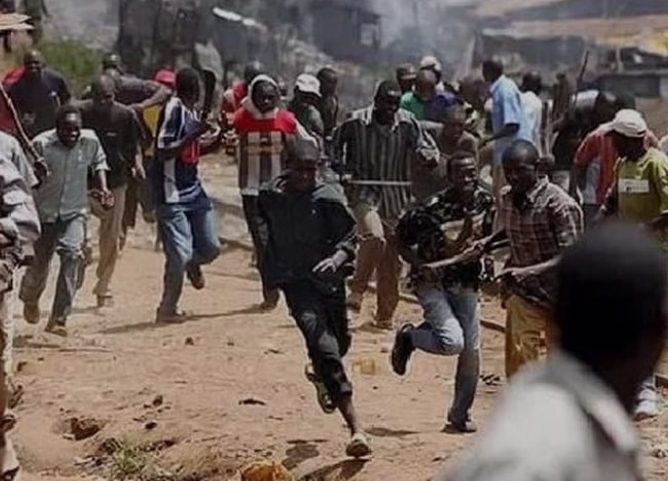
Plateau State, once celebrated as Nigeria’s Home of Peace and Tourism, has increasingly become a hotspot of violence, banditry, and ethno-religious tension. The latest controversy erupted when a self-styled Jos Hausa Activist, Aliyu Shuaibu, publicly demanded the arrest of Rev Ezekiel Dachomo, the regional chairman of the Church of Christ in Nations in Barkin Ladi.
Shuaibu accused Rev Dachomo of inciting hatred and deepening divisions in an already volatile region. The demand has triggered a storm of reactions, highlighting the delicate balance between freedom of expression, religious influence, and community security.
This article provides a comprehensive examination of the situation, analyzing the facts, the socio-political context, potential consequences, and recommendations for preventing further escalation.
Background: Plateau State and the Context of Banditry
Plateau State is home to diverse ethnic communities including the Beroms, Fulanis, Hausa, Afizere, and others. Despite periods of relative peace, the state has faced recurring violence due to communal clashes, herder-farmer conflicts, banditry, and kidnappings.
The fragile security situation makes the role of public figures and religious leaders particularly important. Their statements can calm tensions or, inadvertently, exacerbate fear and mistrust among communities.
The Controversy: Aliyu Shuaibu’s Call for Arrest
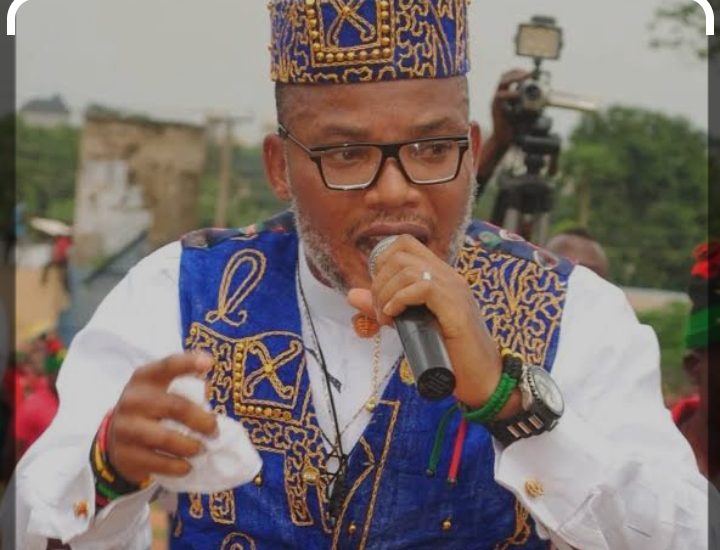
Aliyu Shuaibu, identifying as a Jos Hausa Activist, called for the arrest of Rev Dachomo for allegedly preaching messages that could provoke violence. In public statements, Shuaibu claimed that Dachomo’s rhetoric unfairly targeted Fulani communities and risked igniting communal clashes.
His call was framed as a legal demand, urging authorities to investigate the potential violation of laws against hate speech and incitement. The message quickly went viral, sparking debates across social and mainstream media platforms.
Rev Dachomo’s Perspective: Threats and Allegations
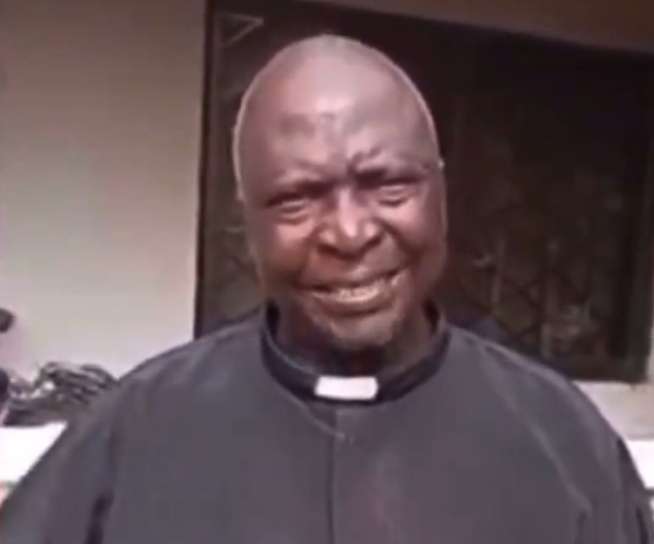
Rev Dachomo has consistently warned that Christian communities in Plateau face targeted attacks. He claims that Fulani groups are being strategically moved into Plateau to harm Christians.
He has also highlighted persistent threats against his life and called on followers to remain vigilant. The cleric has accused government officials of inaction and has threatened to escalate the matter to the International Criminal Court if the Nigerian government fails to protect vulnerable communities.
Rev Dachomo has publicly stated that if he is kidnapped, no ransom should be paid. He believes that such an incident would mobilize communities to confront insecurity more decisively.
Supporters, including Berom youth groups, have warned against threats to Dachomo’s safety, while Fulani associations have denied any involvement in plots against him, accusing him of using language that unfairly paints their communities as violent.
Security Agency Response: Fact-Checking the Claims
The Joint Task Force Operation Enduring Peace rejected some of Dachomo’s claims, particularly a viral video alleging large-scale Fulani mobilization through Nyerwai village. The JTF described the information as false and designed to cause panic.
Security agencies emphasized that spreading unverified claims can provoke violence and urged community leaders to collaborate with authorities to maintain peace. This highlights the delicate balance between advocating for security and avoiding incitement.
Analysis: Why the Controversy is Significant
Ethno-Religious Tensions
Rev Dachomo’s framing of attacks as part of a Christian genocide resonates with communities that feel marginalized. However, these narratives risk deepening divisions, heightening mistrust among Beroms, Fulanis, Hausa, and other groups, and escalating tensions in Plateau.
Free Speech versus Incitement
Religious leaders hold influential platforms. They can highlight security gaps, advocate for justice, and protect communities. But contested or exaggerated statements can provoke fear, retaliation, or intercommunal violence. Shuaibu’s demand for Dachomo’s arrest underscores the tension between protecting free speech and preventing incitement.
Political Implications
Dachomo’s threats to escalate the matter internationally carry major political weight. International scrutiny could pressure the government to act, while also mobilizing advocacy groups and potentially provoking backlash from groups feeling targeted.
Security Risks
If Dachomo’s warnings are accurate, followers may preemptively mobilize, potentially escalating conflict. Conversely, exaggeration of facts could be exploited by political or criminal actors, further destabilizing Plateau.
Socio-Political Implications
This dispute exposes deeper structural challenges in Plateau:
Persistent insecurity reflects gaps in governance and law enforcement.
Communities perceive security agencies as biased or ineffective.
Social media amplifies tensions, often outpacing authorities’ ability to clarify facts.
The interaction of activism, religious leadership, and social media creates a high-stakes environment where misinformation can have serious consequences.
Recommendations
To prevent escalation and restore stability:
1. Independent Investigation
An impartial inquiry should examine Dachomo’s allegations and Shuaibu’s claims, with findings made public.
2. Enhanced Security Measures
Deployment of credible protection units in vulnerable communities, alongside active engagement with local leaders.
3. Responsible Messaging
Leaders should advocate responsibly, balancing security concerns with messages that promote peace.
4. Conflict-Sensitive Media Practices
Media should verify sources, provide context, and avoid sensationalist reporting. Social media platforms can help curb the spread of misinformation.
5. International Mediation
Faith-based organizations and NGOs can mediate disputes and document violations without escalating conflict.
Potential Risks if Unaddressed
Deepening polarization between Christian and Fulani communities.
Escalation of violence due to calls for arrests or retaliatory action.
Loss of credibility for both the cleric and security agencies if information is perceived as manipulated.
Long-term trauma and fear, disrupting social cohesion and economic activity.
Conclusion
The confrontation between Aliyu Shuaibu and Rev Dachomo is more than a personal dispute. It underscores the intersection of religion, security, and ethnicity in Plateau State.
The outcome will shape regional peace, government credibility, and Nigeria’s broader discourse on communal violence. Effective resolution requires accountability, careful communication, and inclusive dialogue. Failing to address these tensions risks perpetuating cycles of fear, retaliation, and division.
About the Author
Amina Yusuf is a senior political and security correspondent at SaharaNews247, specializing in Middle Belt conflicts, ethno-religious tension, and governance issues. With over six years of experience, she is committed to fact-based, actionable journalism that highlights underreported voices and advocates for justice and reconciliation.