The Indigenous People of Biafra (IPOB) has issued a strong condemnation of the recent mob violence directed at members of the Hausa community in Edo State, Nigeria. In a statement that has sparked nationwide conversations, IPOB stressed that the persistent ethnic clashes and worsening insecurity across the country reinforce its call for the peaceful dissolution of Nigeria. According to the group, the only sustainable path forward is for each ethnic group to pursue self-determination and regional autonomy.
Mob Violence in Edo: What Really Happened?
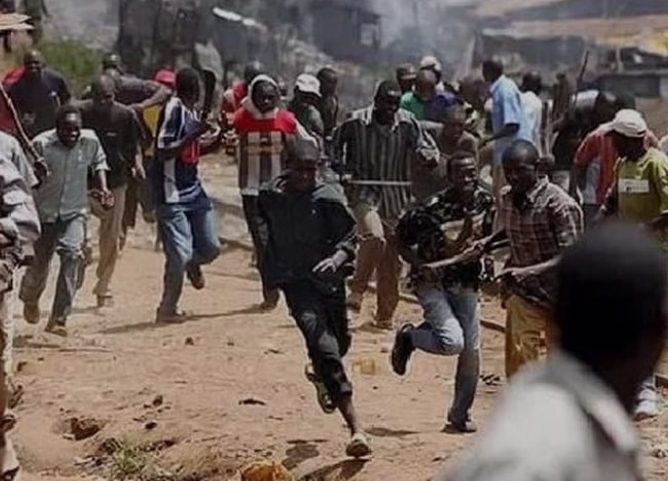
The violence reportedly erupted in parts of Edo State after local disagreements escalated into ethnic confrontations. While full details remain sketchy, eyewitness accounts suggest that clashes began in a marketplace following a disagreement between groups from different ethnic backgrounds, leading to attacks and retaliations.
The Hausa community, in particular, was targeted in what many have described as an alarming case of ethnic profiling. Local authorities have confirmed that the situation became tense, requiring the deployment of security operatives to restore peace and order.
So far, no official casualty figures have been released, but several homes and shops were said to be vandalized. The Edo State government has appealed for calm, warning against taking the law into one’s hands.
—
IPOB’s Reaction: A Broader Ethnic and Political Statement
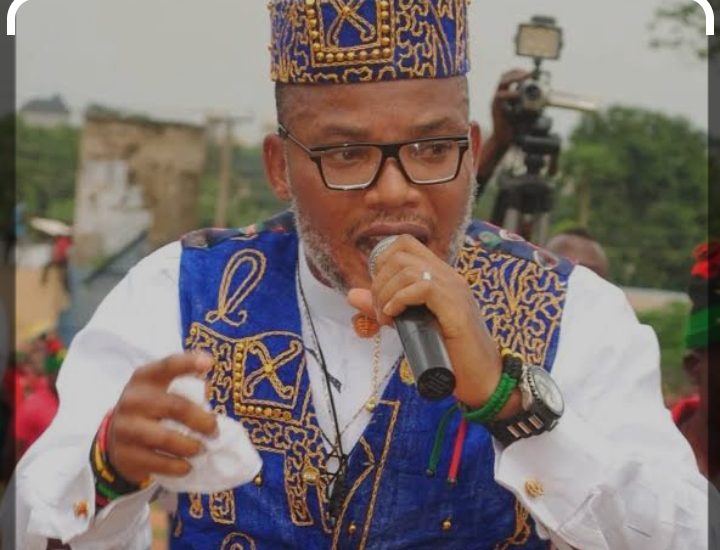
In its official statement, IPOB described the attacks on Hausa residents in Edo as “unjust, barbaric, and further proof that Nigeria’s unity is a ticking time bomb.”
According to IPOB spokesperson Emma Powerful, “Nigeria remains a forcefully welded union of hostile nations with incompatible values and ambitions. These ethnic flare-ups only confirm what we’ve always said — that Nigeria is not a nation but a geographic expression lacking true cohesion.”
He added that IPOB does not support mob justice or ethnic violence, regardless of the groups involved, but insisted that the root cause is Nigeria’s failed system and imposed unity.
—
Ethnic Tensions: A Symptom of Nigeria’s Broken Federal Structure
Nigeria’s multi-ethnic makeup, while a potential strength, has often been mismanaged. Political appointments, resource distribution, law enforcement, and social infrastructure have long been plagued by accusations of favoritism, tribalism, and marginalization. Ethnic minorities and agitators like IPOB argue that the federal government continues to ignore the cries of injustice and the calls for fair governance.
The mob action in Edo, though condemned across the board, is part of a troubling pattern. In recent years, Nigeria has witnessed:
Farmer-herder conflicts in the Middle Belt
Ethnic clashes in the South-East and South-West
Religious violence in Northern Nigeria
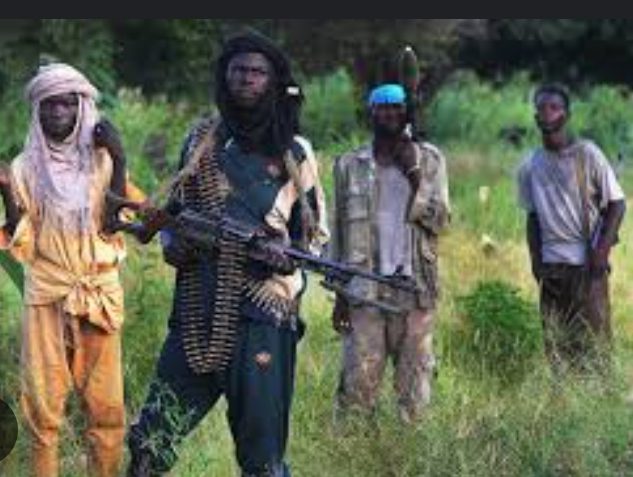
Boko Haram insurgency and banditry in the North
Separatist agitations in the South-East and South-South
IPOB believes that these ongoing conflicts make a compelling case for the dissolution of Nigeria into independent entities that can self-govern based on their shared values and ethnic identities.
—
Calls for Calm Amid the Rising Ethnic Tensions
Despite its separatist ideology, IPOB urged the public to resist all forms of provocation and violence. The group called on Biafrans, in particular, to remain peaceful and law-abiding while continuing to push their cause through non-violent means.
“We do not believe in mob justice, even when our people are attacked,” the statement read. “We advocate for self-determination through peaceful dialogue, international diplomacy, and lawful civil disobedience. Violence only serves the oppressors.”
Religious leaders, civil society organizations, and human rights groups have echoed similar calls for calm. Many warned that if left unchecked, ethnic clashes could spiral into large-scale unrest, endangering lives and livelihoods.
Government’s Response: Promises vs. Real Action
The Edo State Police Command confirmed that investigations are underway to identify those responsible for the attacks. Police spokesperson SP Chidi Nwabuzor assured residents that law enforcement agencies are committed to ensuring peace and holding perpetrators accountable.
However, many Nigerians remain skeptical. Over the years, security agencies have been accused of selective justice, where only certain groups are prosecuted while others enjoy immunity.
Analysts say the government must go beyond rhetoric and implement proactive policies that foster unity, equality, and accountability across all regions.
Break-up or Restructuring: What Is the Solution to Nigeria’s Crisis?
The debate over Nigeria’s future has gained traction in recent years. While IPOB is pushing for outright independence of the Biafran territory, other groups — including Afenifere (Yoruba socio-political group), PANDEF (Niger Delta leaders), and the Middle Belt Forum — advocate for restructuring Nigeria into a true federal system.
Under a restructured system, each region would have control over its resources, security, and laws while remaining part of a united country. But IPOB and similar groups argue that restructuring is merely a temporary fix that cannot heal deep-rooted historical injustices.
According to them, only a complete dissolution will enable ethnic nationalities to thrive independently, without being bound by artificial borders and colonial legacies.
The Way Forward: Dialogue or Division?
Whether one supports restructuring or secession, one fact remains: Nigeria is at a crossroads. The rising ethnic tensions, insecurity, economic hardship, and political instability suggest that the current arrangement is unsustainable.
National stakeholders — including religious leaders, traditional rulers, youth leaders, and policymakers — must urgently prioritize sincere dialogue. The government must listen to aggrieved voices, ensure justice for all, and commit to structural reforms.
The international community also has a role to play by encouraging inclusive governance, human rights protection, and fair mediation in Nigeria’s complex internal affairs.
Conclusion
The mob attack against Hausa communities in Edo State is a stark reminder of Nigeria’s fragile ethnic coexistence. While IPOB’s condemnation of the attack is commendable, its insistence on the country’s break-up reflects the deep frustration and hopelessness felt by millions of Nigerians.
To prevent further violence and national disintegration, the government must act now — not just with words, but with tangible steps toward justice, equity, and inclusion. The time for reactive measures is over. Nigeria’s survival depends on proactive, courageous leadership and open dialogue that respects all voices.