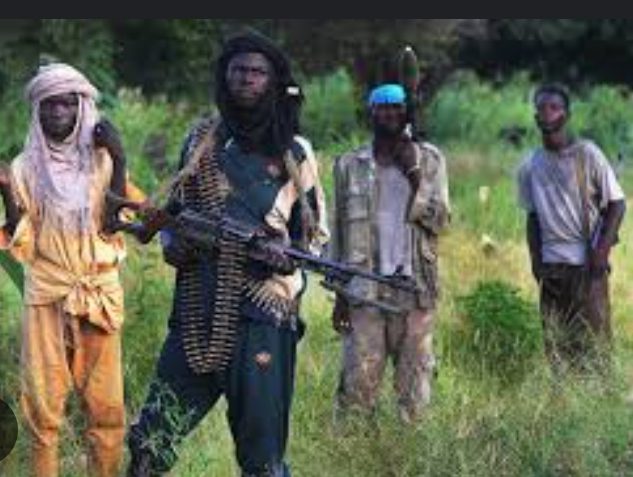
Over 1,000 children have been forced out of school due to the ongoing crisis in Abor Isiala and Iheenyi communities in Eha-Amufu, Isi-Uzo Local Government Area of Enugu State, Nigeria. According to a coalition of civil society organizations, including the South Saharan Social Development Organization (SSDO) and the Justice Development and Peace Commission (JDPC), the crisis began in 2022 and has displaced at least 7,000 residents, causing severe loss of lives, property, and livelihoods.
Speaking at a joint press conference in Enugu, the coalition attributed the displacement to repeated attacks by armed herdsmen, which have escalated despite intermittent security deployments.
Violence Sparks Community Protests
The crisis has caused deep unrest among residents, particularly women, who staged a protest after the killing of a final-year student and the rape of a woman returning from her farm. Civil society groups condemned the attacks, describing them as a relentless threat to the safety, education, and well-being of residents.
Only 456 children have returned to school since the attacks began, leaving over 1,064 children out of school and at risk of long-term educational and psychological consequences.
Humanitarian Crisis Escalates
Rev. Fr. Donatus Onuigbo, Director of JDPC in Enugu, described the situation as “not just a tragedy but an ongoing humanitarian crisis that has left countless families broken and displaced.”
Residents have been forced to abandon farms and businesses as the attacks have spiraled into violent confrontations between herdsmen and local communities. Armed herdsmen and their collaborators have wreaked havoc, driving communities from their homes and upending the lives of those who once thrived there.
Impact on Women and Children
The coalition highlighted the disproportionate effect on women and children, who face hunger, disease, physical assault, and sexual violence. Some women have suffered brutal sexual violence, and children who should be in school are now traumatised, displaced, and deprived of education.
The destruction of farmlands has also left communities without reliable sources of food and income. Families, particularly smallholder farmers, have lost crops, livestock, and businesses, compounding the economic fallout from the attacks.
Repeated Attacks Despite Security Presence
Despite the deployment of security forces to the affected areas, the attacks have become an annual occurrence. Onuigbo emphasized that without immediate intervention, the cycle of violence will continue.
He urged the Enugu State government, under Governor Peter Ndubuisi Mbah, to take immediate and concrete steps to address the crisis, including providing humanitarian aid such as cash for food, clothing, survival kits, and medical supplies.
Call for Justice and Restoration
Onuigbo called for the identification, arrest, and prosecution of those responsible for the attacks. He stressed that restoring normalcy requires more than just security measures; it also involves rebuilding schools, farmlands, and businesses that have been destroyed.
He added that displaced children must be safely returned to school, and farmers and business owners should be supported in rebuilding their livelihoods.
Communities Under Siege
Reports indicate that at least 42 farm settlements across four autonomous communities in Eha-Amufu have been overrun by marauding herdsmen, leaving residents displaced and seeking refuge in neighboring areas. The attacks have triggered a humanitarian crisis with widespread food insecurity, trauma, and economic disruption.
Local leaders warn that if urgent steps are not taken, the situation could deteriorate further, leading to mass migration, loss of cultural heritage, and long-term regional instability.
Education in Crisis
The displacement of children from school threatens generational development in the affected areas. Education, which should be a pathway to progress, has been interrupted for thousands of children, many of whom now face the risk of child labor, early marriage, and psychological trauma.
Civil society organizations are advocating for emergency educational programs, including temporary learning centers, counseling services, and the provision of school materials, to mitigate the effects of the crisis.
Economic Fallout
The destruction of farms and businesses has left many families without income or means of survival. Crops, livestock, and small-scale enterprises have been destroyed, causing economic instability and heightening vulnerability among residents.
Experts warn that prolonged insecurity in the region could discourage investment, reduce agricultural production, and negatively impact the wider economy of Enugu State.
Health and Humanitarian Concerns
The ongoing violence has triggered a health crisis, with malnutrition, waterborne diseases, and lack of access to medical care affecting the displaced population. Women and children are particularly vulnerable, with reports of sexual violence and trauma requiring urgent psychological support.
Humanitarian organizations are calling for immediate intervention, including medical supplies, clean water, shelter, and nutrition assistance for affected families.
Government Response and Community Demands
While the government has intermittently deployed security forces to the affected areas, residents argue that these measures are insufficient to prevent recurring attacks.
Civil society organizations are demanding stronger security measures, justice for victims, and long-term strategies to prevent future conflicts. They urge the state government to:
1. Provide immediate humanitarian relief including food, clothing, medical supplies, and shelter.
2. Facilitate the safe return of displaced residents, including children to school and farmers to their lands.
3. Identify, arrest, and prosecute perpetrators to restore law and order.
4. Rebuild destroyed infrastructure including homes, schools, and marketplaces.
5. Engage in dialogue and conflict resolution to address the root causes of herder-farmer clashes.
The Broader Implications
The situation in Eha-Amufu reflects a larger national challenge of herder-farmer conflicts in Nigeria. Without decisive action, these conflicts threaten social cohesion, economic stability, and the future of affected communities.
Experts stress that tackling the crisis requires coordinated efforts from government, security agencies, and civil society, including monitoring herder movements, enforcing laws, and promoting sustainable agricultural practices.
Conclusion
The attacks on Abor Isiala and Iheenyi communities represent more than local disputes—they are a humanitarian crisis that demands urgent intervention, justice, and long-term solutions. Thousands of displaced residents, traumatized children, and devastated families rely on swift action from the Enugu State government and humanitarian agencies.
Immediate action is essential to restore safety, provide humanitarian aid, and ensure that these communities can rebuild their lives. Without decisive action, the cycle of violence will continue, leaving women, children, and vulnerable families to bear the brunt of insecurity, economic hardship, and social instability.
—
About the Author
Smart Chuks is a Nigerian journalist and human rights advocate with over eight years of experience covering socio-political issues across Nigeria. He specializes in conflict reporting, humanitarian crises, and community development, with a focus on giving a voice to displaced and marginalized populations.