A Nation Trapped Between Fear and Faith
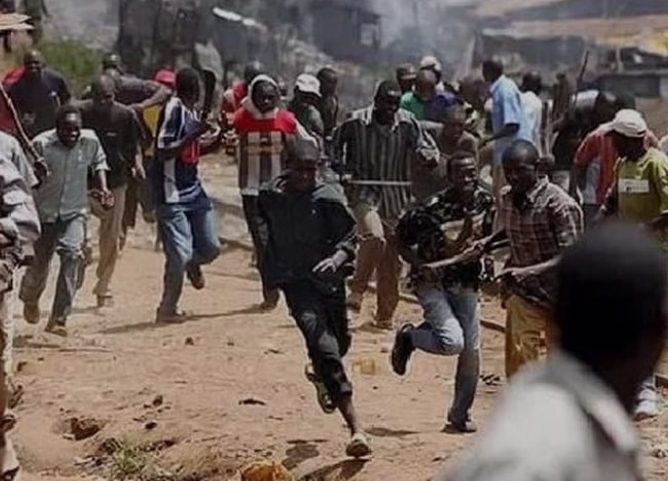
In the early hours of a quiet Sunday morning in a farming settlement outside Barkin Ladi in Plateau State, the crack of gunfire shattered what little peace remained in the village. Women ran clutching babies, men searched desperately for relatives, and by sunrise another cluster of homes lay in ashes. For many Nigerians living in the Middle Belt and northern fringes of the country, this is no longer breaking news. It is life.
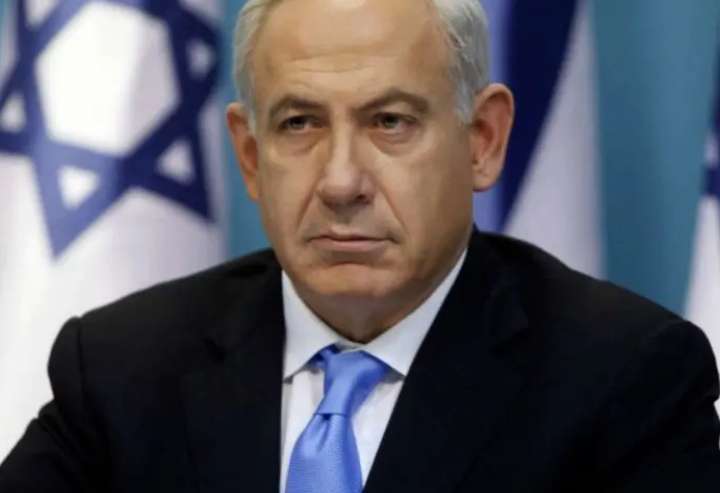
It is within this atmosphere of grief, anger and exhaustion that Israeli Prime Minister Benjamin Netanyahu recently announced that Israel is developing a global agenda to support persecuted Christians, with Nigeria named as a major focus. His words, delivered before Christian leaders in the United States and later clarified by Israel’s ambassador to Nigeria, Michael Freeman, have pulled Nigeria’s internal crisis into the centre of global attention.
For some Nigerians, the announcement felt like long-awaited recognition. For others, it raised deep anxiety that Nigeria’s suffering is being reframed through foreign ideological lenses that could make an already fragile situation even worse.
How Nigeria’s Insecurity Became a Global Concern
Nigeria’s security nightmare did not appear overnight. The Boko Haram uprising in 2009 exposed the weakness of state authority in large swathes of the country. What began as a local insurgency evolved into a hydra of terror groups, armed bandits and criminal networks. Entire highways became danger zones. Rural communities were left to fend for themselves.
In Benue, Plateau and Southern Kaduna, residents recount night attacks that follow a grim pattern. Villages are surrounded. Escape routes are cut off. Homes are torched. Churches, often the heart of community life, are reduced to rubble.
Christian leaders in these regions say the targeting is systematic. They speak of congregations wiped out in single raids and clergy abducted while travelling to remote parishes. It is from these testimonies that the phrase “Christian genocide” has gained traction.
The Genocide Debate and Why It Divides Nigeria
The Nigerian government rejects the genocide label, insisting that Muslims and Christians alike are victims of a broader collapse in security driven by terrorism, land disputes and poverty. Officials argue that branding the crisis as genocide is not only inaccurate but dangerous, because it risks hardening religious identities in a nation already on edge.
For grieving families, however, official explanations offer little comfort. They see their churches destroyed, their lands seized and their loved ones buried in silence. To them, the term genocide is not rhetoric. It is how they describe a reality they believe the world has ignored.
This gulf between lived experience and official narrative is what makes Netanyahu’s intervention so powerful and so controversial.
Netanyahu’s Declaration and Israel’s New Africa Strategy
When Benjamin Netanyahu spoke about Nigeria, he was not merely offering sympathy. He outlined a vision of a global alliance committed to protecting persecuted Christians. He described attacks on Christians as assaults on the foundations of civilisation and listed Nigeria among the countries where ancient Christian communities face extinction.
Ambassador Michael Freeman later clarified that Israel does not intend to deploy troops to Nigeria. Instead, support would come through intelligence sharing, technical training, early warning systems and diplomatic advocacy. The idea is to help Nigeria anticipate attacks rather than simply mourn their aftermath.
For Israel, this initiative is both ideological and strategic. It reinforces ties with evangelical movements in the West while expanding Israel’s diplomatic footprint in Africa, a region of growing global importance.
Why Many Nigerian Christians Feel Finally Seen
Among Christian communities battered by years of violence, the announcement has stirred cautious hope. Pastors who have presided over too many funerals say the world has treated their pain as a footnote. Displaced families living in makeshift camps believe any international attention could mean fewer graves.
For them, intelligence sharing is not an abstract policy. It is the difference between another midnight raid and a warning that gives families time to flee.
The Backlash From Muslim Groups and Civil Society
The optimism is not universal. Muslim organisations accuse Netanyahu of recasting Nigeria’s crisis as a religious war. They argue that Muslims have also been slaughtered by insurgents and that foreign leaders have no moral authority to define Nigeria’s suffering.
Civil society groups echo these fears. They warn that Nigeria’s violence is rooted in governance failures, not theology, and that international religious framing could inflame divisions rather than heal them.
Sovereignty, Suspicion and the Shadow of Foreign Intervention
Nigeria’s political class is deeply wary of foreign involvement. The country’s history is scarred by external interference, from colonial rule to Cold War manoeuvring. Government officials stress that while partnerships are welcome, Nigeria will not surrender control of its security agenda.
This anxiety has been amplified by the United States’ decision to designate Nigeria a Country of Particular Concern over religious freedom. Reports of American drone strikes against extremist hideouts have further fueled the perception that Nigeria’s crisis is being internationalised without its consent.
Can Intelligence Alone Deliver Peace?
Even the best technology cannot fix broken institutions. Rural policing remains weak. Soldiers complain of poor equipment and unpaid allowances. Court cases against suspected militants collapse due to shoddy investigations.
Until these structural failures are addressed, no foreign expertise can guarantee safety.
The Real Danger of Religious Polarisation
Perhaps the greatest risk is that Nigeria’s crisis becomes framed solely as a Christian versus Muslim conflict. Extremists thrive on such divisions. The more the narrative hardens, the easier it becomes for radical groups to recruit, manipulate and terrorise.
Nigeria’s diversity has always been its strength. Turning tragedy into a religious contest would betray that heritage.
A Nation at a Crossroads
Netanyahu’s declaration has changed the conversation. Nigeria is no longer just a troubled nation in Africa. It is now a symbol in a global struggle over faith, identity and power.
Whether this moment becomes a turning point for healing or another chapter in a story of missed opportunities will depend on Nigeria’s leaders, its people and the wisdom of its international partners.
About the Author
Smart Chuks is a senior investigative journalist with SaharaNews247, reporting on security, diplomacy and governance across Africa. Raised in a conflict-prone region of Nigeria, he has spent over a decade documenting how policy failures translate into human suffering. His work focuses on bridging the gap between global headlines and the lived experiences of ordinary Nigerians caught in the crossfire of history.