By Michael Obinna – SaharaNews247 | April 5, 2025
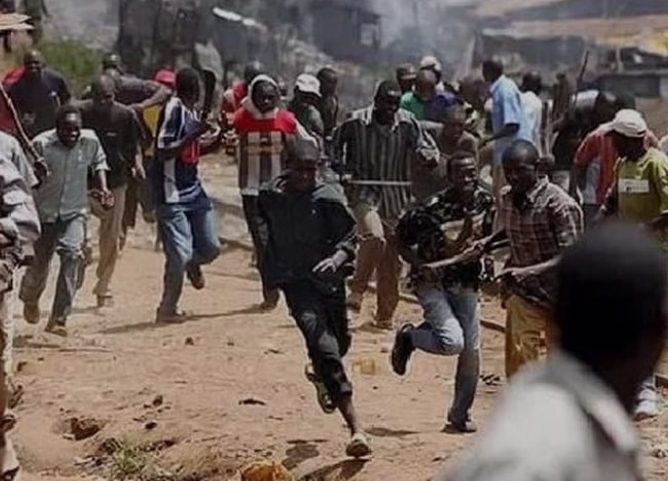
The atmosphere across parts of Sokoto State remains heavy with fear and uncertainty days after the brutal killing of 16 Hausa hunters in Uromi, Edo State. What began as a deadly local incident in the South-South has rapidly evolved into a national security concern, triggering anxiety, disrupted economic activities, and heightened vigilance across northern Nigeria amid fears of possible reprisal attacks.
Although no violent backlash has been officially recorded in Sokoto as of press time, the psychological impact of the Uromi killings is unmistakable. Entire neighbourhoods have gone quiet, shops remain locked, and public spaces that usually pulse with commercial and social life have been deserted. For residents, the tension is not driven by what has happened locally, but by what might happen next.
A City Gripped by Unease
In Sokoto metropolis, the normally bustling arteries of commerce have fallen eerily silent. Major business districts such as Bello Way, Emir Yahya Road, Aliyu Jodi, and parts of Sahara area have seen a near-total shutdown of shops and roadside businesses. Markets that typically draw traders and buyers from surrounding towns have recorded skeletal activity, while transport operators report reduced passenger movement.
Residents describe an atmosphere where fear outweighs routine. Many families have chosen to remain indoors, limiting movement to only what is absolutely necessary. Schools, while officially open, have recorded lower attendance as parents err on the side of caution.
Initial speculation circulating on social media suggested that certain ethnic-owned businesses were being selectively targeted for closure. However, those on the ground insist the situation is far broader and more precautionary than discriminatory.
Buhari Haruna Illelah, a local entrepreneur who runs a POS outlet and motorcycle spare parts shop, said the closures were prompted by security advisories rather than direct threats.
“The police came and asked us to close and go home. There was no violence on the streets and I did not see any armed youths. But information was circulating that something could happen, so everyone decided to stay indoors for safety,” he explained.
His account mirrors that of many other traders who say fear of the unknown, rather than confirmed attacks, has paralysed daily life.
The Incident That Sparked Nationwide Alarm
The killings in Uromi, reportedly involving local vigilantes and youths who accused the victims of suspicious movements, have struck a sensitive nerve in Nigeria’s already fragile communal landscape. According to accounts, the hunters were attacked, lynched, and set ablaze, an act that drew widespread condemnation and demands for justice from across the country.
Beyond the brutality of the killings themselves, the incident has revived painful memories of past communal clashes in Nigeria, where localized violence spiralled into wider ethnic or regional unrest. In a nation marked by deep diversity and historical mistrust, such events often carry consequences far beyond their immediate location.
For many in the North, the Uromi killings are perceived not merely as a criminal act, but as a symbolic attack on a community whose members frequently travel across states for trade, hunting, and other livelihoods. This perception has amplified emotions and raised the stakes for security agencies tasked with preventing escalation.
Security Agencies on High Alert
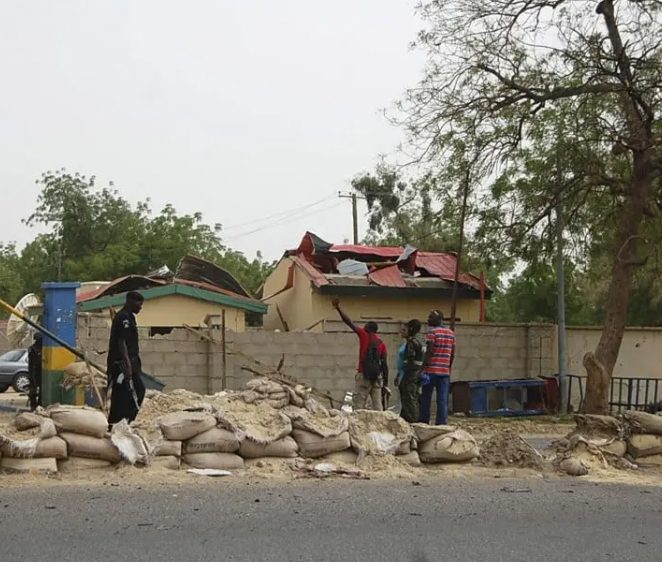
In response to the growing tension, security agencies in Sokoto have moved swiftly to reinforce their presence across strategic locations. Police patrols have been intensified, checkpoints strengthened, and intelligence units deployed to monitor potential flashpoints. Plain-clothes operatives are also said to be blending into communities to gather early warning signals.
A senior security official, speaking on condition of anonymity due to the sensitivity of the situation, confirmed that authorities are taking no chances.
“We are engaging community leaders, monitoring movements, and responding to intelligence as it comes. The goal is to prevent any form of reprisal or breakdown of law and order,” the source said.
Security experts note that such preventive deployments are crucial in moments like this, where rumours can travel faster than facts and fear can ignite violence even in the absence of direct provocation.
The Role of Rumours and Social Media
One of the most challenging aspects of the current tension is the spread of unverified information, particularly on social media platforms. Voice notes, screenshots, and forwarded messages warning of impending attacks have circulated widely, contributing to panic and confusion.
Authorities and civil society groups have repeatedly urged the public to rely only on credible sources and official statements. Media analysts warn that irresponsible reporting or sensational headlines could inflame emotions and deepen mistrust between communities.
For many residents, however, separating fact from fiction remains difficult, especially in an environment where past experiences have taught people to take threats seriously, even when unconfirmed.
Religious and Community Leaders Step In
Recognising the gravity of the situation, religious and traditional leaders in Sokoto have intensified efforts to calm nerves and discourage any form of retaliation. Mosques and community forums have become platforms for messages of restraint, unity, and lawful pursuit of justice.
A prominent Islamic scholar in the state described the moment as a test of collective wisdom.
“This is a painful incident, but responding with violence will only multiply the pain. Islam teaches justice, patience, and the protection of innocent lives. We must allow the law to take its course,” he said during a sermon.
Civil society organisations have echoed similar sentiments, urging young people in particular not to be drawn into cycles of revenge that ultimately harm their own communities.
Economic and Social Consequences Loom
The prolonged shutdown of businesses, even if precautionary, carries significant economic implications. Sokoto serves as a key commercial hub in the North-West, linking rural producers with urban markets. Any sustained disruption could affect food supply chains, inflate prices, and deepen hardship for low-income households.
Transporters and daily wage earners are already feeling the strain, with reduced movement translating into lost income. Traders worry that if the tension persists, recovery could be slow, particularly for small businesses operating on thin margins.
Analysts warn that beyond immediate losses, recurring incidents of communal violence risk damaging Nigeria’s internal cohesion and investor confidence, reinforcing perceptions of insecurity.
Calls for Justice and Accountability
At the heart of the tension lies a demand that transcends regional boundaries: justice for the victims of the Uromi killings. Legal experts and human rights advocates insist that transparent investigation and prosecution are essential not only to address the crime, but also to prevent reprisals elsewhere.
They argue that impunity fuels anger and mistrust, while visible accountability can reassure aggrieved communities that the state is capable of protecting its citizens, regardless of ethnicity or location.
Authorities in Edo State have announced investigations into the incident, but many Nigerians say actions, not promises, will determine whether calm can be fully restored.
A Fragile Calm, A Nation Watching
As of this report, Sokoto remains calm but tense. The absence of violence offers cautious hope, yet the closed shops and empty streets tell a story of collective anxiety and unresolved grief.
The tragedy in Uromi has once again exposed Nigeria’s delicate balance, where local actions can trigger national consequences. It underscores the urgent need for stronger conflict-prevention mechanisms, better regulation of vigilante activities, and sustained dialogue among Nigeria’s diverse communities.
Until justice is seen to be done and confidence fully restored, many residents in Sokoto and beyond will continue to watch events unfold with apprehension, hoping that restraint prevails over revenge.
Author Bio
Michael Obinna is a journalist and political analyst with SaharaNews247. He covers security, governance, and socio-political developments in Nigeria, with a focus on conflict reporting and national cohesion.