
By Smart Chuks
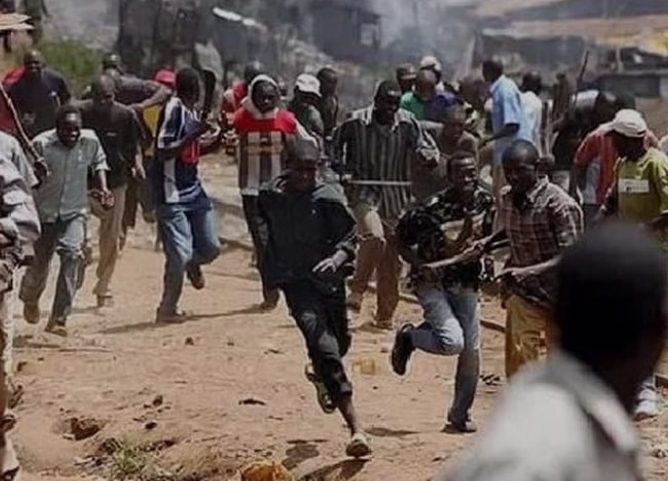
Nigeria has entered a new chapter in its national security direction as President Bola Ahmed Tinubu formally nominated retired General Christopher Gwabin Musa as the country’s next Minister of Defence. The nomination follows the resignation of Mohammed Badaru Abubakar, who reportedly stepped down for health reasons. The move comes at a time when insecurity, mass abductions, and violent attacks have escalated across multiple regions, forcing the federal government to intensify its security strategy and response mechanisms.
General Musa’s nomination has already sparked national interest and debate. Supporters view him as a strategic and timely choice due to his recent experience as Chief of Defence Staff (CDS), while critics question whether shifting directly from military command to a civilian-controlled ministerial role blurs the line between democratic oversight and military influence.
This detailed analysis explores the verified facts behind the nomination, evaluates Musa’s qualifications, examines the security context surrounding the decision, and breaks down what Nigerians should expect in the coming months.
Confirming the Nomination
The nomination was transmitted from the Presidency to the Senate with a formal request for screening and approval. Until confirmation is complete, General Musa does not officially assume office. However, the speed and tone of the communication signal urgency, reflecting the federal government’s intensifying response to worsening insecurity across several states.
Several credible domestic and international news outlets confirmed the development shortly after it was made public. The details consistently align: Musa is Tinubu’s official nominee, his predecessor stepped down, and the Senate confirmation process is the next constitutional step.
Who Is General Christopher Gwabin Musa?
General Musa is a career military officer who joined the Nigerian Army decades ago and steadily rose through the ranks to serve as Chief of Defence Staff between 2023 and 2025. As CDS, he oversaw multiple counter-terrorism and stabilization efforts involving joint service operations across the Army, Navy, and Air Force.
His tenure was marked by ongoing battles against insurgents in the Northeast, armed bandit groups in the Northwest, kidnapping syndicates in the North Central region, and rising violent criminal networks in the South.
Unlike many political appointees, Musa comes with technical knowledge, operational experience, and familiarity with the challenges and limitations within Nigeria’s defence architecture. The question many are now asking is whether that experience can translate into strategic reforms and measurable civilian-led outcomes.
Why Tinubu May Have Picked Musa
The nomination appears intentional and strategic. There are several reasons the President may have selected a recently retired CDS:
1. Operational familiarity: Musa understands current military deployments, challenges, and ongoing operations without needing long security briefings.
2. Urgency: With kidnappings and attacks increasing, the President may have felt the need for someone who can work without a learning curve.
3. Force confidence: Service members may respond better to a leader they know and respect.
4. Political messaging: The nomination sends a signal both domestically and internationally that security reforms will no longer be slow or symbolic.
However, while these benefits are significant, the choice also comes with risks and potential long-term consequences — especially concerning civil-military balance and democratic norms.
The Senate’s Role: What Happens Next
Although the nomination is official, it is not yet final. The Senate must conduct screening and vote either to approve or reject the appointment.
During the process, senators are expected to raise critical questions such as:
What is Musa’s 90-day operational plan?
How will he manage defence procurement transparency?
How will he ensure accountability within the armed forces?
Will his leadership respect constitutional civilian oversight?
What reforms will be implemented to address the rise in kidnapping syndicates?
This screening will be closely watched, not just by observers in Abuja but by families affected by insecurity waiting for concrete changes.
The Current Security Climate in Nigeria
The nomination comes at a crucial time. Nigeria is experiencing one of its most challenging security periods in recent history. Recent weeks have seen:
Multiple mass abductions
Rising rural and inter-state highway kidnappings
Escalating attacks on communities and security personnel
Increased pressure on overstretched and under-equipped security agencies
The situation prompted President Tinubu to declare a national security emergency and approve accelerated recruitment into security agencies, including the military and police.
With General Musa in line to head the Defence Ministry, expectations are higher than ever.
Strengths General Musa Brings to the Table
General Musa’s potential advantages include:
Deep operational insight into ongoing security operations
Strong military network and rapport with active service chiefs
Crisis management experience, particularly in live conflict theatres
Understanding of modern asymmetric warfare, including insurgency tactics, intelligence failures, and resource gaps
These strengths could help streamline decision-making, eliminate unnecessary bureaucracy, and strengthen field coordination.
Potential Challenges Ahead
No appointment of this magnitude comes without concerns. Key challenges include:
Civilian–military boundary: Democracies require clear separation of roles; some analysts fear military influence could grow stronger politically.
Public expectation pressure: Nigerians expect quick results, yet insecurity challenges are complex and deeply rooted.
Procurement transparency: Defence spending has historically been opaque; reform requires resistance to entrenched interests.
Inter-agency cooperation: The Defence Ministry cannot succeed alone — synergy with police, intelligence agencies, and state governments remains essential.
How Musa navigates these tensions will determine whether his tenure is remembered as transformational or symbolic.
Short-Term Expectations (First Six Months)
In the early months, the nation should expect:
Faster deployment responses
Increased rescue operations for abductees
Strengthened intelligence coordination
Visible presence of security forces in key hotspots
Clear operational communication from the ministry
Whether these actions translate into lasting security improvement depends largely on execution and follow-through.
Medium-Term Expectations (6–24 Months)
If confirmed and empowered, Musa’s ministry may attempt:
Structural military reform
Intelligence overhaul
Improved training and equipment supply chain
Stronger border control measures
Community-based security collaboration
Defence accountability frameworks
These medium-term reforms are essential if Nigeria hopes to reduce insecurity rather than merely react to it.
What Nigerians Should Watch Going Forward
Citizens should monitor:
The Senate confirmation outcome
The first official policy statement from the Defence Ministry
Evidence-based progress in high-risk regions
Transparency around defence spending and operations
For many Nigerians, especially victims and frontline communities, outcomes matter more than political motion.
Conclusion
President Tinubu’s nomination of General Christopher Gwabin Musa as Minister of Defence marks a pivotal moment in Nigeria’s ongoing battle against insecurity. It signals urgency, strategic recalibration, and a push toward capability-driven leadership. However, it also raises important questions about civil-military balance, policy execution, and accountability.
If confirmed by the Senate, Musa will inherit one of the most challenging portfolios in the country — but also one with the greatest opportunity for meaningful national impact. His legacy will depend on whether he can shift Nigeria’s security doctrine from reactive firefighting to proactive stability, reform, and measurable progress.
The nation is watching — and waiting.
Author Bio
Smart Chuks is a security and political affairs analyst and senior writer with SaharaNews247. He covers defence policy, governance, and emerging security trends across Nigeria and West Africa. Contact: editorial@saharanews247.com.