
By SaharaNews247
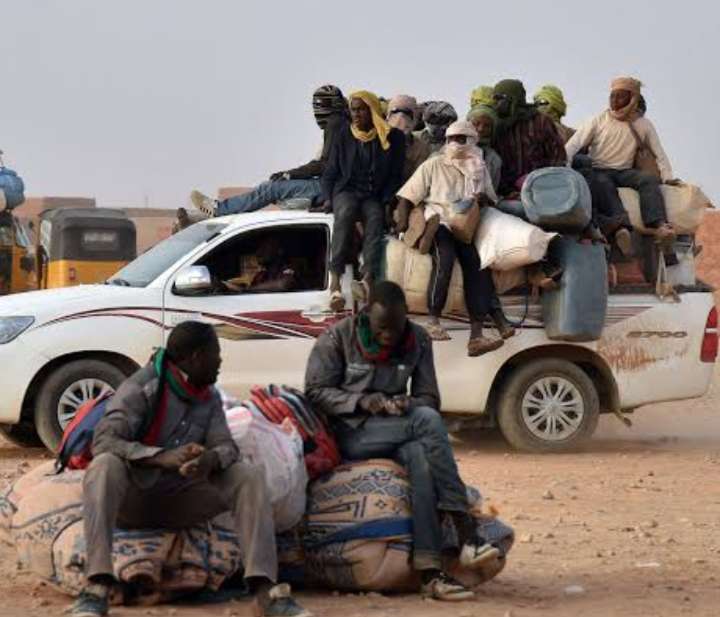
In a chilling revelation, Nigerian returnees have exposed the unspeakable horrors they faced while attempting to cross into Libya in search of a better life. According to firsthand accounts, border policemen and armed groups subjected young women and girls to systematic rape, torture, and extortion, turning their desperate journey into a nightmare.
—
The Journey to Libya: A Road Paved with Pain
Libya has long served as a gateway for thousands of African youths seeking to cross the Mediterranean into Europe, driven by the harsh realities of unemployment, insecurity, and poverty back home. However, what many do not realize is that the road to Libya is soaked with blood, tears, and sexual violence.
Fatima (name changed), a 22-year-old from Edo State, recounted how she and other women in her group were stopped by armed border policemen near the desert checkpoint on the Niger-Libya border.
> “They raped us one by one. They told the men to lie on the ground, and they took us behind the truck. If we cried, they beat us. We had no choice. They raped us like we were nothing,” she said, her voice trembling.
—
Systematic Sexual Violence at Desert Checkpoints
Reports by Amnesty International, Human Rights Watch, and the UN confirm that Fatima’s story is not an isolated case. Migrants, especially women, face daily threats of rape and abuse at the hands of border police, armed militias, and traffickers who operate with impunity across the desert routes.
Many women are forced to exchange sex for water or food during the harsh desert crossing, while others are detained in makeshift camps where sexual violence becomes a tool for coercion and control.
—
Libya: A Hellish Detention for Survivors
For those who survive the desert ordeal, Libya itself often becomes another prison. Returnees report that in detention centers run by militias and security forces, women are routinely raped, while men are beaten and tortured to extract ransom payments from families back home.
A recent report by The Guardian and UNHCR noted that:
> “Refugees face routine sexual violence in Libyan detention centres, with guards raping women in exchange for release or basic necessities.”
—
The Psychological Scars of the Journey
The physical wounds of these survivors may heal, but the emotional scars remain. Many returnees suffer from severe trauma, depression, and fear, unable to reintegrate into society due to stigma and the weight of their horrific experiences.
“I cannot sleep at night,” Fatima whispered. “Every time I close my eyes, I remember their faces.”
—
Calls for Justice and Protection
Human rights groups have called on African governments and the international community to investigate these atrocities, protect migrants, and dismantle trafficking networks along desert routes. There is an urgent need for:
✅ Stricter monitoring of border police activities
✅ Safe migration alternatives
✅ Rehabilitation and psychological support for returnees
✅ Prosecution of perpetrators of sexual violence
—
Why This Matters
Thousands of young Nigerians continue to risk their lives on these deadly routes, unaware of the horror that awaits them. Raising awareness of these abuses may help prevent others from falling victim, while pressuring authorities to end the culture of impunity that allows such violence to thrive.
—
Final Words
The heartbreaking stories of these returnees are a stark reminder that the pursuit of greener pastures often comes at a cost many cannot imagine. As Nigeria grapples with economic challenges, it is crucial to protect its youths from exploitation, trafficking, and sexual violence along migration routes.
May these stories serve as a wake-up call to the nation and the world.
—
What You Can Do:
Share this story to raise awareness.
Support NGOs providing legal aid and counseling to survivors.
Advocate for stronger anti-trafficking laws and border monitoring.