By Smart Chuks | SaharaNews247
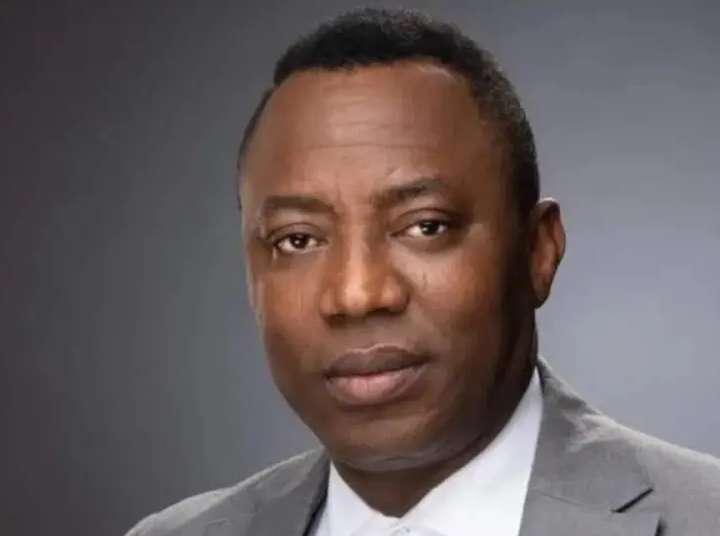
In a shocking twist that has reignited concerns over human rights and judicial independence in Nigeria, human rights activist and publisher of Sahara Reporters, Omoyele Sowore, was reportedly re-arrested by the police moments after a court granted him bail. The incident has drawn outrage from civil society groups, human rights advocates, and political observers who see it as another sign of democratic decline and executive overreach in Africa’s largest democracy.
The Dramatic Turn of Events
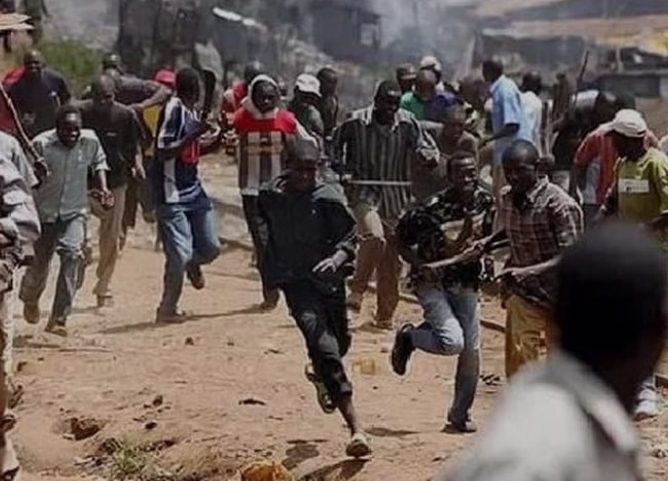
The tension-filled drama unfolded shortly after a Nigerian court approved bail for Sowore and others arrested alongside him during a peaceful protest demanding justice, accountability, and respect for citizens’ rights.
Just minutes after leaving the courtroom, Sowore was confronted by police officers who whisked him away in what many described as an “ambush-style” re-arrest.
Eyewitnesses said the atmosphere outside the court quickly turned chaotic as supporters, lawyers, and journalists watched in disbelief. The arrest has raised critical questions about the Nigerian government’s commitment to upholding court rulings and respecting the fundamental rights of citizens guaranteed under the Constitution.
Background: Sowore’s Activism and History of Confrontation
Omoyele Sowore, a former presidential candidate and publisher of Sahara Reporters, has long been known as one of Nigeria’s most outspoken voices against corruption, dictatorship, and abuse of power.
In 2019, he was first arrested by the Department of State Services (DSS) for organizing the #RevolutionNow protest — a movement that sought to challenge systemic corruption and political stagnation in Nigeria.
Despite court orders for his release at that time, Sowore was detained for months, sparking local and international condemnation. Human rights groups, including Amnesty International and Human Rights Watch, criticized the Nigerian authorities for weaponizing the judiciary and law enforcement to silence dissent.
Why the New Arrest Has Sparked Public Outrage
Sowore’s latest arrest comes amid renewed public discontent with governance, economic hardship, and perceived erosion of democratic freedoms in Nigeria.
Many Nigerians see the arrest as symbolic — a warning to those who dare to challenge the political status quo.
Legal experts and activists argue that re-arresting a citizen immediately after being granted bail violates both constitutional rights and judicial authority. Section 35 of the 1999 Constitution guarantees every Nigerian the right to personal liberty, except under conditions clearly defined by law.
“This is not just about Sowore,” said Barrister Emeka Okonkwo, a human rights lawyer based in Abuja. “It’s about the soul of our democracy. When the government ignores court orders, it tells the world that the rule of law is optional in Nigeria.”
A Pattern of Disregard for Court Orders
Nigeria’s justice system has repeatedly faced accusations of political interference.
From the detention of journalists and protesters to the controversial handling of political trials, many observers believe that the independence of the judiciary is under siege.
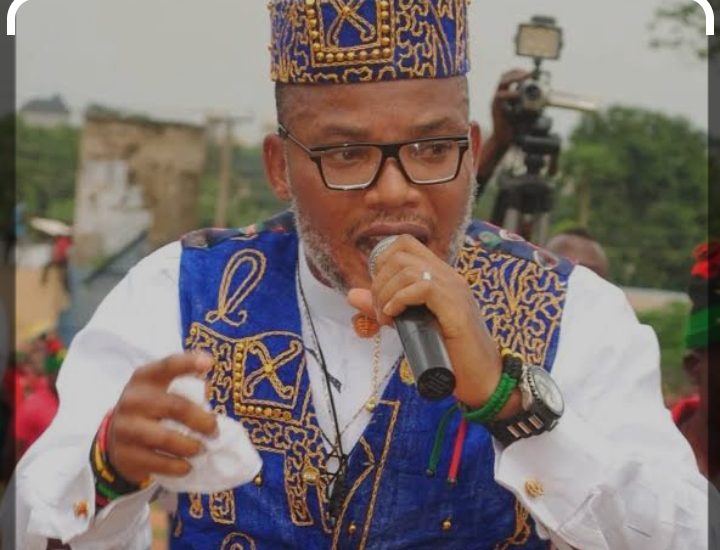
Over the years, several government agencies have been accused of ignoring court rulings, including the cases of Nnamdi Kanu, the detained leader of the Indigenous People of Biafra (IPOB), and the Islamic cleric Sheikh Ibrahim El-Zakzaky.
Both men were granted bail multiple times by Nigerian courts, yet continued to be detained under various pretexts.
The re-arrest of Sowore, critics argue, adds to this growing list of high-profile cases that undermine public trust in the justice system.
Civil Society and Global Reaction
The news of Sowore’s re-arrest spread quickly on social media, triggering a wave of condemnation from within and outside Nigeria.
Pro-democracy groups such as Take It Back Movement, Concerned Nigerians, and Coalition for Revolution (CORE) have called for his immediate release, describing his detention as a clear act of intimidation.
International observers and journalists’ unions also voiced concern.
In a statement, Committee to Protect Journalists (CPJ) noted that “the continuous harassment of Omoyele Sowore represents an alarming trend of media suppression and disregard for fundamental freedoms.”
The United States Embassy in Nigeria has also in the past urged the government to respect the rights of journalists and activists, reminding authorities that freedom of expression remains a cornerstone of democratic governance.
Public Opinion: Nigerians Divided but Concerned
While some government loyalists defend the security agencies’ actions, claiming Sowore’s activism sometimes “crosses the line,” a vast majority of Nigerians on social media see his re-arrest as a dangerous precedent.
Comments on X (formerly Twitter) and Facebook show widespread frustration, with many calling on President Bola Tinubu’s administration to avoid repeating the mistakes of past regimes.
“Every time Sowore is arrested, it feels like Nigeria moves one step backward,” wrote a user identified as @NaijaCitizen. “We can’t claim to be a democracy when peaceful activism becomes a crime.”
Legal Implications: What Next for Sowore?
Sowore’s legal team has vowed to challenge the re-arrest in court, describing it as unconstitutional and an affront to the rule of law.
According to one of his lawyers, the police acted without a valid warrant, effectively rendering the arrest illegal.
Analysts predict a drawn-out legal battle, with the possibility of new charges or prolonged detention.
The Nigerian judiciary now faces a crucial test — whether it can assert its independence and stand by its earlier ruling or succumb to executive pressure.
Nigeria’s Image on the Global Stage
Nigeria’s reputation as a democratic nation has been repeatedly questioned due to recurring cases of unlawful detentions and clampdowns on dissenting voices.
In recent years, the country’s press freedom ranking has declined, with watchdog groups citing harassment, censorship, and government intimidation of journalists and activists.
The Sowore case once again puts Nigeria under international scrutiny.
Western governments and human rights organizations are closely watching how the Tinubu administration handles the situation, as it could influence future diplomatic relations and aid partnerships.
Why Sowore’s Arrest Matters Beyond Politics
Beyond the headlines, Sowore’s case symbolizes a deeper crisis — the struggle for civic space and accountability in Nigeria.
When the courts’ authority is undermined, and when peaceful protesters face criminalization, the very foundation of democracy becomes shaky.
Experts warn that this pattern could discourage civic engagement, silence independent journalism, and embolden authoritarian tendencies within the state.
“Democracy is not just about elections,” noted Prof. Aisha Abdullahi, a political scientist at the University of Lagos. “It’s about allowing citizens to speak truth to power without fear. The moment that freedom disappears, we all become victims.”
Voices of Support and Solidarity
Across Nigeria and the diaspora, activists, lawyers, and civil society organizations have continued to rally behind Sowore.
Vigils and peaceful protests have been planned in Lagos, Abuja, and New York to demand his unconditional release.
On social media, hashtags like #FreeSoworeNow and #JusticeForSowore have trended, signaling a growing movement for accountability and human rights protection.
Supporters argue that the fight for Sowore’s freedom represents the broader struggle of millions of Nigerians who have suffered from police brutality, corruption, and political repression.
A Test for President Tinubu’s Commitment to Democracy
President Bola Tinubu’s administration has promised reforms, economic recovery, and a renewed commitment to democratic governance.
However, incidents like the re-arrest of Sowore threaten to overshadow those promises and reinforce public skepticism about whether Nigeria’s democracy is truly evolving.
Observers believe Tinubu now faces a defining moment — whether to uphold the rule of law or allow his government to continue down a path that mirrors the excesses of past regimes.
The Road Ahead
As of the time of this report, Sowore’s legal representatives are pursuing urgent applications for his release. Civil rights organizations have also vowed to escalate the matter to regional and international human rights bodies if necessary.
The outcome of this case will likely shape Nigeria’s democratic discourse for years to come.
Whether the government respects the court’s decision or continues to defy judicial orders will determine how committed Nigeria remains to the ideals of freedom, justice, and democracy.
Conclusion: The Power of Public Pressure
History shows that public pressure can make a difference. Sowore’s 2019 release only happened after massive protests, international outcry, and widespread condemnation.
The same may hold true again, as Nigerians continue to demand transparency, accountability, and respect for the law.
If the government fails to heed these calls, it risks alienating its citizens and eroding the moral legitimacy that every democracy requires to survive.
About the Author
Smart Chuks is a political analyst, investigative writer, and media strategist based in Nigeria. He writes extensively on governance, human rights, and civic participation across Africa. His works have been featured on multiple platforms advocating for transparency and good governance.
Email: smartchuks@saharanews247.com