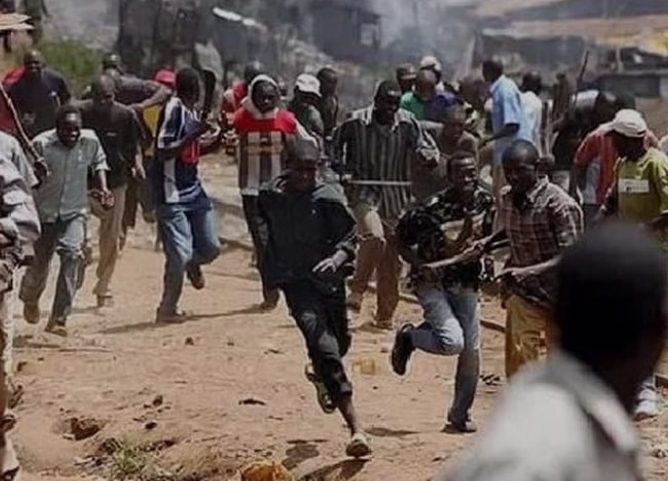
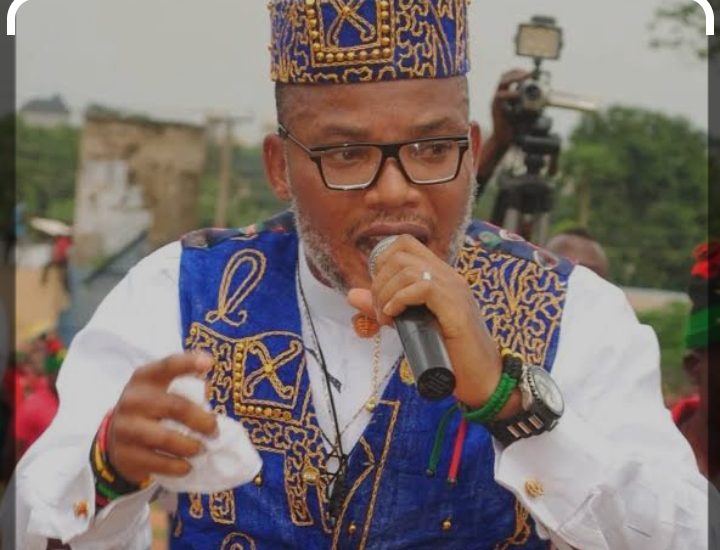
In a landmark decision that has captured national attention, Omoyele Sowore, Emmanuel Kanu, and their lawyer were granted bail following their arrest during a peaceful demonstration in Abuja. This development is significant not only for the individuals involved but also for Nigeria’s broader democratic fabric, the rule of law, and ongoing discussions surrounding civil liberties and human rights in Nigeria.
Background: The Arrest and Its Context
The arrest of Sowore, Emmanuel Kanu, and their lawyer occurred amid heightened tensions surrounding the Nnamdi Kanu trial. Reports indicate that the trio had gathered at the Federal High Court in Abuja to show support for Kanu, leader of the Indigenous People of Biafra (IPOB), who has been at the center of national controversy due to his detention and charges related to alleged terrorism and secessionist activities.
During the demonstration, police reportedly used force to disperse protesters, resulting in the arrests. This action immediately sparked national outrage and raised questions about the protection of peaceful assembly under the Nigerian constitution.
The Court’s Ruling: Granting of Bail
After several days of detention, the court granted bail to Sowore, Emmanuel Kanu, and their lawyer under reasonable conditions. Observers describe the decision as a strong affirmation of constitutional rights, demonstrating that peaceful protest is protected under Nigerian law.
The presiding judge emphasized that citizens have the right to peaceful protest and that the criminal justice system should protect, rather than punish, lawful expressions of dissent. Legal analysts suggest that this ruling could serve as a precedent for future cases involving activists, journalists, and political dissenters, signaling a potential reassertion of judicial independence in Nigeria.
National Reactions
Human Rights Organizations
Human rights groups, including the Civil Liberties Organization (CLO), Amnesty International Nigeria, and FENRAD, commended the court’s decision. They emphasized that peaceful protest is a cornerstone of democracy and warned against the criminalization of civic activism. Several organizations also called for the unconditional release of Nnamdi Kanu, citing prolonged detention without adequate legal access as a violation of Nigerian and international human rights standards.
Ohanaeze Youth Council
The Ohanaeze Youth Council condemned the arrests as politically motivated and accused the government of attempting to suppress Igbo voices in national discourse. The council warned that such measures could exacerbate ethnic tensions and erode trust in federal institutions if left unchecked.
Public Response
Across social media platforms, reactions were polarized. Many Nigerians praised the court for affirming constitutional rights, while others questioned the initial arrests, seeing them as evidence of government overreach and selective enforcement of the law.
Significance of the Bail Decision
The granting of bail to Sowore, Emmanuel Kanu, and their lawyer carries deep implications for civil rights, democratic norms, and judicial integrity in Nigeria.
Reinforcing Judicial Independence
The ruling demonstrates that Nigeria’s judiciary can act independently, even under political pressure. Legal experts argue that this is essential to restore public trust in the courts and ensure that justice is impartial and accessible to all citizens, including activists and opposition figures.
Protecting Civil Liberties
By upholding the right to peaceful protest, the court reinforces a critical democratic principle: citizens must be free to express dissent without fear of arbitrary arrest. For Nigeria, where civic freedoms have often been under threat, this is a notable affirmation of constitutional guarantees.
Addressing Police Accountability
The arrests highlight ongoing concerns regarding the Nigerian Police Force’s approach to dissent. Experts stress that law enforcement agencies must prioritize protection over suppression, and the bail decision may encourage reforms in policing standards and human rights compliance.
The Nnamdi Kanu Factor
The case of Nnamdi Kanu, which triggered the demonstration, remains one of Nigeria’s most politically sensitive trials. Kanu has been detained for years and faces charges related to terrorism and secessionist activities. His detention has sparked widespread debate about ethnic minority rights, federal authority, and freedom of expression in Nigeria.
The arrest of individuals supporting Kanu, including Emmanuel Kanu and Sowore, amplified concerns that the government may be conflating activism with criminality, risking the erosion of democratic norms.
Expert Legal Analysis
Barrister Ifeanyi Ejiofor, Nnamdi Kanu’s lead counsel, emphasized the importance of the bail ruling, noting that the judiciary has reminded the government that no one is above the law. While Sowore and Emmanuel Kanu face charges, their rights to bail and fair trial are constitutionally protected.
Legal experts argue that continuous harassment of activists and lawyers could lead to national and international condemnation and undermine Nigeria’s credibility on human rights and democracy.
Political Implications
The arrest and subsequent bail of Sowore and Emmanuel Kanu have broader political implications. Observers suggest that such incidents may:
Fuel public distrust in institutions, particularly the judiciary and law enforcement.
Intensify ethnic and political tensions, especially among Igbo communities.
Shape civic activism by testing the limits of peaceful protest in Nigeria.
Media and International Attention
The arrests have drawn international scrutiny, with global media highlighting tensions between Nigeria’s government and civil society. Analysts suggest that the bail ruling may serve as a signal that, despite challenges, Nigeria’s judiciary can uphold civil liberties.
Future Outlook
While the bail decision provides a temporary reprieve, broader issues of freedom of expression, peaceful protest, and judicial independence remain unresolved. Key areas to monitor include:
Nnamdi Kanu’s ongoing trial and its implications for federal authority and ethnic minority rights.
Calls for police and security reform, particularly regarding treatment of protesters.
The role of civil society in advocating for stronger protections for journalists, lawyers, and political dissidents.
Potential government engagement and dialogue with groups like IPOB to reduce conflict.
Conclusion
The bail granted to Omoyele Sowore, Emmanuel Kanu, and their lawyer represents more than legal relief. It symbolizes the resilience of Nigeria’s democratic institutions and the enduring importance of civil liberties. While challenges remain, including ethnic tensions and concerns over judicial independence, the ruling underscores the principle that democracy thrives when citizens can express dissent without fear of persecution.
Author Bio
Smart Chuks is a Nigerian journalist, political analyst, and human rights advocate. He writes for SaharaNews247, covering politics, governance, and social justice issues across Africa. His work focuses on promoting democracy, civic engagement, and media transparency.