
Date: July 31, 2025
Author: SaharaNews247 Editorial Team
Category: Africa | Politics | Security | Border Disputes
—
Border Crisis Escalates Between Uganda and South Sudan
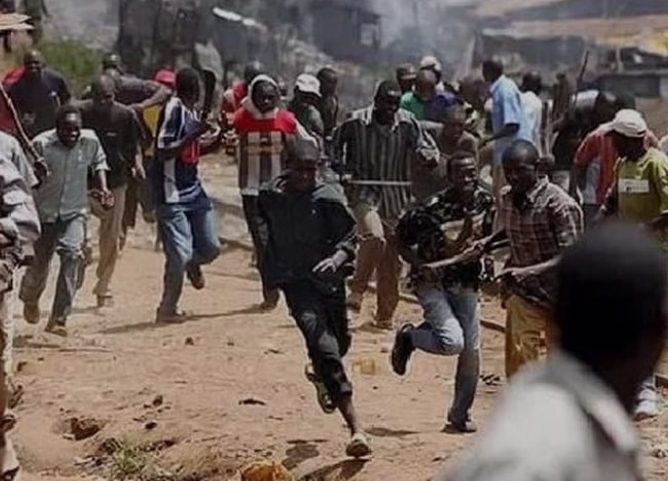
A deadly firefight between troops from South Sudan and Uganda has left at least six soldiers dead, marking a significant escalation in border tensions between the two East African neighbors. The incident took place earlier this week in the volatile region near the disputed boundary between Yumbe District in Uganda and Kajo Keji County in Central Equatoria State, South Sudan.
According to official reports, five South Sudanese security personnel and one Ugandan soldier lost their lives in the clash. Military and local sources have confirmed the confrontation, which has once again spotlighted unresolved border disputes and the fragile state of regional peace.
—
What Triggered the Clash?
The conflict reportedly began when troops from the South Sudan People’s Defence Forces (SSPDF) allegedly crossed into Ugandan territory. The Ugandan People’s Defence Forces (UPDF) responded with force, leading to a firefight that resulted in casualties on both sides.
Ugandan military spokesperson Brig. Felix Kulayigye confirmed the loss of one UPDF soldier and claimed their forces acted in defense. Meanwhile, South Sudanese officials from Central Equatoria State reported retrieving the bodies of five fallen officers and called for a thorough investigation into the incident.
—
The Strategic Importance of the Border Region
The Kajo Keji–Yumbe corridor is more than a geographical boundary. It is a vital economic and humanitarian link between the two countries. The area hosts returnees, refugees, and local communities who depend on cross-border trade and stability.
However, the region remains heavily militarized due to historic tensions and lacks clearly marked international boundaries. In past years, sporadic clashes and land disputes have fueled hostilities, but this latest incident is the most serious in recent memory.
—
Historical Background: A Longstanding Issue
Since South Sudan gained independence from Sudan in 2011, the demarcation of its borders has remained a contentious issue, not only with Sudan but also with its southern neighbor, Uganda. While the two nations have maintained relatively strong diplomatic ties, including military cooperation, incidents like this reveal deep-rooted challenges.
Uganda has been a key ally of South Sudanese President Salva Kiir, even deploying troops in past years to help quell internal rebellions. In March 2025, Uganda again confirmed the deployment of special forces to South Sudan, a move that sparked renewed debate over sovereignty and military coordination.
—
Official Reactions and Calls for Calm
Both Kampala and Juba have responded with restraint following the confrontation. Uganda has called for a ceasefire and proposed a joint investigation into the cause of the clash. South Sudan’s government has echoed the call for calm and reiterated its commitment to peace.
Local leaders in Central Equatoria and Yumbe have urged both national governments to engage in open dialogue and prioritize peaceful solutions. Civil society organizations have also called for greater transparency and cross-border cooperation to prevent further loss of life.
—
Regional Implications
Analysts warn that unresolved border issues, if left unchecked, could have far-reaching consequences for regional security. The East African Community (EAC), of which both countries are members, may need to play a more active role in mediating the situation.
There is also concern that future incidents could disrupt humanitarian efforts in the region, including the movement of refugees and access to aid. The presence of armed groups and ethnic militias along the border only adds to the complexity of the situation.
—
What Experts Are Saying
Security analysts believe the clash underscores the urgent need for a formal and transparent border demarcation process. According to Dr. Amina Yussuf, a regional security expert, the lack of clear boundaries and miscommunication among military units often lead to deadly misunderstandings.
“This is not just a military issue; it’s a political and humanitarian crisis waiting to happen. Without action from both governments and regional bodies, similar incidents are likely to occur again,” she warned.
—
The Path Forward
To avoid future tragedies, both Uganda and South Sudan must take tangible steps:
Finalize joint border demarcation with the help of the African Union and United Nations.
Establish communication channels between local military units to prevent unauthorized engagements.
Conduct regular joint patrols in high-risk border areas to build trust and ensure coordination.
Engage local communities and traditional leaders in peacebuilding efforts to reinforce non-violent conflict resolution.
With the right approach, both nations can transform this incident into an opportunity for long-term peace and cooperation.
—
Conclusion
The deaths of six soldiers in a preventable border clash are a painful reminder of how unresolved political and territorial disputes can escalate into tragedy. As calm returns to the border region, attention must now shift to proactive measures that address the root causes of these clashes.
Uganda and South Sudan must not only commit to peace on paper but also take the necessary diplomatic and security actions to safeguard lives and uphold regional stability. The world will be watching how they respond in the coming days.