
By SaharaNews247 Team
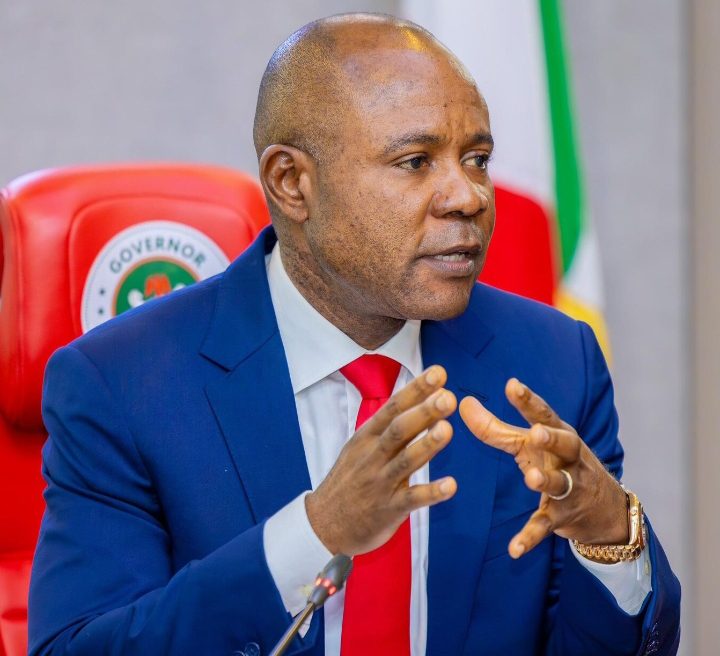
Governor Peter Mbah’s recent move to regulate herbalists and traditional medicine practitioners in Enugu State has sparked statewide conversations, as concerns grow over suspicious ritual activities and unregulated health practices in the region.
Traditional Medicine in Nigeria: Balancing Heritage and Health
Across Nigeria, herbalists and traditional healers are vital to healthcare, with the World Health Organization reporting that over 80% of Africans rely on traditional medicine for primary healthcare needs. In Enugu State, these practitioners address common ailments such as malaria, typhoid, infertility, and spiritual concerns, particularly in rural communities with limited access to hospitals.
However, the absence of regulation has opened the door to dangerous practices, with some individuals exploiting traditional medicine as a front for fraudulent and harmful activities.
Rising Fears Over Ritual Practices Linked to Herbalists
Recent reports in Enugu State have raised alarms over suspected ritual killings and spiritual cleansing scams linked to some herbalists. In a notable incident in Nsukka, local police discovered human parts believed to be tied to ritual activities under the guise of traditional healing.
These cases have fueled public fear, with community leaders and rights groups demanding government intervention to curb the misuse of cultural practices for criminal purposes.
Governor Mbah’s Response: A New Regulatory Framework
Governor Peter Mbah, while acknowledging the cultural and healthcare role of traditional medicine, emphasized the urgent need to protect residents from exploitation and unsafe practices.
In a recent stakeholders’ meeting, he announced plans to:
Register all herbalists operating in Enugu State
Conduct periodic inspections of herbal practice facilities
Offer mandatory health and safety training to practitioners
Collaborate with law enforcement to monitor and address suspicious activities
Governor Mbah stated:
“We value our cultural heritage and the important role of traditional medicine, but we cannot allow unregulated practices to endanger our people. Our administration is committed to ensuring that only qualified and genuine practitioners operate within our state.”
Mixed Reactions From Stakeholders
Traditional Medicine Practitioners:
Some practitioners see regulation as a positive step towards professionalism and credibility. Chief Okonkwo, a respected herbalist in Enugu, told SaharaNews247:
“Regulation will help us gain the trust of our people and differentiate real practitioners from fraudsters who tarnish our image.”
Others express concerns about possible high registration costs and bureaucratic challenges that could affect their livelihoods.
Public Health Advocates:
Health professionals and rights groups have welcomed the initiative. Dr. Adaobi Eze, a public health expert in Enugu, noted:
“Many herbal mixtures lack proper dosage control and quality checks. This move will help reduce the risks of poisoning and health complications associated with unregulated herbal products.”
What Residents Need To Know
As the regulation framework is developed, residents are encouraged to:
Verify the registration status of herbalists before seeking treatment
Seek medical advice from health professionals before using herbal remedies
Report any suspicious practices or suspected ritual activities to law enforcement
Residents should understand that while traditional medicine has benefits, misuse or unregulated practices can lead to serious health and safety issues.
Regulatory Challenges Ahead
Regulating traditional medicine in Enugu State will not be without challenges:
The informal nature of many herbal practices may make registration difficult
Cultural beliefs and community reliance on herbalists could result in resistance
Enforcement may be challenging in remote areas
To address these challenges, experts suggest engaging traditional leaders and herbal associations in designing a practical, culturally sensitive regulatory system that protects residents while respecting cultural practices.
Why Regulation Matters For Enugu And Nigeria
Across Africa, countries like Ghana and South Africa have implemented frameworks to integrate traditional medicine safely within healthcare systems. Nigeria’s National Policy on Traditional Medicine, adopted in 2007, provides guidelines, but state-level implementation has been slow.
Enugu State’s efforts could set a precedent for other Nigerian states by:
Enhancing public trust in traditional medicine
Reducing the misuse of herbal practices for criminal activities
Providing a pathway for the integration of verified traditional medicine into primary healthcare
The Road Ahead
Governor Mbah has directed the Enugu State Ministry of Health to draft the regulatory framework in collaboration with traditional medicine associations, community leaders, and public health professionals. Public sensitization campaigns will follow, educating residents on recognizing licensed practitioners and understanding safe herbal practices.
As the process unfolds, SaharaNews247 will continue to monitor developments, providing updates on policy progress, practitioner reactions, and impacts on community health and safety.
Frequently Asked Questions (FAQ)
What is the role of herbalists in Enugu State?
They provide alternative healthcare, particularly in rural communities, using traditional methods to treat common ailments and spiritual concerns.
Why is regulation necessary?
To ensure safety, prevent exploitation, and eliminate fraudulent or harmful practices linked to some herbalists.
Will traditional medicine be banned?
No, the goal is to professionalize and regulate the practice, not to eliminate it.
How will residents know licensed practitioners?
The government plans to issue licenses and create a public registry of approved herbalists.
Conclusion
Governor Mbah’s plan to regulate herbalists in Enugu State represents a critical step in balancing cultural heritage with public safety. If successfully implemented, it will protect residents while preserving the vital role of traditional medicine in the community.
SaharaNews247 will continue to provide updates as Enugu State moves forward with this regulatory initiative, ensuring residents remain informed about their health, safety, and cultural practices.