
By: Gloria Musa – SaharaNews247
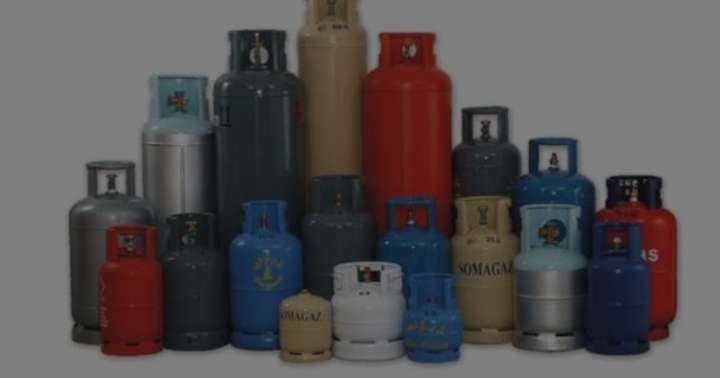
Residents of Abuja, Nigeria’s Federal Capital Territory (FCT), are facing a new wave of hardship as the scarcity of Liquefied Petroleum Gas (LPG), commonly known as cooking gas, grips the city. Prices have skyrocketed, with a 12.5kg cylinder now selling for between ₦18,000 and ₦21,000, up from ₦13,000 just weeks ago. The sudden increase has left many households, food vendors, and small businesses groaning under the weight of inflation and energy crisis.
The Rising Storm: How Cooking Gas Became a Luxury
In many parts of Abuja, the scarcity of cooking gas began subtly. At first, residents noticed shorter queues at filling stations, followed by sporadic closures of retail outlets. By mid-October, it became clear that this was not a temporary glitch but a worsening crisis.
Traders at the popular Nyanya, Kubwa, and Lugbe markets lamented that they could no longer get enough supply from distributors. One trader, Mrs. Patience Akor, who manages a small gas refilling shop in Kubwa, said:
“We used to refill 12.5kg cylinders for ₦12,500 last month, but now suppliers are selling to us at ₦18,000. We can’t sell below ₦20,000 if we want to make any profit. People now come and beg for half-cylinder refills.”
According to her, customers have drastically reduced their gas consumption, resorting to kerosene stoves and firewood, even in urban areas.
National Crisis: Supply Chain Disruptions and Import Dependence
Nigeria, despite being one of Africa’s largest natural gas producers, ironically depends on imported LPG to meet domestic demand. The country’s limited refining capacity, poor infrastructure, and dependence on dollar-priced imports have exposed consumers to international price volatility.
Energy experts link the current scarcity to several factors:
1. Foreign exchange crisis – The continued depreciation of the naira against the dollar has made gas imports extremely costly.
2. Logistics and port bottlenecks – Many gas terminals in Lagos are struggling with delayed shipments due to congestion and dollar-related payment hurdles.
3. Rising international prices – Global LPG prices have surged due to increasing demand in Europe and Asia as winter approaches.
4. Limited local production – Domestic refineries are yet to produce enough LPG for local consumption, leaving Nigeria vulnerable to external shocks.
According to the Nigeria LPG Association (NLPGA), over 65% of the LPG used in Nigeria is imported, making pricing unstable and directly tied to the dollar exchange rate.
Human Impact: Families Struggling to Cope
The ripple effect of the gas price hike is being felt across all income levels, but particularly among middle and low-income households.
Mrs. Hauwa Mohammed, a civil servant living in Gwarinpa, said she has cut down on how often her family cooks at home:
“We used to refill our 12.5kg cylinder every two weeks. Now it costs almost ₦21,000. I had to buy an electric cooker, but with the epileptic power supply, we often end up eating bread and tea for dinner.”
Similarly, food vendors are also feeling the heat. At the popular Wuse Market, small-scale food sellers have either increased prices or temporarily closed shop. One vendor, Mr. Ojo Fatai, said he now cooks with charcoal.
“It’s sad that we are going backward. Gas was supposed to be clean energy for all, but we are returning to firewood and charcoal. It’s affecting our profit and health.”
Environmental Implications: A Dangerous Return to Firewood
The shift from gas to firewood and charcoal poses a growing environmental concern. Experts warn that the rising cost of cooking gas could trigger deforestation and worsen climate change impacts in Nigeria.
The Federal Ministry of Environment has repeatedly cautioned that increased use of firewood contributes to forest depletion, carbon emissions, and respiratory illnesses among women and children.
Dr. Francis Eze, an environmental policy analyst, explained:
“Nigeria’s energy transition goal is under threat. Cooking gas scarcity and high prices discourage citizens from adopting cleaner energy sources. The result is more deforestation and greenhouse gas emissions, which affect climate resilience.”
This development contradicts Nigeria’s pledge under the Paris Climate Agreement to reduce carbon emissions and promote cleaner household energy use.
The Economic Burden: How Inflation and Forex Woes Intersect
Nigeria’s inflation rate, already hovering around 33.7%, has made basic commodities unaffordable. The spike in cooking gas prices adds to the growing list of essential goods beyond the reach of ordinary citizens.
The National Bureau of Statistics (NBS) reports that energy costs contribute significantly to inflation, affecting not only households but also restaurants, bakeries, and small-scale manufacturers who rely on LPG.
According to Dr. Amina Balogun, an economist at the University of Abuja:
“The cooking gas crisis is not isolated. It’s a reflection of Nigeria’s larger economic instability—foreign exchange shortages, weak industrial capacity, and policy inconsistency. Unless we fix these structural issues, similar crises will keep recurring.”
Government’s Response: Promises Amid Growing Anger
In reaction to the growing outrage, the Nigerian Midstream and Downstream Petroleum Regulatory Authority (NMDPRA) assured Nigerians that efforts were underway to stabilize supply. The agency said it was engaging importers and local producers to address logistics and forex bottlenecks.
However, many Nigerians doubt the government’s assurances. This is not the first time similar promises were made without tangible results. Civil society organizations have called for a comprehensive policy intervention, including incentives for local production and price regulation.
Comrade Tunde Salisu, a member of the Nigeria Labour Congress (NLC), said:
“The government must act fast. Energy is life. When people cannot afford to cook, it affects productivity and well-being. This is not just about cooking gas—it’s about survival.”
The Role of the Private Sector and Possible Solutions
Experts suggest that Nigeria can overcome recurring LPG crises by implementing strategic reforms, such as:
1. Expanding local production capacity – Encouraging private investors to build mini-refineries and gas plants to reduce import dependence.
2. Improving gas distribution infrastructure – Developing pipelines and storage facilities across the country to ensure consistent supply.
3. Subsidy reallocation – Redirecting existing fuel subsidies to support clean energy adoption and make LPG more affordable.
4. Stable forex policy – Easing access to foreign exchange for gas importers to reduce cost shocks.
5. Public awareness campaigns – Educating citizens on energy efficiency and safety while promoting alternative clean fuels like biogas.
If properly implemented, these measures could stabilize the market and prevent future scarcity.
A Broader Perspective: Energy Insecurity and Nigeria’s Economic Future
Nigeria’s cooking gas crisis is symptomatic of a larger problem—energy insecurity. From electricity shortages to petrol scarcity, Nigerians have lived with unstable energy supply for decades.
This recurring pattern undermines economic growth, scares investors, and increases poverty levels. For a country blessed with vast natural gas reserves—estimated at over 200 trillion cubic feet—the irony is stark.
Energy analysts argue that the Petroleum Industry Act (PIA), if fully implemented, could unlock investment in the gas sector and position Nigeria as a regional hub for clean energy. However, bureaucratic delays, corruption, and poor policy execution remain major obstacles.
Citizen Reactions and the Road Ahead
On social media, frustrated residents have taken to X (formerly Twitter) to express their anger. Hashtags like #GasCrisis, #AbujaGasScarcity, and #CostOfLiving have been trending, with many calling on the government to intervene.
Chika Umeh, a Twitter user, wrote:“We are tired of hearing promises. How can gas be more expensive than salary? People are literally cooking with firewood in the capital city!”
Civil society groups are urging the federal government to prioritize energy reforms as part of its economic recovery plan. Without urgent action, experts warn that the crisis could deepen before the end of the year, especially as the festive season approaches when demand typically spikes.
Conclusion: A Crisis Demanding Immediate Attention
The cooking gas scarcity in Abuja is more than an economic issue—it is a humanitarian and environmental concern. It underscores the fragility of Nigeria’s energy system and the urgent need for sustainable policy reforms.
Unless the government and private sector take decisive action, Nigerians will continue to pay the price of inefficiency and poor planning. For now, residents of Abuja can only hope that relief comes soon—before cooking a meal becomes a luxury only a few can afford.
Author Bio:
Gloria Musa is a journalist and energy affairs correspondent with SaharaNews247. She writes on national development, energy policy, and socio-economic issues affecting Nigerians.