
By SaharaNews247 Team
August 8, 2025
The Nation Watches Closely as Police Reveal Why Sowore is Still Detained
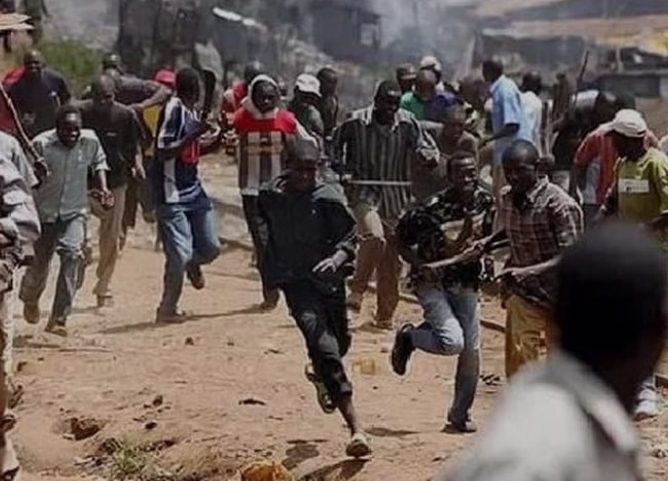
Abuja — The detention of prominent activist and publisher Omoyele Sowore has once again captured the nation’s attention. His extended stay in police custody has ignited waves of protests across Nigeria, with civil rights activists, political figures, and ordinary citizens demanding answers and justice.
In response to the mounting public pressure, the Nigerian Police Force took the rare step of addressing protesters directly in Abuja. The Commissioner of Police for the Special Intervention Squad, CP Abayomi Shogunle, provided a detailed explanation of the legal circumstances keeping Sowore behind bars. This unprecedented communication aims to clarify the police’s position amidst a charged atmosphere of accusations, fears, and calls for accountability.
What the Police Said: Two Legal Petitions and Refusal to Cooperate
According to CP Shogunle, Sowore’s detention is not merely a continuation of previous charges but is directly linked to two new formal petitions lodged against him. These petitions allege:
1. Forgery of a Police Document
Forgery is a serious offense under Nigerian law, particularly when it involves official police documentation. The police allege that Sowore falsified documents in a manner that compromises the integrity of law enforcement processes and obstructs justice.
2. Cyberbullying
The second petition accuses Sowore of engaging in cyberbullying—a criminal offense involving the use of electronic communication to harass, threaten, or intimidate individuals. In the digital age, cyberbullying laws have been strengthened globally to protect citizens, and Nigeria is no exception.
CP Shogunle emphasized that Sowore was presented with these petitions in the presence of his legal representatives, yet he declined to make any statements or cooperate during the interrogation process. This silence, the police argue, legally justifies his continued detention to facilitate thorough investigations.
Sowore’s Past and Its Influence on Current Events
Omoyele Sowore is no stranger to controversy. As a journalist, human rights activist, and founder of the online news platform Sahara Reporters, he has been a vocal critic of Nigerian governments for years. His activism has often put him at odds with authorities, resulting in previous arrests and detentions.
Sowore’s history of challenging political power, including leading mass protests under the banner of the “RevolutionNow” movement, has made him a polarizing figure. Supporters view him as a courageous defender of democracy and free speech, while detractors accuse him of fomenting unrest and disregarding the rule of law.
This polarized perception has intensified debates over his current detention, with many arguing that his arrest is politically motivated rather than grounded solely in legal reasoning.
Protesters’ Response: Calls for Immediate Release and Justice
Despite the police’s explanation, Sowore’s supporters remain steadfast. Thousands gathered in Abuja and other major Nigerian cities, holding peaceful demonstrations demanding his release. The protestors’ main points include:
The perception that Sowore is a political prisoner, detained for speaking truth to power.
Allegations that his detention amounts to an abuse of state power and violates fundamental human rights.
Demands for transparent investigations that respect due process and international human rights standards.
Sowore’s legal team has condemned the detention as unlawful, calling on the judiciary and Nigerian government to intervene and uphold the rule of law.
—
Legal and Political Implications for Nigeria
The Sowore case highlights significant challenges for Nigeria’s justice system and democratic institutions:
Rule of Law vs. Political Pressure: The case tests whether Nigerian institutions can operate independently in politically sensitive matters.
Freedom of Expression: It raises concerns about the boundaries of activism and government tolerance of dissent in a democracy.
Digital Rights: The cyberbullying petition underscores the evolving legal landscape around social media and digital activism.
Experts warn that how this case is resolved could set a precedent for future treatment of activists, journalists, and citizens exercising their constitutional rights.
International Attention and Human Rights Watch
International human rights organizations have expressed concern over Sowore’s detention. Groups such as Amnesty International and Human Rights Watch have called on the Nigerian government to ensure his safety and guarantee fair treatment in line with international law.
The case has drawn attention from global media, highlighting Nigeria’s ongoing struggle to balance security concerns with democratic freedoms. This international scrutiny adds pressure on Nigerian authorities to handle the case judiciously and transparently.
Conclusion: The Path to Justice Remains Fraught but Crucial
The Nigerian police have provided a concrete explanation for Sowore’s detention, citing legal petitions and his refusal to cooperate with investigations. However, the broader political, social, and human rights dimensions ensure that the debate will continue.
As protests persist and the nation watches closely, it remains imperative that all stakeholders uphold the principles of justice, transparency, and respect for human rights. How Nigeria navigates this challenge will have lasting implications for its democracy and rule of law.
SaharaNews247 remains committed to delivering timely, factual, and unbiased updates on this and related stories. Stay tuned for ongoing coverage.
About SaharaNews247:
SaharaNews247 is a leading news platform dedicated to comprehensive, accurate, and unbiased reporting on Nigeria and Africa’s most pressing issues. Join us for daily news, expert analysis, and in-depth features.