
By Chinedu Okoro
For SaharaNews247
Published: August 29, 2025
Meta title: PDP’s 2023 loss linked to zoning failure — Bala Mohammed explains; implications for 2027
Meta description: Bauchi governor Bala Mohammed says PDP lost in 2023 because it failed to zone the presidential ticket to the South. Here’s the full story, with analysis of the implications for 2027 and Nigeria’s political future.
Bauchi State Governor Bala Mohammed has openly linked the Peoples Democratic Party’s (PDP) defeat in the 2023 presidential election to the party’s failure to zone its ticket to southern Nigeria. His remarks, made during a television interview and in follow-up discussions, have ignited fresh debate about zoning, party strategy, and the future of Nigeria’s opposition politics.
This report examines what the governor actually said, the historical and political context, how zoning shaped the 2023 election outcome, and what this means as the PDP prepares for the 2027 general elections.
What Bala Mohammed Actually Said
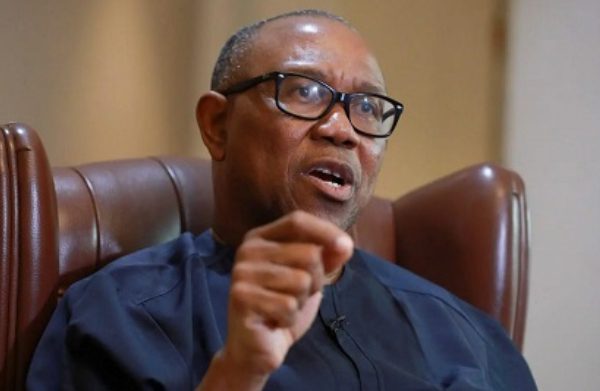
Governor Mohammed, who also chairs the PDP Governors’ Forum, explained on Channels Television’s Politics Today that the party’s experience in 2023 was “not a pleasant one.” He argued that the PDP’s decision to leave its presidential ticket open, rather than zoning it to the South, was a costly mistake that weakened the party’s chances.
According to him, the new zoning arrangement for 2027 is intended to correct that error and restore balance. He also emphasized the importance of choosing a candidate that reflects Nigeria’s religious and regional diversity, suggesting that the PDP should consider a southern Christian candidate in order to build wider national appeal.
The 2023 Election: A Quick Recap
The 2023 presidential race featured four major candidates: Bola Ahmed Tinubu of the APC, Atiku Abubakar of the PDP, Peter Obi of the Labour Party, and Rabiu Kwankwaso of the NNPP.
Tinubu ultimately emerged winner, while Atiku and Obi split a significant portion of the opposition vote. The election was fiercely contested, with allegations of irregularities, low voter turnout in some regions, and disputes over electronic transmission of results.
The outcome underscored the fragmented nature of Nigeria’s opposition politics — a factor that continues to shape conversations about PDP’s strategy moving forward.
Was Zoning Really the Deciding Factor?
Bala Mohammed’s claim is credible, but zoning alone does not explain the entire picture.
Regional expectations: Zoning has long been a political formula to maintain balance between North and South. By fielding a northern candidate in 2023, the PDP risked alienating southern blocs that expected the ticket. This created room for Labour Party candidate Peter Obi to attract disenchanted voters in the South and urban centers.
Opposition fragmentation: The rise of Obi’s Labour Party split the traditional PDP base, especially among younger and southern voters. Even if the PDP had zoned the ticket southward, it is uncertain whether Obi’s momentum could have been fully neutralized.
Identity politics: Religion and regional representation remain sensitive. Bala Mohammed’s call for a southern Christian candidate in 2027 highlights how these factors can sway national elections.
Election-day challenges: Administrative lapses, delayed uploads of polling results, and localized violence also affected voter turnout and margins across the country.
In short, zoning was an important factor, but it was part of a broader mix of issues that shaped the PDP’s defeat.
Implications for PDP’s 2027 Strategy
With the NEC’s decision to zone the 2027 ticket to the South, the PDP is signaling a return to its traditional balancing act. However, success will depend on more than zoning.
1. Rebuilding trust in the South: Southern constituencies will expect the PDP to follow through on its promise. Choosing a candidate that resonates with the electorate will be crucial.
2. Managing northern interests: Zoning to the South may create discontent among northern aspirants. The PDP will need to manage this through inclusive negotiations, possibly by balancing the ticket with a strong northern running mate.
3. Containing the Labour Party effect: To avoid a repeat of 2023, the PDP must engage young and urban voters who rallied behind Peter Obi. Without this, the opposition vote could remain fragmented.
4. Strengthening grassroots operations: Beyond candidate selection, PDP must strengthen its electoral machinery, from campaign messaging to election-day logistics, to secure real victories that can withstand legal scrutiny.
What to Watch Ahead of 2027
The PDP’s national convention and primaries will show whether the zoning decision holds firm or faces internal pushback.
The emergence of potential southern candidates — and whether the party can rally behind one figure without deep divisions.
The Labour Party’s trajectory and whether it consolidates or fractures before 2027.
APC’s strategy in defending incumbency and whether it faces internal divisions of its own.
Conclusion
Bala Mohammed’s statement that the PDP lost the 2023 election due to zoning failure resonates with many within the party and across Nigeria’s political class. Zoning was indeed a factor, but not the sole reason for PDP’s defeat.
As 2027 approaches, zoning offers the PDP an opportunity to rebuild regional trust, but the real test lies in candidate credibility, coalition-building, and addressing voter concerns about governance and accountability. For Nigeria’s democracy, these choices will shape not only the fate of the PDP but also the balance of political power in the years ahead.
Author Bio
Chinedu Okoro is a political analyst and senior correspondent at SaharaNews247 with over a decade of experience covering Nigerian elections, governance, and party politics.