Alarming Figures Expose Deep Gaps in Child Protection and the Urgent Need for Reform
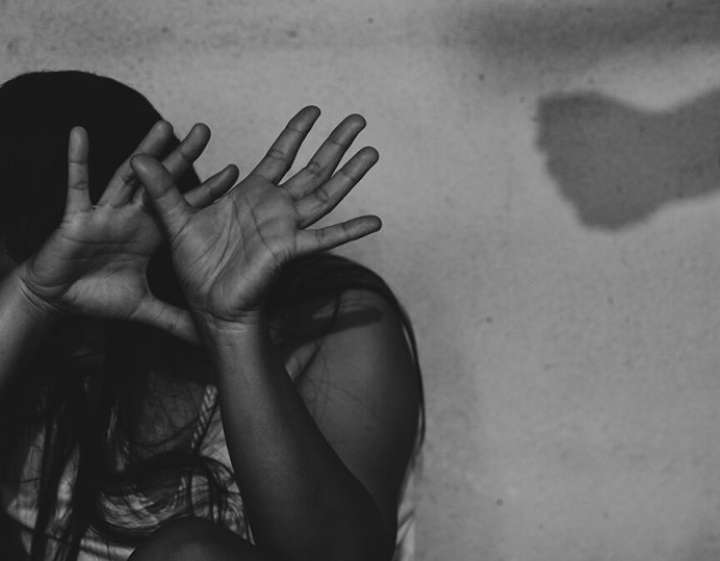
Between September 2024 and August 2025, the Lagos State Domestic and Sexual Violence Agency (DSVA) documented a shocking number of abuse cases. Out of 8,692 survivors who sought help, 3,629 were children, and over 2,200 were girls.
The DSVA’s Executive Secretary, Titilola Vivour-Adeniyi, revealed the statistics while highlighting the growing threat of domestic and sexual violence across the state. The numbers expose a heartbreaking reality: despite increased awareness, thousands of girls in Lagos continue to face physical, sexual, and emotional abuse every year.
Understanding the Statistics
The DSVA’s report paints a grim picture of child protection in Lagos.
While over 8,000 survivors accessed the agency’s services, the 2,213 girls recorded represent just a fraction of the actual cases, as many incidents go unreported due to fear, stigma, or distrust in the justice system.
What the Figures Mean
Help-seeking vs. reality: The reported cases reflect only those who reached out for help. The true number of victims is likely far higher.
Rising service demand: With nearly 9,000 cases in one year, the DSVA faces growing pressure on its shelters, counselling centers, and referral units.
Younger children at higher risk: Many victims are aged between 0 and 9 years, a group especially vulnerable to abuse by trusted adults or caregivers.
Gendered vulnerability: Girls accounted for roughly 60% of all child survivors, underscoring how abuse remains heavily gendered in nature.
Why So Many Girls Are at Risk
Several overlapping factors contribute to the high number of abuse cases in Lagos. Understanding these root causes is key to addressing the crisis effectively.
1. Economic Hardship and Family Stress
Poverty increases family tension, reduces supervision, and sometimes forces parents to leave children in unsafe hands. Economic hardship can also drive early child labor, exposing young girls to predators.
2. Gender Inequality and Harmful Cultural Norms
In some communities, outdated beliefs about female obedience and male dominance still persist. Such attitudes often silence victims and allow abusers to escape accountability.
3. Stigma and Underreporting
Victims of sexual and domestic violence frequently face shame and victim-blaming. This culture of silence prevents many survivors and families from seeking justice or therapy.
4. Weak Child Protection Systems
Although DSVA provides vital services, Lagos still lacks adequate shelters, trained therapists, and forensic facilities. This limits timely response and proper rehabilitation for survivors.
5. Poor Oversight of Childcare and Domestic Work
Many children are left with unregulated caregivers or domestic workers without background checks. This creates conditions where abuse can occur unnoticed.
Government Response and Existing Efforts
The Lagos State Government, through DSVA, has expanded its intervention mechanisms. The agency now operates both physical walk-in centers and a Virtual Referral and Response Service (VRRS) to reach more survivors.
It has also intensified public sensitization campaigns during the Domestic and Sexual Violence Awareness Month, aiming to break the culture of silence and promote reporting.
Despite these efforts, gaps remain:
Limited capacity: The current infrastructure cannot fully handle the rising number of survivors.
Justice delays: Many cases collapse due to weak investigations or lack of forensic evidence.
Data limitations: Detailed, publicly available statistics are still insufficient to guide targeted interventions.
The Human Cost Behind the Numbers
Every statistic represents a real child whose life has been forever altered. Survivors of abuse often battle long-term trauma, depression, low self-esteem, and, in some cases, physical injuries or sexually transmitted infections.
Many girls drop out of school after abuse, losing their education and future opportunities. Without proper therapy and reintegration support, the psychological scars can last a lifetime, perpetuating cycles of poverty and vulnerability.
Pathways to Prevention
To reverse the trend, Lagos must strengthen prevention, protection, and accountability mechanisms. The following actions are crucial:
1. Community Awareness and Behavioral Change
Public education campaigns targeting parents, teachers, religious leaders, and transport workers can help shift harmful attitudes. People must learn to recognize, report, and condemn abuse rather than hide it.
2. Expansion of Child-Centered Services
There is a growing need for more child-friendly shelters, trauma counselors, and play therapists. Mobile outreach teams should serve remote and low-income communities.
3. Strengthening Reporting Channels
Hotlines, mobile apps, and community reporting systems should be easy to access and guarantee confidentiality. The DSVA helpline must be widely publicized and trusted.
4. Improved Law Enforcement and Forensic Capacity
Swift investigations, forensic documentation, and specialized family courts will increase conviction rates and deter offenders. Police officers must be trained in handling child-sensitive cases.
5. Regulation of Caregivers and Schools
The government must enforce strict background checks for childcare workers, teachers, and domestic staff. Informal daycare centers should be monitored and licensed.
6. Empowering Families Economically
When families are financially stable, children are safer. Social welfare programs and targeted economic empowerment for mothers can indirectly reduce the risk of abuse.
The Role of Schools, NGOs, and Media
Schools
Teachers and school counselors are often the first to notice signs of abuse. They should be trained to respond sensitively and refer cases to DSVA or child protection authorities immediately.
Non-Governmental Organizations
NGOs can complement government efforts by offering counseling, shelter, legal aid, and community outreach. Their proximity to grassroots communities makes them vital allies in prevention and rehabilitation.
The Media
Responsible journalism is essential. Outlets like SaharaNews247 must continue to report these stories sensitively — highlighting the crisis, advocating for reform, and amplifying survivor voices without compromising their dignity.
The Legal and Policy Landscape
Nigeria’s Child Rights Act and the Violence Against Persons Prohibition (VAPP) Law provide strong legal frameworks to protect children. Lagos State has adopted similar legislation, but enforcement remains weak.
Many survivors still encounter insensitive police handling, slow court processes, and community pressure to withdraw complaints. The solution lies not in new laws, but in implementing existing ones effectively and consistently.
What Survivors and Families Should Know
Anyone who experiences or witnesses abuse in Lagos can reach the Lagos DSVA through its walk-in centers or virtual service platforms. Immediate medical attention, psychological support, and legal assistance are available.
It’s crucial to report cases promptly to preserve evidence and prevent further harm. Families and communities must also support survivors instead of shaming them.
Accountability: Shared Responsibility
Ending child abuse requires joint effort.
The Lagos State Government must allocate more funding to DSVA, expand shelters, and strengthen forensic and judicial systems.
Law enforcement agencies must fast-track investigations and handle survivors with compassion.
Community leaders and citizens should speak out, report abuse, and challenge cultural practices that enable violence.
A Moment of Truth
The DSVA’s revelation that over 2,200 girls suffered abuse in just one year is a wake-up call for Lagos and Nigeria as a whole. It is not simply a number—it represents shattered childhoods, broken trust, and an urgent call to action.
Lagos has made progress in awareness and intervention, but without stronger protection systems, more children will continue to suffer in silence. Protecting every girl must become not just a policy priority but a moral and social duty shared by all.
Author Bio
Chinedu Okafor is an investigative journalist based in Lagos, specializing in child protection, social policy, and governance. He has covered stories on gender-based violence and human rights across Nigeria. Contact him via editorial@saharanews247.com.