
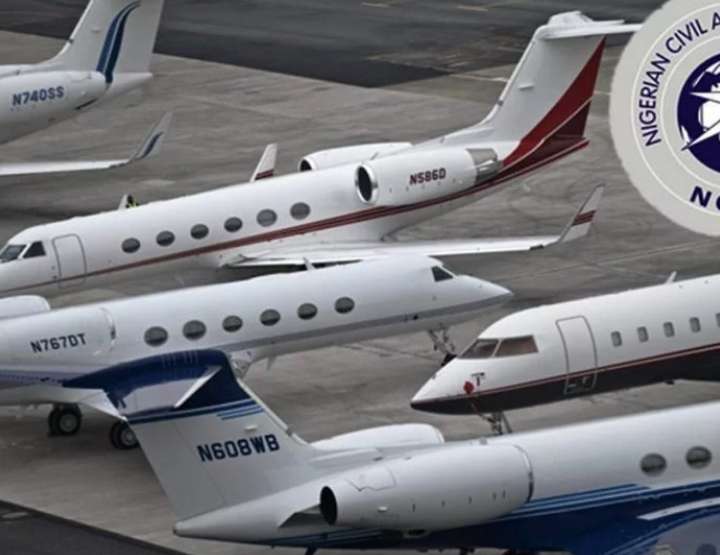
The Nigerian Civil Aviation Authority (NCAA) has stepped forward to clarify details surrounding a recent controversy involving Emmason Airport, following a passenger complaint that sparked heated debate in the aviation sector. The regulatory body assured the public that the matter is under control and that all necessary measures are being taken to address the concerns raised.
Background of the Incident
The dispute began when a passenger, identified only as “BOM Air Passenger” in early reports, publicly accused airport authorities of mishandling operations and providing poor service. The claims quickly gained traction on social media, drawing widespread attention and prompting calls for a regulatory investigation.
According to the passenger, several issues were experienced at Emmason Airport, including alleged delays, inadequate communication from airport staff, and confusion over boarding procedures. While some travelers supported the passenger’s version of events, others argued that the incident had been exaggerated.
NCAA’s Official Response
In an official statement, the NCAA clarified that it had received the passenger’s complaint and was investigating the matter in line with established aviation regulations. The authority emphasized its commitment to ensuring that all Nigerian airports comply with safety, operational, and customer service standards.
The NCAA further explained that the incident, while unfortunate, did not pose any safety risk to passengers or flight operations. It urged the public to avoid spreading unverified claims that could harm the reputation of the aviation industry.
Emmason Airport’s Position
In response to the allegations, Emmason Airport management released its own statement, acknowledging there had been a delay but attributing it to unavoidable operational challenges. The management expressed regret over any inconvenience caused and assured passengers that steps were being taken to prevent a recurrence.
They also stressed that their staff had followed standard operating procedures, and that communication channels would be improved to better serve travelers in the future.
Public Reaction
Reactions to the incident have been divided. While some passengers and stakeholders commended the quick responses from both the NCAA and the airport management, others maintained that the passenger’s grievances reflected deeper issues in Nigeria’s aviation sector, such as infrastructure gaps, poor customer service, and flight delays.
Social media platforms became a hub for heated discussions, with hashtags related to the incident trending for hours. Aviation experts also weighed in, noting that such disputes highlight the need for ongoing investments in facilities and staff training.
Broader Aviation Challenges in Nigeria
The Emmason Airport row comes at a time when Nigeria’s aviation industry faces mounting pressure to modernize and improve service delivery. Challenges such as outdated infrastructure, inconsistent schedules, and operational inefficiencies have been cited as key concerns by both domestic and international travelers.
The NCAA has previously acknowledged these issues and rolled out reforms aimed at improving airport experiences. These include stricter service quality monitoring, regular audits of airport operations, and increased investment in technology-driven solutions.
NCAA’s Commitment to Passenger Rights
One of the NCAA’s primary responsibilities is to protect passenger rights under the Nigeria Civil Aviation Regulations (NCAR). The body reminded travelers that they have the right to lodge formal complaints if they experience service failures, and that such complaints are investigated thoroughly before any regulatory actions are taken.
The NCAA also encouraged passengers to use official complaint channels rather than relying solely on social media, as this ensures grievances are addressed effectively and documented for regulatory purposes.
Looking Ahead
While the Emmason Airport controversy has raised important questions about service delivery in Nigeria’s aviation sector, it has also provided an opportunity for dialogue and improvement. Both the NCAA and airport authorities have pledged to address the concerns raised, implement corrective measures, and strengthen communication with passengers.
Industry observers believe that consistent transparency, stronger passenger engagement, and adherence to global best practices will be crucial in preventing similar disputes in the future.
Conclusion
The NCAA’s swift intervention in the Emmason Airport row demonstrates the importance of regulatory oversight in maintaining service standards in Nigeria’s aviation industry. By balancing passenger rights with operational realities, the authority hopes to restore public trust while encouraging continuous improvement across the sector.
Passengers are reminded to remain informed about their rights, report grievances through official channels, and avoid the spread of unverified information. The outcome of the ongoing investigation will likely set an important precedent for how similar disputes are handled going forward.