Introduction
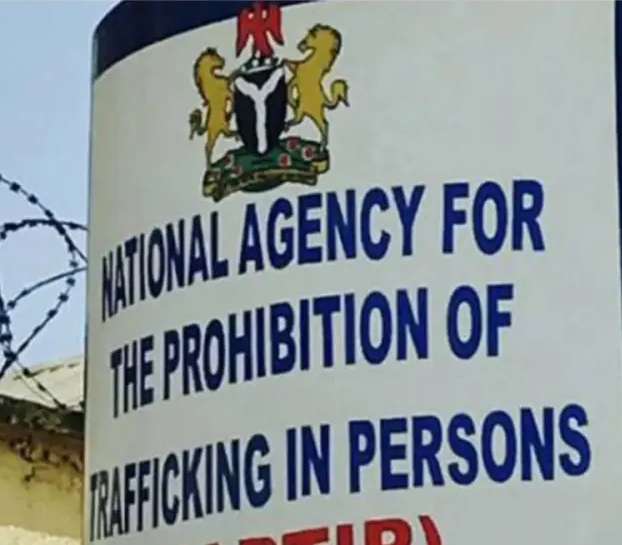
A heated controversy is unfolding in Nigeria following the rescue of eight children from a privately run orphanage in Asaba, Delta State. The National Agency for the Prohibition of Trafficking in Persons (NAPTIP), Nigeria’s foremost anti-human-trafficking agency, says the children were stolen from Kano and other northern states between 2017 and 2022.
Parents in Delta and neighboring regions strongly dispute this account, claiming that at least some of the children were never trafficked and instead belong to families in the South-East. They are demanding independent, court-supervised DNA testing before any relocation or reunification occurs.
This report pulls together verified information, legal and human-rights perspectives, and the key unanswered questions.
Key Facts Reported So Far
Rescue Operation in Asaba
NAPTIP, working with the Department of State Services (DSS), police, and Kano State officials, raided a private orphanage in Asaba. More than 70 children were removed, but eight were specifically identified as suspected trafficking victims originally from Kano.
Parents’ Outcry
Several parents claim their biological children were among those taken and have produced birth certificates and other documents as proof. They accuse NAPTIP of unlawful removal and demand DNA tests to confirm parentage.
NAPTIP’s Position
NAPTIP maintains that the eight children were trafficked from Kano and brought to Asaba by a criminal syndicate, framing the operation as a lawful rescue intended to reunite victims with their northern families.
No Public DNA Results Yet
As of this writing, no official DNA test results or court judgments have been released to confirm either side’s claims.
Nigeria’s Child-Trafficking Context
Nigeria is regarded by the United Nations Office on Drugs and Crime (UNODC) as both a source and destination country for human trafficking. Estimates suggest tens of thousands of Nigerian children fall victim annually to domestic servitude, forced labor, or illegal adoption.
Traffickers often move children across state lines, forging documents or using informal foster arrangements. Unsuspecting families seeking better opportunities for their children sometimes become unwitting participants.
NAPTIP was established in 2003 to combat these crimes. The agency routinely collaborates with DSS, the Nigeria Police Force, and international partners. Its successes, however, depend heavily on meticulous evidence handling and respect for due process.
Timeline of Events
2017–2022: According to NAPTIP, several children were reported missing from Kano and neighboring states during this period.
Mid-2025: Intelligence gathered allegedly linked some of those missing-child cases to the Asaba orphanage.
September 2025: NAPTIP and security partners executed the Asaba raid, removed dozens of children, and identified eight as possible Kano victims.
Immediately After: Parents and activists, including Nollywood actor Stanley Ontop, publicly demanded DNA testing and accused NAPTIP of overreach.
Two Conflicting Narratives
NAPTIP’s Version
Children were stolen in Kano and trafficked to Asaba by a syndicate. The operation was a legitimate, intelligence-driven rescue with security-agency backing. Plans are underway to reunite the children with biological families in the North once DNA and investigations confirm.
Parents and Activists’ Version
Some or all of the eight children belong to families in Delta or the South-East and were lawfully in the orphanage. They argue that NAPTIP acted beyond its authority, removing children without adequate verification. Independent DNA testing is essential before any relocation, and some children may suffer trauma if forcibly moved.
Legal and Human-Rights Questions
Due Process and Chain of Custody
Any removal of children requires court orders or legally documented consent. Without those, NAPTIP could face allegations of unlawful seizure.
DNA Verification
DNA testing is internationally recognized for parentage disputes, but it must be court-supervised and conducted by accredited labs to stand up in court and protect the children’s rights.
Best Interests of the Child
Even if biological parentage is proven, Nigeria’s Child Rights Act mandates that decisions prioritize the child’s welfare—considering stability, psychological health, and schooling.
Potential Criminal Liability
If the orphanage falsified records or traffickers indeed moved children across states, criminal prosecution is likely. Conversely, if any agency overstepped, affected families may pursue civil or criminal remedies.
Why DNA Testing Is Critical
Independent DNA testing serves three urgent purposes:
It provides indisputable verification of biological relationships.
It protects children from wrongful reunification and the trauma of being sent to the wrong families.
It gives courts solid evidence to assign custody or pursue criminal charges.
Until such tests are completed under judicial supervision, neither NAPTIP’s nor the parents’ narrative can be fully validated.
The Role of Orphanages and Oversight Gaps
Private orphanages play a vital role in Nigeria’s child-welfare system but are often under-regulated. Past investigations have exposed poor record-keeping, illegal adoptions, and insufficient government inspections. The Asaba case highlights the urgent need for transparent audits of orphanage records and stricter licensing requirements.
Broader Social Implications
Public Trust in Institutions
Incidents like this can erode trust in both law-enforcement agencies and child-welfare institutions if not handled with transparency.
Community Tensions
Because the case involves children allegedly moved between northern and southern states, there is potential for regional or religious tension. Public communication must remain factual and non-inflammatory.
Media Responsibility
Journalists must report with sensitivity, avoiding minors’ names and photos, while demanding accountability from all sides.
Recommended Next Steps
1. Immediate court-ordered DNA tests by an independent laboratory under judicial supervision.
2. A full audit of orphanage records, including admissions and transfer documents.
3. Comprehensive psychological support for the children before any reunification.
4. Transparent criminal investigations into any trafficking networks or procedural abuses.
5. Engagement of NGOs and respected community leaders as neutral observers to maintain public trust.
What to Watch in the Coming Weeks
Official court filings ordering DNA tests.
Public release of DNA results or verified court statements.
Details of any criminal charges against orphanage staff or alleged traffickers.
Independent commentary from child-protection NGOs and international bodies.
Conclusion
The Asaba orphanage case is a critical test of Nigeria’s capacity to combat child trafficking without violating the rights of children and families.
What we know: NAPTIP rescued eight children and claims they were stolen from Kano.
What remains unverified: Parentage of those children and the legality of their removal.
The next decisive step is a court-supervised DNA process, coupled with transparent audits and independent oversight. Only then can the truth be established and justice served.
Author Bio
By: Emeka O. Chukwu
Senior Investigative Reporter, SaharaNews247
B.A. (Hons) Mass Communication, University of Lagos
Emeka has nine years of investigative journalism experience focused on human rights and governance. He specializes in child-protection reporting and has collaborated with international NGOs to promote ethical coverage of minors.
Contact: emeka.chukwu@saharanews247.com