By Smart Chuks
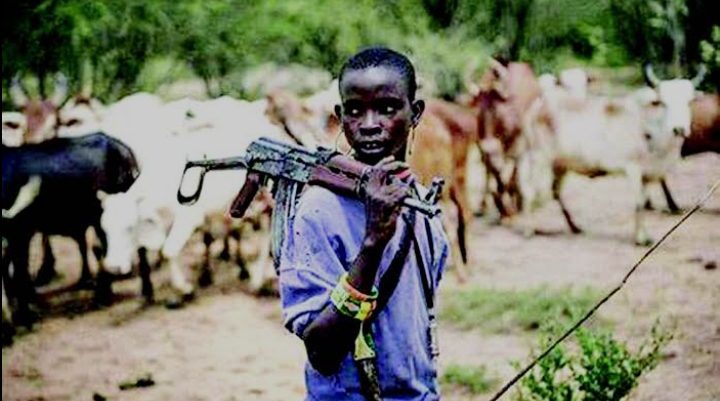
Plateau State, long celebrated for its scenic landscapes and cultural diversity, has, for decades, faced recurring communal violence that has left thousands dead, displaced countless families, and disrupted the social and economic fabric of the state. These conflicts, often rooted in ethnic, religious, and economic tensions, have become a persistent challenge for federal and state authorities alike.
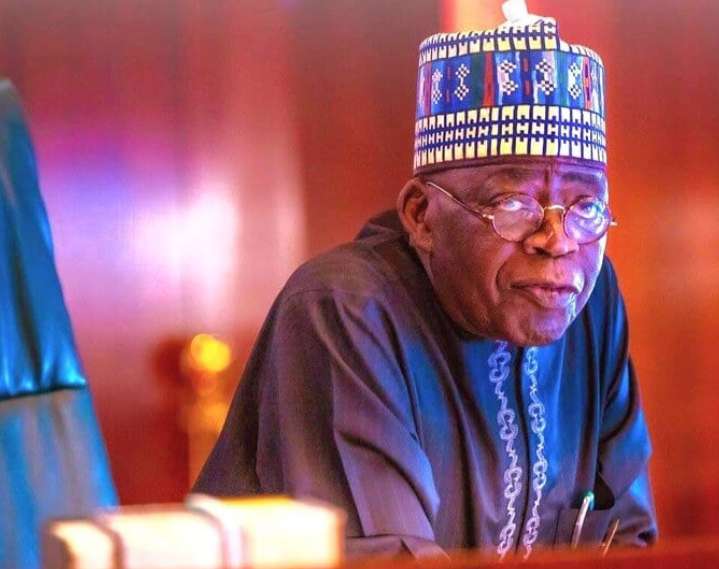
In response to this escalating insecurity, President Bola Ahmed Tinubu reportedly dispatched Dr. Abiodun Essiet, Senior Special Assistant on Community Engagement for the North Central region, to Plateau State as a federal emissary. His mission is to engage Christian and Fulani leaders in meaningful dialogue, mediate disputes, and foster a framework for sustainable peace. This initiative represents a shift from traditional military interventions toward a more inclusive, dialogue-driven approach to conflict resolution.
The central question is whether this initiative can genuinely break the long-standing cycles of violence or whether it will risk becoming another symbolic effort without lasting impact.
Plateau State: Understanding the Root of the Conflict
Plateau State has long been a flashpoint for ethno-religious tension in Nigeria. Its history of conflict is deeply intertwined with disputes over land ownership, grazing rights, political representation, and religious identity. Violence in the region has repeatedly escalated, leaving communities traumatized and mistrustful of government interventions.
Historically, Plateau’s conflicts have followed distinct patterns. From 2001 to 2004, early clashes between farmers and Fulani herders escalated into widespread ethnic violence, particularly in Barkin Ladi and Jos South. Hundreds were killed, and thousands were displaced from their homes. Between 2008 and 2012, retaliatory attacks continued, exacerbated by ineffective law enforcement, with government interventions focusing primarily on deploying security forces rather than addressing the underlying causes.
The period between 2015 and 2019 saw the rise of youth militias and vigilante groups, further increasing the scale and lethality of conflicts. Disputes over farmland, grazing rights, and political influence persisted, keeping the region on edge. From 2021 to 2023, despite temporary ceasefires and peace accords, attacks continued, highlighting a persistent cycle of displacement, property destruction, and heightened mistrust among ethnic and religious groups.
The core drivers of these conflicts extend beyond ethnicity and religion. Population growth, climate change, and resource scarcity have intensified competition over arable land and grazing areas. Pastoralists frequently encounter restrictions on grazing routes, while farmers insist on the protection of their farmland. Political exclusion, weak governance, and limited access to justice exacerbate tensions, creating a fertile environment for recurring violence.
Tinubu’s Federal Engagement: A New Approach
President Tinubu’s decision to send a federal emissary reflects a strategic shift in handling the Plateau crisis. Unlike previous administrations that emphasized military intervention or symbolic visits, this initiative focuses on dialogue, community engagement, and structured peacebuilding.
Dr. Essiet’s mandate includes understanding grievances from both Christian and Fulani communities, negotiating temporary ceasefires, establishing community-based peace structures across all 17 local government areas, and coordinating with security agencies to integrate community perspectives into broader security strategies. This approach underscores the importance of local ownership and structured dialogue in achieving lasting peace.
Timing and Urgency
The urgency of this initiative cannot be overstated. Recent months have seen intensified attacks on villages, farms, and travelers. The dry season, historically associated with heightened tensions, further increases the risk of violence. Thousands of residents have been displaced, with many living in makeshift shelters under difficult conditions.
Civil society groups, human rights organizations, and religious leaders have repeatedly criticized past federal inaction, pressing for sustainable solutions rather than temporary interventions. Analysts also suggest that President Tinubu seeks to demonstrate proactive governance early in his tenure, reinforcing public confidence and signaling that security challenges are being addressed strategically.
Stakeholder Reactions
Christian leaders welcomed the federal intervention but stressed that reconciliation must be accompanied by accountability. They pointed to the failures of previous peace accords, emphasizing that perpetrators of past attacks were not prosecuted, leaving victims skeptical of promises for lasting peace.
Fulani leaders viewed the initiative as a long-overdue opportunity to articulate their grievances. They highlighted attacks on their communities, livestock losses, and harassment by vigilante groups, urging federal authorities to provide protection and fair treatment.
Civil society organizations described the intervention as a positive step while cautioning that dialogue alone cannot resolve the conflict. Sustainable peace, they argue, requires transparent processes, justice for victims, disarmament of armed groups, and programs that address socio-economic vulnerabilities.
Security experts stressed that effective mediation depends on collaboration between communities and security agencies. Without accountability and enforcement, dialogue risks temporarily suppressing violence without resolving the underlying causes.
Community-Based Peace Structures: Promise and Challenges
A key component of Tinubu’s strategy is the creation of community-based peace structures in all 17 local government areas. These structures are designed to mediate disputes, monitor early warning signs of conflict, facilitate dialogue between different groups, and coordinate with security agencies to prevent escalation.
Challenges remain, including operational clarity, potential skepticism from communities affected by repeated violence, justice gaps for past attacks, and the risk of political interference. Addressing these challenges will be essential to the success of the initiative.
Recommendations for Effective Implementation
Experts recommend a comprehensive approach to ensure lasting success. First, there should be a transparent framework defining roles, timelines, and responsibilities for the peace structures. Adequate funding must be secured to allow independent operation, while civil society and neutral observers should monitor progress. Prosecution of perpetrators of past violence is critical to building trust, and collaboration between communities and security agencies must be strengthened. Finally, socio-economic programs targeting youth and vulnerable populations can help reduce the incentives for engagement in violence, addressing the root causes alongside immediate conflict resolution.
Potential Outcomes
If implemented effectively, the initiative could lead to a reduction in communal violence, stronger inter-community trust, improved collaboration with security agencies, and the establishment of a replicable model for other conflict-prone areas in Nigeria. Failure to implement these measures, however, risks only temporary calm, followed by renewed cycles of violence and diminished public confidence.
Broader Implications for Plateau and Nigeria
The Plateau initiative carries implications beyond local security. Politically, it demonstrates federal commitment to peace, enhancing governance credibility. Economically, stability encourages investment, protects livelihoods, and reduces humanitarian burdens. Socially, it strengthens inter-ethnic and inter-religious cohesion, while security improvements in Plateau prevent conflict from spilling over into neighboring states. Experts argue that successful implementation could position Plateau as a national model for conflict prevention and resolution.
Conclusion
President Tinubu’s decision to send Dr. Abiodun Essiet to engage Christian and Fulani leaders in Plateau represents a proactive, strategic, and dialogue-driven approach to a persistent national security challenge. While the initiative offers hope for reconciliation, its ultimate success hinges on implementation, accountability, and sustained commitment. Plateau residents, long accustomed to cycles of violence, remain cautiously optimistic, fully aware that real change requires action rather than promises.
If executed effectively, this initiative could transform Plateau from a symbol of recurrent conflict into a benchmark for community-driven peacebuilding in Nigeria, demonstrating that dialogue, transparency, and justice can work hand-in-hand to foster sustainable peace.
About the Author
Smart Chuks is a journalist, political analyst, and senior contributor at SaharaNews247. He specializes in national security, governance, and public policy reporting. With extensive experience covering conflict and peacebuilding across Nigeria, he delivers in-depth, fact-based analysis for readers seeking clarity on complex issues.