
Introduction
In late 2025, a fierce debate erupted in Nigeria following the public comments of Daniel Bwala, Special Adviser on Media & Policy Communication to President Bola Tinubu. Bwala strongly rejected the notion of a “Christian genocide” in Nigeria, arguing that the country’s security challenges are broad and not solely targeted at Christians. However, Christian youth organizations, faith leaders, and human rights watchdogs strongly criticized his denial, accusing him of misrepresenting the scale and nature of the violence.
This post critically examines the competing narratives, analyzes available data, and explores why this issue has become so charged. It also considers the political, social, and humanitarian implications of the ongoing violence.
Understanding the Context: Violence in Nigeria Is Complex
Before focusing on Bwala’s remarks, it is essential to understand the broader security context in Nigeria.
Multifaceted Security Challenges
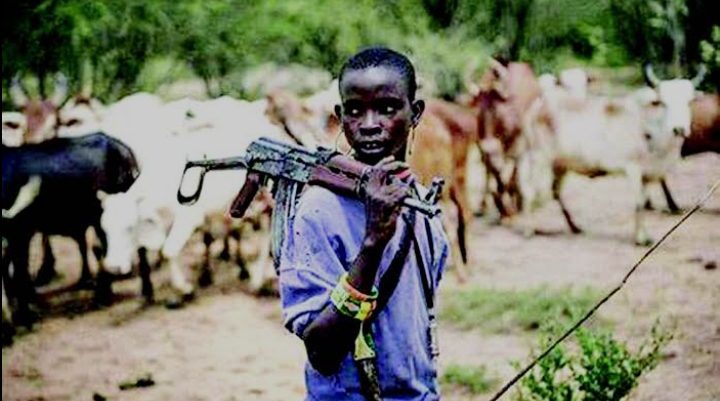
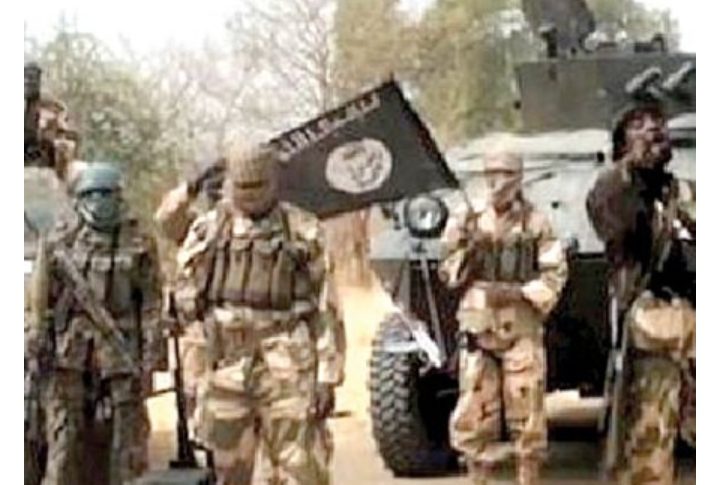
Nigeria faces a variety of overlapping security threats, including insurgency in the northeast, banditry, farmer–herder conflicts, and communal violence. These challenges are not solely along religious lines. While some attacks disproportionately affect Christians, other groups are also victims of violence, making it a multi-dimensional crisis.
Displacement and Casualties
According to multiple human rights organizations, Nigeria has experienced tens of thousands of violent deaths in the last few years. Millions have been displaced from their homes. Certain regions, such as the Middle Belt, Benue, Plateau, and Southern Kaduna, have seen recurrent violence disproportionately impacting Christian communities. These figures highlight the severity of the insecurity but also illustrate that violence affects multiple communities.
Reported Killings and the Data Debate
A major point of contention revolves around how many Christians have been killed and whether this constitutes genocide.
2025 Killings
Civil society groups reported that in the first 220 days of 2025, over 7,000 Christians were killed and nearly 8,000 abducted. These numbers suggest a daily average of 30 to 35 deaths, underscoring the intensity of the crisis. Additionally, thousands of churches have been attacked, looted, or closed, further exacerbating the vulnerability of Christian communities.
Long-Term Data
Since 2009, civil society groups estimate that over 125,000 Christians have died due to attacks, with hundreds of thousands displaced. While the figures are alarming, they rely heavily on NGO and church networks, raising questions about methodology and verification. Despite these limitations, there is a consensus that violence is widespread and disproportionately affects Christians in certain regions.
Disputed Claims
Some claims, such as Nigeria accounting for 90% of Christians killed worldwide, have been challenged by fact-checking organizations. While the death toll is high, such figures can be misleading. Experts urge caution, emphasizing the need for centralized, auditable data to substantiate any claims of genocide.
Daniel Bwala’s Position
Daniel Bwala has publicly denied that there is a Christian genocide in Nigeria, framing insecurity as a nationwide problem that affects all communities. His arguments include:
No Genocide: He asserts that the violence is not a coordinated effort to eliminate Christians and that many groups are affected.
Methodological Concerns: Bwala critiques reports claiming genocide, suggesting they rely on flawed methodologies and exaggerated numbers.
Political Motivation: He argues that some narratives are politically motivated, designed to advance domestic or international agendas.
Misrepresentation of CAN: Bwala claims that the Christian Association of Nigeria has been misquoted and that some statements attributed to the organization are inaccurate.
Christian Youths and Civil Society Pushback
Christian youth coalitions and organizations strongly rejected Bwala’s narrative, highlighting the following concerns:
Misrepresentation: Youth groups accuse Bwala of falsely attributing statements to CAN that were never made.
Denial of Suffering: They argue that his comments minimize real suffering, including deaths, displacement, and community destruction.
Insensitivity: Critics view his denial as insensitive, particularly in light of the high number of deaths in affected regions.
Call for Truth: Civil society groups demand transparency, accurate reporting, and government accountability to validate victims’ experiences and facilitate healing.
Case Study: The Yelwata Massacre
One of the most tragic events highlighting the debate is the Yelwata massacre in June 2025:
Between 100 and 200 Christians were killed in a two-day attack by armed gunmen.
Many victims were internally displaced persons living in a Catholic mission, highlighting the vulnerability of displaced communities.
Thousands of people were forced to flee their homes, compounding the humanitarian crisis.
The attack drew national and international condemnation, emphasizing the need for accountability and protection.
This event illustrates the human cost behind the statistics and demonstrates why many Christians perceive a pattern of targeted violence.
Evaluating the “Genocide” Label
The term genocide carries legal and moral weight. Accusing a government or group of genocide requires evidence of intent to destroy a particular group in whole or in part.
Arguments for the Label
High Fatality Rates: Thousands of reported deaths suggest a significant and disproportionate impact on Christian communities.
Targeting of Churches: Destruction and attacks on places of worship indicate potential religious motivation.
Displacement: Mass displacement supports claims of sustained persecution.
Regional Patterns: Certain states experience repeated attacks, indicating non-random targeting.
Arguments Against the Label
No State-Led Campaign: Critics argue the violence is perpetrated by non-state actors, not the government.
Mixed Motives: Land and resource disputes, as well as ethnic tensions, contribute to violence alongside religious motivations.
Data Limitations: Much of the evidence comes from NGOs and church networks rather than centralized verification.
Political Instrumentalization: Genocide narratives can be politically leveraged, risking exaggeration or misrepresentation.
Political and Social Implications
The debate over Christian genocide has significant political and social consequences:
Policy and Security: How the violence is framed influences government responses, including law enforcement, humanitarian aid, and resource allocation.
Religious Freedom: Recognizing the violence as persecution validates victims’ experiences and strengthens advocacy for protection.
Media Responsibility: Reporting must balance highlighting suffering with avoiding sensationalism that oversimplifies complex conflicts.
Trust in Institutions: Disagreements reflect broader issues of public trust in government, civil society, and reporting agencies.
Critical Analysis
Strong Evidence
High fatality rates and repeated attacks on churches demonstrate a targeted pattern of violence.
Displacement and regional recurrence highlight systemic vulnerabilities.
Civil society documentation, while not perfect, corroborates widespread harm to Christian communities.
Weaknesses
Lack of centralized, auditable verification challenges the accuracy of casualty figures.
Mixed motives make it difficult to classify all attacks as purely religious.
Labeling the crisis as genocide is legally complex and contested.
Recommendations
Nigerian Government
Establish independent, transparent mechanisms to investigate religiously motivated attacks.
Improve data collection and collaborate with civil society for accuracy.
Address root causes of violence, including land disputes and pastoralist-farmer conflicts.
Civil Society and Churches
Continue documenting incidents using standardized frameworks.
Engage in interfaith dialogue and peacebuilding.
Advocate for victims’ rights, including compensation and psychosocial support.
International Community
Support independent investigations and humanitarian assistance.
Encourage inclusive development projects addressing security and economic vulnerabilities.
Apply diplomatic pressure responsibly, recognizing the complexity of the situation.
Media and Advocacy Organizations
Report responsibly, distinguishing verified data from contested claims.
Highlight human stories to provide context.
Avoid sensationalism but ensure victims’ suffering is acknowledged.
Conclusion
The controversy surrounding Daniel Bwala’s denial of Christian genocide reflects deep tensions in Nigeria. On one hand, thousands of Christians have been killed, displaced, or had their places of worship attacked. On the other, the causes are complex, involving multiple actors, and the data have limitations.
The truth likely lies somewhere in between: the violence is real, the suffering is profound, and the risk of religious persecution is significant. However, labeling the situation as genocide requires careful, transparent, and independent investigation.
For victims, the debate is personal and urgent. For the government, addressing these challenges requires honesty, accountability, and proactive measures to protect vulnerable communities.
Author Bio
Chinedu Okeke
Chinedu is a Nigerian journalist and analyst specializing in faith, security, and human rights in West Africa. With over seven years of experience reporting for major media outlets in Lagos, he provides nuanced insights into complex issues at the intersection of religion and governance. He also volunteers with interfaith peacebuilding initiatives and mentors aspiring journalists in Nigeria.