By Smart Chuks
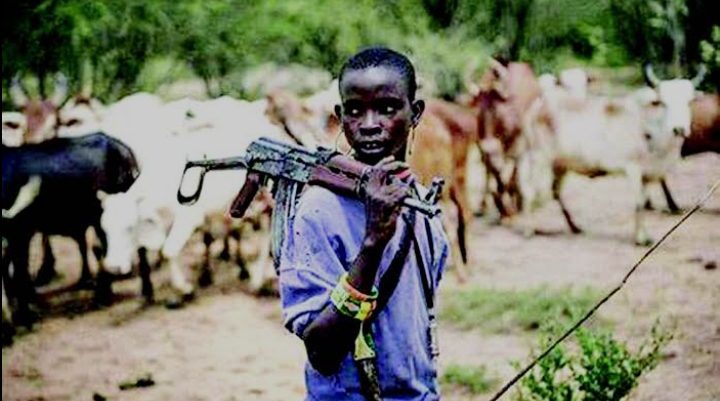
A fresh wave of violent attacks across Nigeria’s northern states is reigniting fears that the country is losing hard-won ground against insurgency, banditry and rural militancy. From Plateau to Borno and Benue, communities are being overrun, homes razed, farmlands abandoned and thousands of civilians forced into displacement, many accusing both state and federal authorities of failing to respond decisively to their suffering.
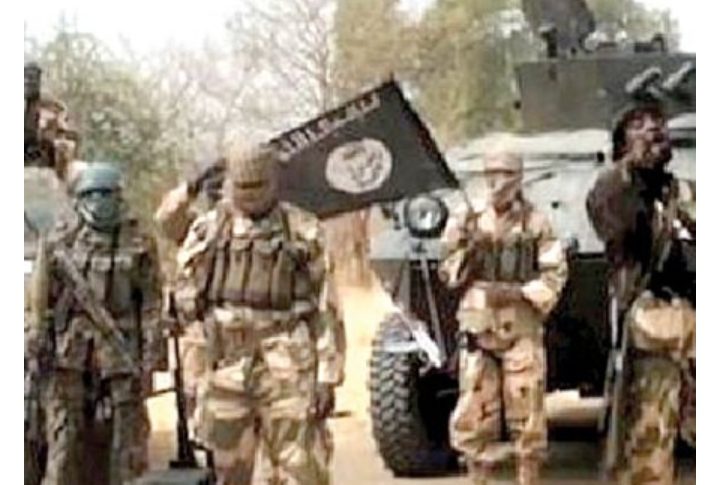
The renewed violence, involving Boko Haram insurgents, armed bandits and marauding gunmen, has left entire local government areas effectively ungoverned, according to local officials, traditional rulers and security stakeholders. The humanitarian toll is growing rapidly, with displaced families now sheltering in churches, makeshift camps and open spaces, often without food, bedding or medical care.
Plateau Under Siege as Communities Are Overrun
In Plateau State, the scale of the crisis has shocked residents and officials alike. Governor Caleb Mutfwang recently disclosed that no fewer than 64 communities had been taken over by armed groups. Attacks on April 2 across Hurti, Josho, Daffo and other villages in Manguna district of Bokkos Local Government Area left at least 52 people dead, with over 380 houses destroyed and nearly 1,800 residents displaced.
A visit to affected areas revealed ghost towns where daily life has ground to a halt. Survivors have fled en masse, leaving behind burnt homes, destroyed markets and abandoned schools. Many now crowd into churches for safety. Community leaders estimate that more than 6,000 displaced persons are currently sheltering in religious centres across Bokkos alone, sleeping on bare floors with limited access to food and sanitation.
Kefas Mallai, chairman of the Community Peace Observers in Bokkos, said the humanitarian situation is worsening by the day. He noted that entire communities such as Josho and Ganda are no longer accessible, while attacks have also spread to neighbouring Barkin Ladi and Riyom local government areas.
Borno’s Alarming Security Reversal
In the North-East, Borno State is facing what many fear is a dangerous resurgence of Boko Haram. Governor Babagana Zulum, speaking during a security meeting at the Government House, warned that renewed attacks and kidnappings were occurring almost daily without resistance, signalling that the state was losing ground to insurgents.
Traditional authority figures have echoed these concerns. The Shehu of Borno, Abubakar el-Kanemi, confirmed that Abadam, Marte and Guzamala local government areas were already under the control of insurgents, raising questions about the effectiveness of current security deployments.
The situation has drawn sharp reactions from federal lawmakers. Senator Ali Ndume, who represents Borno South, revealed that more than 252 attacks had been recorded in the state within five months, between November 2024 and early 2025. According to him, over 100 soldiers and nearly 300 civilians were killed within the same period, despite security forces neutralising hundreds of insurgents.
Ndume attributed the renewed violence to inadequate troop deployment and shortages of equipment and ammunition. He criticised official claims that security had significantly improved, describing the situation instead as stagnant and fragile. The senator urged the presidency to prioritise security, citizens’ welfare and economic stability, even suggesting a state of emergency in these critical areas.
Benue’s Rural Communities Emptying Out
In Benue State, long plagued by deadly rural violence, the pattern is equally disturbing. Governor Hyacinth Alia disclosed earlier this year that more than 1,000 households were displaced between late December 2024 and early January 2025 following coordinated attacks across several communities.
Local government officials and community leaders allege that over 100 villages across five local government areas have been occupied by armed groups. In Agatu Local Government Area, the council chairman, Melvin Ejeh, claimed that attackers openly hoisted flags after sacking communities, a move many residents interpret as a declaration of control.
For displaced families now living in camps, survival has become a daily struggle. At the Agagbe IDP camp in Gwer West, residents describe conditions as overcrowded and degrading. New arrivals register almost daily as attacks continue in surrounding villages.
Terna Ibaah, one of the displaced persons, said the camp’s facilities had been stretched beyond capacity. Children, he explained, now sleep under mango trees or on wrappers spread on bare ground, lacking mats, mattresses or proper shelter.
A widow who identified herself as Ugba-Kpa-Nyir recounted fleeing her village with her three young children after armed attackers killed seven people, including her husband. With no belongings and no livelihood, she now depends on the goodwill of other displaced residents to survive.
A Crisis Driven by Land, Resources and Governance Gaps
Community leaders and analysts point to deeper structural drivers behind the violence. Solomon Mwantiri, national president of the Berom Youth Moulders Association, linked the Plateau attacks to struggles over land and control of mineral-rich territories. Similar dynamics, observers say, play out across parts of Benue and the North-West, where weak state presence and contested resources create fertile ground for armed groups.
Despite repeated assurances from authorities, many affected residents say they feel abandoned. The slow pace of military response, limited humanitarian relief and lack of reconstruction efforts have eroded confidence in government protection.
A Growing Humanitarian Emergency
As violence spreads and displacement rises, humanitarian organisations warn of a looming crisis if urgent intervention is not scaled up. Beyond immediate security action, displaced families need food, shelter, healthcare and support to rebuild their lives. Without this, analysts caution, displacement camps could become permanent settlements, deepening poverty and instability.
The resurgence of terror attacks in Nigeria’s North is no longer a series of isolated incidents. It is a widening national emergency, testing the capacity of the state and the resilience of communities already pushed to the brink. How authorities respond in the coming months may determine whether the country regains control or slips further into a cycle of violence and displacement.
About the Author
Smart Chuks is a Nigerian investigative journalist and security affairs analyst with a focus on conflict reporting, governance and humanitarian issues. He writes for SaharaNews247, providing in-depth, fact-based reporting on Nigeria and West Africa.