
By Chika Nwosu
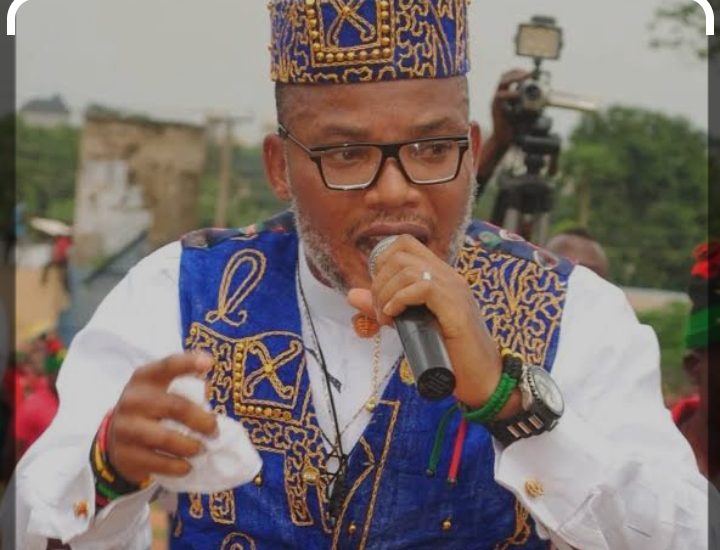
In what may signal a major breakthrough in Nigeria’s prolonged security and political tension surrounding the Indigenous People of Biafra (IPOB), Abia State Governor, Dr. Alex Otti, has assured that the detained IPOB leader, Mazi Nnamdi Kanu, will regain his freedom very soon.
Governor Otti made the revelation during a media interaction in Umuahia, where he addressed pressing state issues, including infrastructure development, security, and the status of Kanu, who hails from Abia State. His remarks have since reignited nationwide discussion about justice, reconciliation, and the broader implications of Kanu’s continued detention on national unity.
Governor Otti’s Assurance: “Freedom Is Near for Nnamdi Kanu”
Speaking with confidence, Governor Otti expressed optimism that Nnamdi Kanu’s legal ordeal will soon come to an end. According to him, ongoing dialogues and legal consultations indicate that there’s light at the end of the tunnel for Kanu, who has been in the custody of the Department of State Services (DSS) since 2021.
Otti, who has consistently advocated for political dialogue and peace in the Southeast, revealed that discussions at various levels of government and among key stakeholders are progressing positively. He emphasized that his administration, alongside other concerned leaders, has been quietly engaging the Federal Government to secure a peaceful resolution to Kanu’s case.
“I am confident that Mazi Nnamdi Kanu will regain his freedom very soon,” Otti said. “We have been engaging with relevant authorities, and I believe the Federal Government understands the importance of addressing this issue in the spirit of justice and unity.”
Background: Nnamdi Kanu’s Arrest and Prolonged Detention
Nnamdi Kanu, leader of IPOB, was initially arrested in 2015 over allegations of treasonable felony, incitement, and other related charges after he launched the movement seeking self-determination for the Igbo people of southeastern Nigeria. He was granted bail in 2017 but fled the country after a military raid on his residence in Abia State.
In June 2021, Kanu was rearrested in Kenya under controversial circumstances and extradited to Nigeria — a move that sparked diplomatic and human rights debates. Since then, he has remained in detention despite several court rulings ordering his release, including a landmark decision by the Court of Appeal in October 2022 which acquitted him of terrorism charges. However, the Federal Government appealed the ruling, keeping him in custody pending further legal proceedings.
Southeast Leaders Push for Political Solution
Governor Otti’s assurance aligns with the position of several Southeast leaders, traditional rulers, and civil society organizations who have repeatedly urged President Bola Ahmed Tinubu’s administration to adopt a political rather than a purely legal approach in resolving Kanu’s case.
Prominent figures such as former Anambra Governor Peter Obi, Senator Enyinnaya Abaribe, and Ohanaeze Ndigbo Worldwide have emphasized that Kanu’s continued detention fuels resentment and insecurity in the region. They argue that granting him freedom would restore peace and accelerate reconciliation.
Otti, joining this growing chorus, has emerged as one of the most consistent voices advocating for dialogue and fairness, noting that the peace and economic development of the Southeast are directly tied to how the issue is resolved.
“Peace cannot thrive without justice,” he said. “It’s time to heal wounds and rebuild trust among all Nigerians.”
The Legal Path: Where Things Stand
As of late 2025, Nnamdi Kanu’s legal team, led by prominent lawyer Ifeanyi Ejiofor, continues to pursue his unconditional release in court. The defense maintains that his extradition violated international laws and that his continued detention contradicts the judgments of Nigerian appellate courts.
Meanwhile, the Federal Government insists that certain conditions must be met before his release, citing national security concerns and the need for assurances against renewed secessionist activities. Nonetheless, there are strong indications that behind-the-scenes negotiations are progressing.
Multiple legal and political observers believe that Kanu’s case has evolved from a purely judicial issue into a complex national matter requiring wisdom, dialogue, and reconciliation.
Why Otti’s Statement Matters
Governor Otti’s statement carries significant political and symbolic weight. As the governor of Abia State — Kanu’s home — and a respected voice in Nigerian politics, Otti’s confidence about an impending resolution suggests that substantive discussions are underway.
His comment also reflects a broader regional sentiment that peace in the Southeast is achievable through inclusion and understanding rather than confrontation.
Otti’s approach stands in contrast to some of his predecessors, who were reluctant to address the issue directly. His willingness to engage at both state and national levels demonstrates a new wave of leadership rooted in accountability and dialogue.
Reactions from the Southeast and Beyond
The governor’s remarks have triggered a wave of reactions across social media and traditional platforms. Supporters of IPOB, human rights advocates, and political analysts have hailed his intervention as a step in the right direction.
On X (formerly Twitter), several users praised Otti’s courage, describing him as a “leader of conscience” and “voice of reason in difficult times.”
Civil society organizations like the Civil Liberties Organization (CLO) and the Human Rights Writers Association of Nigeria (HURIWA) also commended his comments, calling for immediate action by the Federal Government to show goodwill.
However, not everyone agrees. Some political observers caution that such public statements could raise false hopes if not backed by concrete actions. They argue that while optimism is good, the federal authorities must demonstrate real commitment to resolving the issue.
Economic and Security Implications for the Southeast
Beyond the political debate, Kanu’s detention has had profound implications for the Southeast’s economy and social stability.
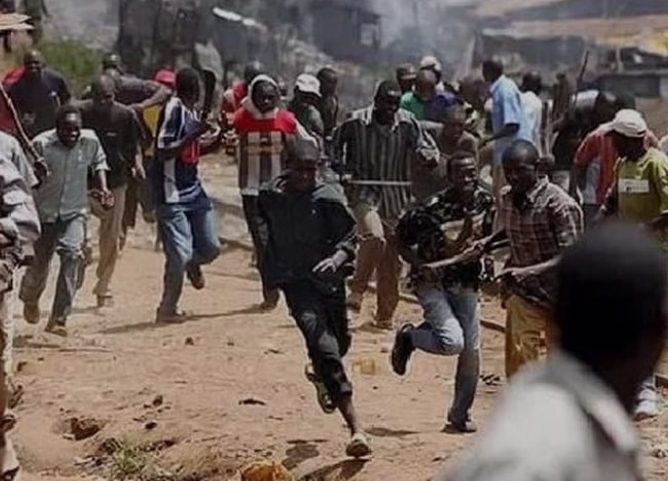
Since his arrest, the region has witnessed sporadic unrest, including the “sit-at-home” orders that have crippled business activities in key cities like Onitsha, Aba, and Enugu.
Economic experts estimate that the Southeast loses billions of naira weekly due to business shutdowns and reduced investor confidence. Governor Otti, whose administration is working to restore industrial and commercial vibrancy in Abia, understands the urgency of restoring normalcy.
His call for Kanu’s release, therefore, is not just political — it is also economic. Releasing Kanu could pave the way for comprehensive peace talks, reopening of markets, and renewed confidence among investors.
Public Sentiment: The People Want Peace
Across major towns and communities in the Southeast, ordinary citizens have expressed fatigue over the prolonged crisis. Many residents say they are ready to move on and rebuild, provided there is justice and fairness.
Business owners, transport operators, and artisans in Abia and Anambra states have welcomed Otti’s statement with cautious optimism.
“If Nnamdi Kanu’s release will bring peace, then let it happen. We are tired of suffering,” said a trader at Ariaria Market in Aba.
The sentiment echoes the broader mood in the region — that peace, unity, and progress should take precedence over prolonged confrontation.
National Implications: A Chance for Reconciliation
Analysts believe that resolving the Kanu issue could serve as a model for addressing other regional grievances in Nigeria.
For years, the country has struggled with ethnic mistrust, regional inequality, and competing political interests. Granting freedom to Kanu under agreed terms could be a symbolic gesture toward national healing, provided it is followed by dialogue and policy reforms addressing marginalization and development.
Governor Otti’s intervention also aligns with President Tinubu’s earlier remarks emphasizing national cohesion and inclusivity. Political observers suggest that if handled well, Kanu’s release could become a defining moment for Tinubu’s administration — one that bridges divides and strengthens democracy.
Human Rights Concerns and International Attention
International human rights organizations, including Amnesty International and Human Rights Watch, have repeatedly criticized Kanu’s detention, citing violations of due process and the presumption of innocence.
These groups argue that resolving his case peacefully would improve Nigeria’s global human rights image and restore confidence in its judicial system.
Governor Otti’s proactive engagement may also boost the perception that Nigeria’s democratic institutions are capable of self-correction and peaceful dialogue.
Looking Ahead: The Path to Freedom and Reconciliation
While optimism is rising, stakeholders caution that the process of securing Kanu’s release must be managed carefully to avoid reigniting tensions.
Experts suggest a structured reconciliation framework involving:
1. Legal compliance — Respecting existing court rulings.
2. Political dialogue — Engaging key Southeast leaders and groups.
3. Security guarantees — Ensuring peace post-release.
4. Reintegration efforts — Fostering national understanding and trust.
Governor Otti’s leadership could be pivotal in ensuring that these conditions are met, bridging the gap between the Federal Government and the people of the Southeast.
Conclusion: A Ray of Hope for the Southeast
Governor Alex Otti’s assurance that Nnamdi Kanu may soon regain freedom marks a turning point in the Southeast’s struggle for justice and peace.
His calm yet firm optimism offers hope to millions who have long yearned for closure on one of Nigeria’s most contentious issues.
While the road to Kanu’s release remains uncertain, Otti’s statement rekindles belief that reconciliation, unity, and progress are achievable through dialogue — not confrontation.
As the nation watches closely, the coming weeks will determine whether this renewed hope translates into lasting peace and a stronger Nigeria.
About the Author
Written by: Chuka Nwosu
Chuka Nwosu is a senior political correspondent for SaharaNews247. He specializes in Southeast politics, governance, and national security reporting. With over 10 years of experience in investigative journalism, he focuses on stories that promote peace, justice, and national cohesion.