Published: August 3, 2025
By: SaharaNews247 Editorial Team
Human RightsTags: Plateau killings, Berom women protest, Fulani herdsmen attacks, Nigerian insecurity, Middle Belt crisis, naked protest Nigeria, farmer-herder clashes, government inaction
Introduction: Nigeria’s Boiling Security Crisis
The security crisis in Nigeria has taken a deeply emotional turn as women in Plateau State—under the umbrella of the Berom Women Development Association (BWEDA)—have threatened to stage a naked protest over continuous attacks on their communities by suspected Fulani herdsmen. The protest, they say, is in response to what they describe as the government’s persistent silence, inaction, and failure to provide security or justice for their people.
This threat isn’t just symbolic—it reflects decades of systemic neglect, ethnic tension, and worsening rural insecurity in Nigeria’s Middle Belt.
Context: What Triggered the Protest Threat?
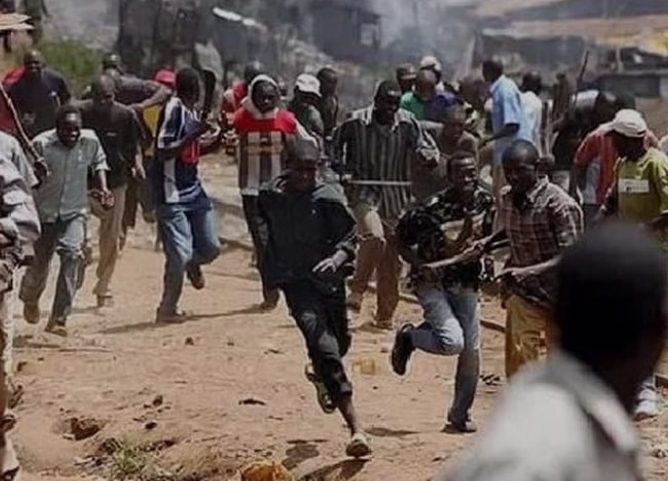
According to BWEDA, the recent wave of attacks in parts of Riyom, Barkin-Ladi, Mangu, and Bokkos Local Government Areas of Plateau State has left dozens dead, farmlands destroyed, and entire villages razed. The group’s press release, issued on August 3, 2025, was both emotional and urgent:
“We have buried enough of our sons and husbands. If the government remains deaf, we will go naked in protest until justice comes. The blood of our people must not flow in vain,” — BWEDA Statement
The group condemned what it called the “genocide and ethnic cleansing” of the Berom people and criticized government officials for offering only condolence visits and token relief materials.
The Reality on the Ground: Plateau’s Deadly History of Herdsmen Attacks
Fulani herdsmen-related violence is not new to Plateau State. It has become a tragic hallmark of life in many agrarian communities across the Middle Belt. Below is a timeline of major attacks in Plateau alone:
Date Location Estimated Death Toll Description
April 2022 Kanam, Wase LGAs 150+ Coordinated night attacks; villages razed
May 2023 Mangu LGA 80–120 Homes and churches burned; mass displacement
Dec 2023 Bokkos, Barkin-Ladi 200+ Massacre during Christmas; multiple communities targeted
Jan–July 2025 Riyom, Bokkos, Mangu Ongoing Villagers killed; farmland destroyed
Sources: Amnesty International, SBM Intelligence, DailyPost, Human Rights Watch
These attacks are often unprovoked, strategically executed at night, and involve the use of sophisticated firearms, contradicting the claim of them being mere farmer-pastoralist clashes.
Why a Naked Protest? Cultural Significance and Political Message
In African tradition—especially among many ethnic groups in Northern and Middle Belt Nigeria—naked protests by women are not taken lightly. They are a powerful and deeply spiritual act of condemnation.
Nakedness in protest symbolizes:
Complete vulnerability and desperation
Spiritual curse or appeal to deities
Total loss of faith in traditional leadership and state structures
Notable similar incidents include:
Southern Kaduna women (2020) protesting killings by herdsmen
Enugu women blocking highways topless (2018) after attacks
Ondo women’s threatened protest after the Owo church massacre
In this case, BWEDA’s naked protest threat is a last-resort demand for national and global attention.
Government Reaction: Deafening Silence or Tactical Delay?
So far, both the Plateau State Government and the Federal Government have not officially addressed BWEDA’s warning. Their silence has triggered nationwide outrage on social media, with activists, NGOs, and civil society organizations condemning the state’s perceived indifference.
Critics argue that:
The government is overwhelmed with multi-front insecurity (Boko Haram, banditry, separatist agitations)
Ethnic politics may be influencing reluctance to act
Security forces are stretched thin and poorly equipped in rural areas
Some officials benefit politically or economically from the ongoing instability
Meanwhile, affected communities remain unprotected and increasingly radicalized.
– Voices of the Marginalized: Testimonials from Survivors
SaharaNews247 interviewed several displaced persons from Bokkos and Mangu LGAs. Here are some of their haunting experiences: “They came around 1 a.m. with guns. We had no chance. My brother and his two sons were killed.” — Lydia Mang, IDP from Tangu “Our farms are gone. Our homes are ashes. And yet, they call it a ‘clash.’ What clash? We were not fighting.” — Yunusa Dung, Farmer
“If these women go naked, they have every right. They’ve lost everything.” — Reverend Joseph Pam, Community leader
These voices underscore that the crisis is more than statistics—it’s the daily reality of fear, hunger, and grief.
Implications for National Stability and Global Attention
The Plateau violence—if left unchecked—could lead to:
Full-scale ethnic conflict between local communities and nomadic groups
Food insecurity due to loss of farmland
Heightened refugee crisis as villagers flee to neighboring states
Further radicalization of affected youth
Damaged international image and reduced investor confidence
Several rights organizations, including Amnesty International and the International Crisis Group, have called on the Nigerian government to act swiftly and decisively.
What Needs to Happen Now: A National Call to Action
To prevent further escalation, SaharaNews247 calls on:
President Bola Tinubu to address the nation on the security situation in Plateau and deploy emergency intervention forces
National Assembly to hold a public security hearing on the Middle Belt crisis
ECOWAS and African Union to monitor and report human rights abuses
Civil society to organize peaceful solidarity protests across Nigerian cities
The media to continue exposing the truth and amplifying voices of the marginalized
Conclusion: The Cry of Plateau Women Must Not Be Ignored
The threat of a naked protest by Plateau women is a signal of how deep the scars of conflict have become. It reflects a people at the edge of despair, ready to lay bare their pain to force accountability.
This is not just a Plateau crisis—it is a national emergency.
Until the Nigerian government listens—not with condolence messages, but with concrete, measurable action—the cycle of violence, poverty, and mass displacement will continue.
Stay Informed. Stay Engaged.
Visit www.SaharaNews247.com for more verified reports from Nigeria’s crisis regions.
Follow us on social media:
Facebook | X (Twitter) | Instagram | Threads | Telegram — @SaharaNews247
Support independent journalism by sharing this article with your networks.