By SaharaNews247 — August 19, 2025
The Visa policies directly affect education, business, and family life. When a global power like the United States changes its rules, especially concerning personal data like social media accounts, the effects go far beyond embassy lines. For Nigerians who already face strict documentation and long waiting times for visas, the new requirement to disclose social media handles from the past five years introduces new challenges. The Federal Government’s vow to respond in kind signals a shift in diplomatic tone that could shape travel, trade, and security relations between the two nations.
What Changed in the US Visa Policy
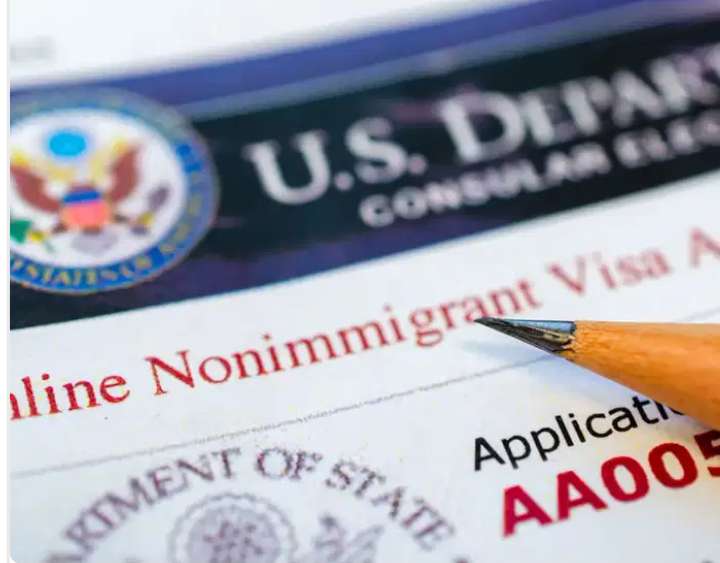
The United States has expanded its screening process for visa applicants.
Social Media Disclosure: Applicants must now provide all usernames or handles they have used on social platforms in the last five years when filling out DS-160 or DS-260 forms.
Accuracy Requirement: Any omission or misleading information may result in denial or future ineligibility.
Targeted Categories: The rule is particularly emphasized for students (F, M) and exchange visitors (J), but similar requirements are being applied across other visa classes.
Official Basis: The U.S. Department of State and consular offices have confirmed the change as part of enhanced vetting procedures.
Nigeria’s Official Response
The Federal Government, through the Ministry of Foreign Affairs, announced that it will consider reciprocal measures. According to the statement, Nigeria will hold an inter-agency meeting involving the Ministry of Interior and the National Intelligence Agency to decide how best to respond. In practice, this could mean U.S. citizens applying for Nigerian visas may soon be asked to disclose their own social media histories.
This response is rooted in the principle of reciprocity in international relations, which seeks to ensure equal treatment of citizens in diplomatic and consular matters.
Impact on Nigerian Visa Applicants
The immediate effects of the U.S. policy shift on Nigerians are significant:
1. Increased Documentation Burden
Applicants must compile a detailed list of all their past usernames, including inactive or forgotten accounts. Mistakes or omissions may cause delays or denials.
2. Privacy Concerns
Many Nigerians maintain pseudonymous accounts for safety, activism, or political commentary. Disclosure raises concerns about surveillance and freedom of speech.
3. Student Mobility Challenges
With Nigeria being one of Africa’s largest sources of international students in the U.S., stricter rules could discourage applications or complicate existing processes.
4. Processing Delays
The additional checks will likely increase consular workloads, extending already long visa wait times.
Why Nigeria is Choosing Reciprocity
Reciprocity is a standard diplomatic tool. By pledging to mirror U.S. actions, Nigeria is signaling three key messages:
Diplomatic Equality: Nigeria wants to show it will not passively accept rules it perceives as unfair to its citizens.
Domestic Assurance: The government seeks to reassure Nigerians that their rights are being defended.
Negotiation Leverage: By promising equal measures, Nigeria creates space to negotiate adjustments or exemptions in bilateral discussions.
Risks of a Tit-for-Tat Policy
While reciprocity is legitimate, a back-and-forth escalation carries risks:
Restricted Mobility: Travel between both countries could become more complicated for ordinary citizens.
Economic Disruption: Businesses and investors who rely on quick travel could face hurdles.
Educational Setbacks: Nigerian students, who contribute significantly to U.S. universities and remittances, may bear the brunt of stricter requirements.
Administrative Costs: Implementing and monitoring new disclosure rules in Nigeria would require resources and legal frameworks.
Human Rights and Privacy Implications
The expanded requirements touch on sensitive areas of personal liberty:
Data Protection: Governments must clarify how collected social media data will be stored, used, and protected from abuse.
Freedom of Expression: Individuals may hesitate to post freely on social media if they know their accounts will be scrutinized by consular officers.
Civil Society Concerns: Activists and journalists who use anonymous accounts could face new risks of exposure.
What Nigerians Should Do Now
For those planning to apply for U.S. visas in the coming months:
Compile a List of Handles: Document every username you’ve used on Facebook, X (Twitter), Instagram, TikTok, LinkedIn, and other platforms in the last five years.
Cross-Check Accuracy: Ensure the information matches what you submit on your DS-160 or DS-260 form.
Be Honest: Do not omit or falsify details. Consular officers may interpret discrepancies as dishonesty.
Seek Guidance: Students, journalists, or activists with sensitive accounts should consider professional legal or migration advice.
Follow Official Channels: Regularly check the U.S. Embassy in Abuja’s website and the U.S. Department of State page for official updates.
Broader Implications for Nigeria–US Relations
This development could reshape the relationship between Nigeria and the United States in several ways:
Education and Research: Nigerian students may explore alternative destinations such as Canada, the UK, or Germany if U.S. visa hurdles increase.
Business and Investment: Stricter entry requirements could slow the flow of business delegations and discourage short-term travel.
Consular Cooperation: Both governments will need to establish dialogue to avoid unnecessary friction, possibly negotiating exemptions or targeted categories of applicants.
What Comes Next
Nigeria’s inter-agency meeting will determine whether the reciprocal policy will be adopted and how it will be implemented. Outcomes to watch include:
Whether U.S. citizens will be required to submit social media histories when applying for Nigerian visas.
The extent to which Nigerian authorities will enforce data protection safeguards.
Possible bilateral talks aimed at easing the impact of the new U.S. rules on Nigerian students and businesses.
Conclusion
The U.S. decision to tighten visa rules by including five years of social media history marks a new era of digital vetting in global mobility. Nigeria’s vow to respond equally reflects a diplomatic balancing act but also raises concerns about escalating restrictions and privacy rights.
For Nigerians, the best approach is preparedness: document your digital footprints, follow official updates, and seek guidance if you face complications. For policymakers, the challenge is finding a balance between national security, personal freedoms, and the undeniable benefits of open travel and exchange.