By Chidi Nwankwo
Fayemi’s Call for Urgent Reform
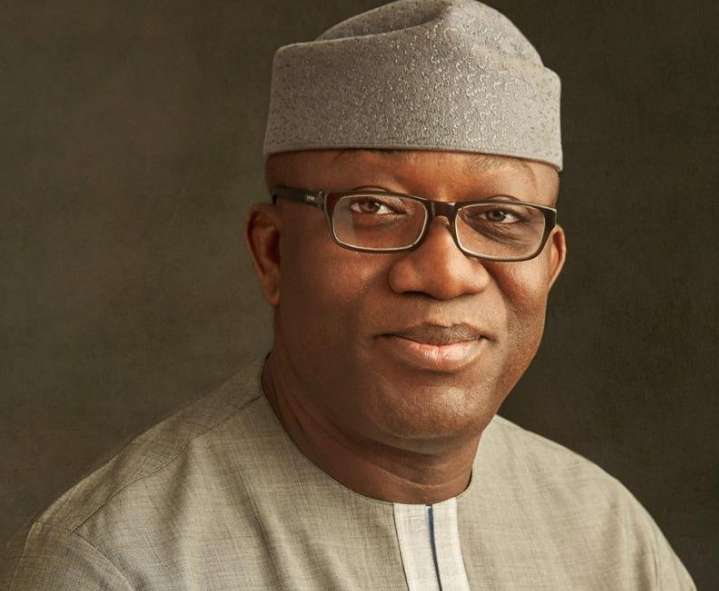
Former Ekiti State Governor, Dr. Kayode Fayemi, has called for comprehensive reforms within the Economic Community of West African States (ECOWAS), stressing that the regional organization must reinvent itself to effectively tackle widespread poverty, insecurity, and underdevelopment across the subregion.
Speaking at a recent policy dialogue, Fayemi observed that while ECOWAS was founded to foster economic cooperation and political stability, its current structure and approach are insufficient to address the scale of challenges facing the region today. He argued that the bloc must evolve from a bureaucratic and elite-driven organization into a more responsive and citizen-centered institution that delivers tangible impact to ordinary West Africans.
According to Fayemi, “ECOWAS can no longer operate as a closed political club. It must be an active force for economic transformation, peace, and social justice in West Africa.”
Why Reform is Urgent
West Africa is facing one of its most complex periods since independence. The region is being reshaped by growing insecurity, economic stagnation, and political upheavals that have undermined development gains achieved over the last two decades.
Military takeovers in Mali, Burkina Faso, and Niger have strained ECOWAS unity, while widespread poverty and unemployment continue to deepen social frustration. Inflation and food insecurity have also driven millions into hardship, fueling migration and instability.
For Fayemi, these challenges demand structural transformation — not piecemeal responses. “Without a fundamental rethinking of how ECOWAS operates, the dream of regional prosperity will remain elusive,” he warned.
Key Challenges Confronting ECOWAS
Escalating Insecurity
Armed conflict and terrorism have spread across several parts of West Africa, particularly in the Sahel. Terrorist networks exploit porous borders, economic deprivation, and weak governance to expand their influence. ECOWAS interventions, often reactive, have failed to provide long-term stability because they focus primarily on military solutions rather than addressing the root causes of violence.
Political Instability and Governance Deficits
A growing number of ECOWAS member states have experienced unconstitutional changes of government in recent years. The bloc’s inconsistent approach to enforcing democratic norms has eroded its credibility. Critics argue that ECOWAS has not been firm or even-handed in dealing with member states that violate democratic principles, creating a sense of double standards.
Endemic Poverty and Inequality
Nearly half of the West African population lives below the poverty line. Youth unemployment rates are soaring, and economic inequality continues to widen. Fayemi maintains that the link between poverty and insecurity is undeniable — communities without opportunities are more vulnerable to radicalization, crime, and instability.
Weak Institutions and Limited Financial Independence
ECOWAS has been criticized for weak governance structures, limited transparency, and excessive dependence on external donors. This overreliance undermines its decision-making autonomy and ability to implement homegrown development strategies. Fayemi argues that regional ownership and institutional reform are essential for restoring effectiveness.
From Rhetoric to Real Reform
Fayemi’s vision for reform centers on three critical shifts that could redefine the role of ECOWAS in the 21st century.
1. From Crisis Management to Prevention
Rather than waiting for conflicts to erupt before intervening, ECOWAS must prioritize preventive diplomacy and early warning systems. Strengthening intelligence-sharing, cross-border coordination, and peacebuilding programs will help stop crises before they escalate.
2. From Elite Politics to Citizen-Centered Governance
Fayemi insists that ECOWAS must reconnect with the people. Regional integration should translate into visible improvements in transportation, education, healthcare, and trade. Strengthening the ECOWAS Parliament and involving civil society will ensure that citizens have a voice in regional decision-making.
3. From Military Response to Human Security
Security must be viewed through a broader human-centered lens that integrates development, governance, and justice. Investing in education, job creation, and local governance can weaken the appeal of extremist ideologies far more effectively than short-term military interventions.
—
Economic Integration as the Engine of Stability
At its inception, ECOWAS envisioned a borderless, economically integrated region that would promote prosperity through free movement of goods and people. Decades later, that vision remains incomplete.
Fayemi believes that renewed economic cooperation holds the key to stability. Promoting cross-border trade, industrialization, and regional value chains can create jobs and stimulate inclusive growth. Harmonizing trade regulations, reducing tariffs, and accelerating the single currency agenda could make West Africa a more competitive and attractive economic zone.
He also proposed innovative financing options such as regional infrastructure bonds and private-sector partnerships to fund critical projects, reducing dependency on external donors. “We cannot continue to borrow direction and resources from others. Our development must be locally driven,” Fayemi said.
The Human Cost of Inaction
The consequences of ECOWAS’s failure to reform are already visible. Rising insecurity has displaced millions, collapsed local economies, and forced thousands into migration routes fraught with danger. Young people without jobs or education are increasingly vulnerable to recruitment by extremist groups.
If ECOWAS continues with business as usual, it risks losing legitimacy among citizens. A disillusioned population could pave the way for further political instability and the emergence of alternative alliances that fragment the region.
Pathways to Meaningful Reform
1. Institutional Accountability: ECOWAS must strengthen its transparency mechanisms, enforce financial discipline, and ensure project accountability.
2. Empowered Regional Parliament: The ECOWAS Parliament should evolve into a decision-making body with oversight authority on governance and peace processes.
3. Youth Empowerment: Regional programs focusing on entrepreneurship, digital skills, and technical education are vital to reducing unemployment.
4. Security Cooperation: Improved intelligence-sharing, community-based policing, and coordinated military strategies with civilian oversight can enhance security.
5. Financial Commitment: Member states must consistently fulfill their funding obligations to reduce donor dependency and ensure policy independence.
Conclusion
Dr. Kayode Fayemi’s call for ECOWAS reform represents a pivotal moment for West Africa’s future. It is not merely a policy suggestion — it is a wake-up call for a region at risk of losing its coherence and relevance.
Reforming ECOWAS is about redefining its purpose from an elite-driven institution into a people-centered force for regional transformation. The path forward requires courage, cooperation, and commitment from all member states. Only a transparent, accountable, and citizen-focused ECOWAS can deliver peace, prosperity, and sustainable development for over 400 million West Africans.
Author Bio
Chidi Nwankwo is a Lagos-based journalist and political correspondent for SaharaNews247. He covers West African politics, governance, and regional development. With a background in international relations and over a decade of field reporting, he provides in-depth analyses on issues affecting democracy and economic growth in Africa.