Author: Chinonso O. Okafor
Senior Economic Analyst & Investigative Journalist
Introduction
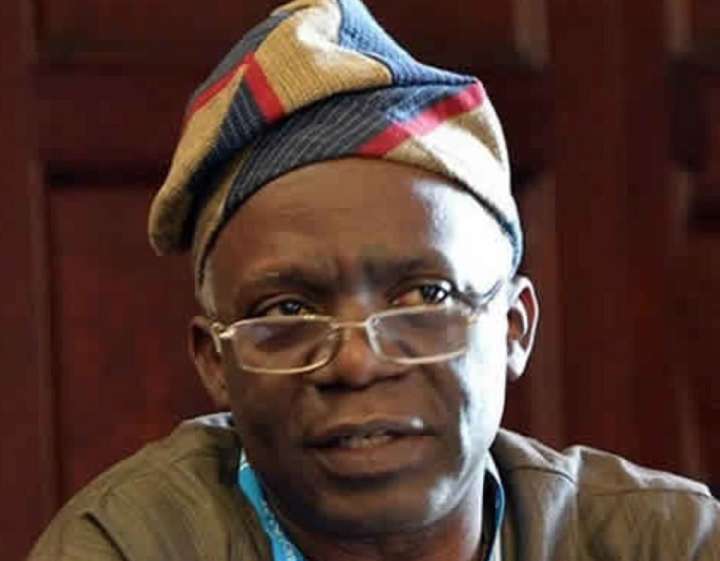
In a revelation that has captured national attention, renowned human rights lawyer and Senior Advocate of Nigeria (SAN), Femi Falana, disclosed that bribes in Nigeria are increasingly being paid in U.S. dollars. Speaking on Channels Television’s Politics Today, Falana warned that this shift signals not only the persistence of corruption but also a worrying trend toward the dollarization of Nigeria’s informal economy, with severe consequences for the naira and the country’s financial stability.
While corruption has long been a challenge in Nigeria, the shift to U.S. dollars represents a new dimension of economic risk, undermining national sovereignty and complicating anti-corruption enforcement. This article explores the causes, consequences, and possible solutions to this alarming trend, providing a comprehensive analysis of its implications for governance, citizens, and the economy at large.
Understanding the Dollarization of Bribery in Nigeria
Traditionally, bribes in Nigeria were transacted in naira, the country’s legal tender. However, inflation, naira depreciation, and economic uncertainty have driven officials and business actors to prefer the U.S. dollar for illicit payments.
Key Reasons Bribes Are Paid in Dollars
1. Hedging Against Naira Depreciation
Over the last decade, the naira has lost significant value against the dollar. For instance, data from the Central Bank of Nigeria (CBN) shows that the naira has depreciated by over 50% against the dollar since 2015. Paying bribes in dollars ensures that the bribe retains its purchasing power, protecting the recipient from domestic currency fluctuations.
2. Ease of International Transfers
Dollars are globally accepted and can be easily moved abroad, facilitating capital flight. This makes it easier for corrupt actors to shield illicit funds from domestic enforcement agencies.
3. Status Symbol and Influence
In Nigeria, using dollars in transactions is often viewed as a sign of power, influence, and sophistication, reinforcing social hierarchy among elites.
4. Avoiding Local Detection
Transactions in dollars are harder to trace within domestic banking systems, reducing the likelihood of exposure to agencies such as the Economic and Financial Crimes Commission (EFCC) or the Independent Corrupt Practices Commission (ICPC).
Legal Framework and Economic Implications
Falana’s call to end dollar-denominated bribes is grounded in both legal mandates and economic reasoning.
Legal Perspective
Central Bank of Nigeria Act: Mandates that the naira is the only legal tender for domestic transactions. Rejection of the naira constitutes a violation of the law.
Anti-Corruption Legislation: Bribery in any currency is illegal, but paying in dollars makes detection and prosecution more difficult.
Economic Perspective
Erosion of the Naira: Dollarization undermines public confidence in the naira, contributing to currency volatility and inflation.
Monetary Policy Challenges: The Central Bank’s ability to manage money supply and interest rates is weakened when the economy becomes dollarized.
Capital Flight: Illicit dollar-based transactions often leave the country, depriving Nigeria of resources that could fund infrastructure, healthcare, and education.
Historical Context: Dollarized Corruption in Nigeria
Nigeria has a long history of corruption intertwined with foreign currency use.
1. $600,000 Bribe Scandal (2012)
Former legislator Farouk Lawan was accused of accepting $600,000 to remove a company from a fuel subsidy fraud investigation. This case illustrated how foreign currency became the preferred medium for high-value illicit transactions.
2. Petroleum Industry Bill Bribery Allegations (2021)
After the passage of the Petroleum Industry Bill (PIB), allegations emerged that lawmakers received $10 million in bribes to support the legislation. The dollars reportedly bypassed domestic financial systems, making tracing difficult.
3. Judicial Bribery Reports
Over the years, there have been reports of judges accepting foreign currency bribes, undermining public confidence in the justice system and highlighting the pervasive nature of dollarized corruption.
Impact of Dollarized Bribery on Nigerians
The implications of dollarized bribery extend far beyond political circles. Ordinary Nigerians are directly affected in several ways:
1. Inflation and Cost of Living
Dollarization inflates the cost of imported goods. Businesses that transact in dollars pass on the extra cost to consumers, increasing the price of essentials such as food, fuel, and medicine.
2. Economic Inequality
Dollarization disproportionately benefits elites, widening the gap between rich and poor. Ordinary citizens continue to rely on a depreciating naira, while corrupt actors preserve wealth in stable foreign currencies.
3. Weakening of Public Services
Capital flight resulting from dollarized bribery reduces government revenue, limiting funds available for education, healthcare, and infrastructure projects.
4. Erosion of Trust in Governance
The knowledge that bribes are paid in dollars fosters cynicism and distrust among citizens, undermining faith in institutions.
Lessons from Other Countries
Dollarization and foreign currency corruption are not unique to Nigeria. Other nations have experienced similar trends:
Venezuela: Hyperinflation and currency devaluation led to widespread use of U.S. dollars for daily transactions. This weakened the Bolivar and complicated government economic policy.
Zimbabwe: During its 2008-2009 hyperinflation crisis, dollars became the default currency for bribes, salaries, and business transactions, eroding public confidence in the local currency.
These examples underscore that dollarization is both a symptom and a cause of economic instability.
Government and Institutional Responses
Combating dollarized corruption requires coordinated efforts across multiple sectors:
1. Strengthening Enforcement
The government must strictly enforce laws mandating the use of naira in domestic transactions. Businesses and individuals found transacting exclusively in foreign currency should face legal sanctions.
2. Promoting the Naira
The CBN can incentivize naira transactions through:
Reduced transaction fees
Discounts for naira payments
Encouraging domestic financial institutions to prioritize naira transactions
3. Transparency in Financial Institutions
Banks must implement robust anti-money laundering measures and closely monitor foreign currency transactions to detect and report suspicious activities.
4. Civil Society Engagement
Investigative journalism and public campaigns can expose dollarized corruption, holding public officials accountable and educating citizens on the importance of using the naira.
Policy Recommendations
To address the challenge of dollarized bribery, Nigeria can implement the following measures:
1. Legal Enforcement: Enforce legal tender laws rigorously.
2. Resource Anti-Corruption Agencies: Equip EFCC and ICPC with technology to track foreign currency transactions.
3. Economic Incentives: Encourage businesses to adopt naira-based transactions through tax breaks or subsidies.
4. Public Awareness: Educate citizens on the risks of dollarization and the benefits of using naira.
5. Transparency in Governance: Ensure all government procurement and payment systems operate in naira, and make them auditable.
Conclusion
Femi Falana’s revelation that bribes are increasingly paid in dollars is more than a commentary on corruption—it is a warning about the dollarization of Nigeria’s economy, erosion of national sovereignty, and the weakening of anti-corruption measures.
Addressing this challenge requires comprehensive legal reforms, economic incentives, public education, and strengthened institutional capacity. Only then can Nigeria restore confidence in the naira, strengthen governance, and ensure sustainable economic development.
Author Bio
Chinonso O. Okafor is a Senior Economic Analyst and Investigative Journalist with over a decade of experience analyzing economic policies, governance, and financial systems in Nigeria. He holds a Master’s degree in Economics from the University of Lagos and has contributed to multiple national and international publications. Chinonso is committed to promoting transparency, accountability, and sustainable development in Nigeria.