By Chidi Opara
A Dramatic Turn at Kuje Correctional Centre
Human rights activist and former presidential candidate Omoyele Sowore, alongside Aloy Ejimakor, counsel to IPOB leader Nnamdi Kanu, and Kanu’s younger brother Prince Emmanuel Kanu, have regained their freedom from Kuje Correctional Centre in Abuja.
Their release followed compliance with stringent bail conditions set by a magistrate’s court after their arrest during the #FreeNnamdiKanuNow protest in the Federal Capital Territory. The development has ignited a nationwide conversation on human rights, justice, and Nigeria’s democratic freedoms.
The Protest That Shook Abuja
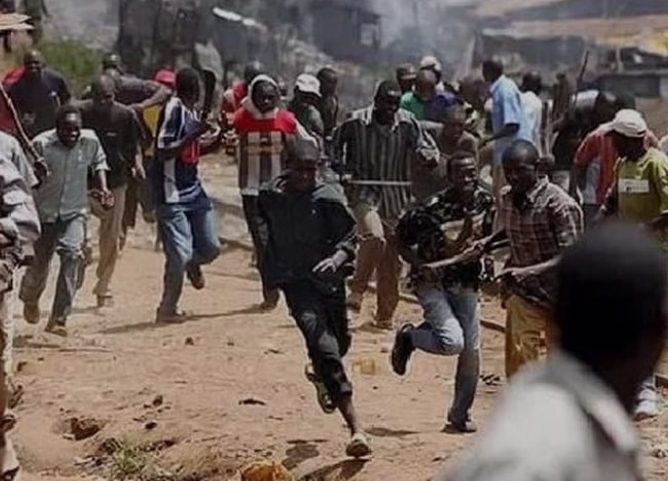
The peaceful rally was organised to demand the release of Nnamdi Kanu, who remains in custody on terrorism-related charges. Witnesses described the demonstration as orderly until security operatives moved in, arresting Sowore, Ejimakor, Emmanuel Kanu, and several others.
They were later charged with unlawful assembly and disturbance of public peace—offences that critics say are often used to muzzle dissent. Civil-society groups condemned the arrests as an example of Nigeria’s shrinking civic space.
Inside Kuje Prison: Health Scares and Harsh Realities
Reports from the facility revealed that Aloy Ejimakor collapsed in custody and required emergency medical attention. Another awaiting-trial inmate allegedly died in the same clinic that night, further exposing the dire state of Nigeria’s correctional centres.
Human-rights organisations have long cited overcrowding, poor sanitation, and inadequate healthcare as persistent problems at Kuje. These new incidents have renewed calls for urgent reforms and better oversight of detainee welfare nationwide.
The Bail Conditions: Strict and Controversial
The court granted bail but imposed unusually tough requirements. Each defendant had to post a ₦500,000 bond, submit a verified National Identification Number (NIN), provide a three-year tax-clearance certificate, and surrender international passports.
Legal analysts argue that such conditions are excessive for protest-related offences and appear intended to discourage future demonstrations. Nonetheless, supporters managed to meet every requirement, leading to the group’s eventual release on Monday evening.
A Symbolic Victory, But the Legal Battle Continues
Though free, the defendants still face active charges. Their release represents a symbolic win for freedom of expression but not a final victory. The coming weeks will show whether the government intends to pursue prosecution or quietly drop the case.
For Sowore—already a seasoned rights campaigner—and Ejimakor, their experience reinforces their reputations as enduring voices of resistance in Nigeria’s struggle for justice and reform.
Human Rights and the Nigerian State
Nigeria’s constitution guarantees freedom of assembly and speech, yet those rights are often undermined. The detention of Sowore and Ejimakor has again revealed how fragile civil liberties remain when state power is threatened.
Constitutional lawyer Ifunanya Okechukwu told SaharaNews247 that “the health crisis involving Ejimakor underscores how far the justice system has strayed from its duty to protect, not punish, citizens for demanding accountability.”
The episode has reignited the debate about whether Nigeria’s democracy is mature enough to accommodate peaceful dissent without resorting to repression.
Judiciary Under Scrutiny
The magistrate’s decision to attach heavy bail terms has drawn public criticism. Many believe the move reflected political pressure given the sensitivity of Nnamdi Kanu’s case. Others say the court simply exercised caution in handling prominent defendants.
Whichever interpretation is correct, the case again highlights long-standing doubts about judicial independence in politically charged trials. It also underscores the need for reforms that guarantee courts are guided solely by law and justice.
Civil Society and Public Reaction
Human-rights groups, including Amnesty International Nigeria and the Civil Liberties Organisation, welcomed the release but urged the government to drop all charges. Amnesty stated that “peaceful protest should never be criminalised.”
On social media, Nigerians reacted with relief and anger in equal measure. Hashtags such as #SoworeReleased, #EjimakorFree, and #JusticeForProtesters trended on X (formerly Twitter), symbolising the growing demand for government accountability and the protection of civic freedoms.
Why This Case Matters
The saga of Sowore, Ejimakor, and their colleagues represents more than a legal dispute—it captures a defining tension between power and rights in modern Nigeria.
Activists insist that until peaceful assembly is genuinely protected, Nigeria cannot claim to be a true democracy. The episode has also drawn international attention, with observers warning that recurring arrests of dissenters could tarnish the country’s human-rights reputation abroad.
Lessons and the Road Ahead
Legal reform: Nigeria needs clear legal frameworks that shield peaceful protesters rather than criminalise them.
Correctional reform: Kuje’s conditions reveal a nationwide crisis in detention management that demands immediate government attention.
Judicial transparency: Fair and consistent bail practices are crucial to restoring confidence in the justice system.
Civic mobilisation: The swift advocacy that secured the detainees’ release shows that united citizen action remains a potent force for accountability.
If the authorities internalise these lessons, Nigeria could take a meaningful step toward a freer and more just society.
Expert Insight
Political analyst Dr. Ngozi Mbah described the release as “a relief tinged with regret.”
“While it’s encouraging that Sowore and Ejimakor are free, their ordeal demonstrates how fragile Nigeria’s democracy still is. The world is watching how the government treats its most vocal critics,” she told SaharaNews247.
According to Dr. Mbah, this case will serve as a litmus test for how Nigeria balances stability with freedom in the years ahead.
Conclusion
The release of Omoyele Sowore, Aloy Ejimakor, and their co-defendants from Kuje Prison marks a critical juncture in Nigeria’s democratic journey. It exposes the tension between authority and liberty, yet it also showcases the resilience of those who continue to fight for a freer society.
Their ordeal is a stark reminder that the right to protest remains one of the strongest instruments of change. As Nigeria watches what happens next, one truth stands out—democracy thrives only when citizens are free to question power without fear.
About the Author
Chidi Opara is a political analyst and senior correspondent with SaharaNews247, specialising in governance, civil liberties, and justice reporting. With over a decade of experience covering national politics, he brings depth and balance to issues shaping Nigeria’s democracy. Follow him on X (formerly Twitter) @ChidiOpara247 for verified political updates and commentary.