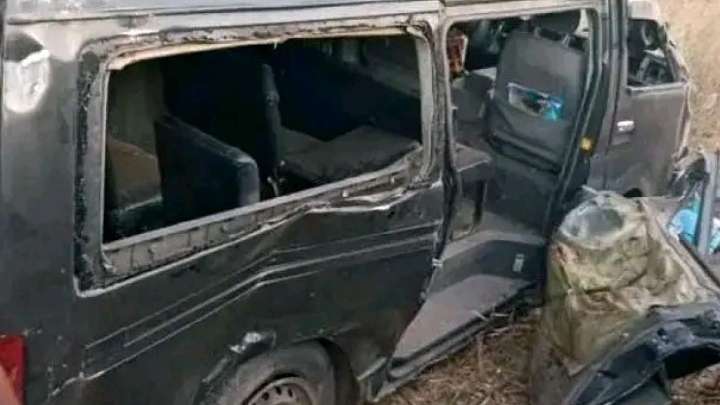
In a tragedy that has sent shockwaves across Nigeria, seven journalists have been confirmed dead and four others injured following a road crash along the Gombe–Yola Highway on Monday evening, December 29, 2025. The journalists, members of the National Union of Journalists (NUJ), were returning from a colleague’s wedding in Yola, Adamawa State, when their vehicle suffered a tyre failure near Kumo town in Akko Local Government Area, Gombe State.
This catastrophic accident has left families devastated, newsrooms grieving, and the nation reflecting on the persistent dangers facing professionals on Nigerian highways. Beyond the immediate loss of life, the crash underscores systemic issues in road safety, emergency response, and public accountability. This report provides a detailed account of the incident, profiles of the journalists involved, survivor narratives, expert insights, and a broader analysis of Nigeria’s road safety challenges, with recommendations aimed at preventing similar tragedies.
The Crash and Immediate Aftermath
Eyewitness accounts describe the NUJ vehicle as traveling at a steady pace when a sudden tyre burst caused the driver to lose control. The bus veered off the highway, crashing into dense roadside bushes, and overturned violently. Local residents rushed to the scene, while Federal Road Safety Corps (FRSC) officials and emergency responders quickly initiated rescue operations.
Seven journalists died at the scene, while four survivors were taken to nearby hospitals for emergency care. Medical personnel confirmed that while the injured were in stable condition, they required ongoing monitoring and psychological support. Preliminary reports suggest that the tyre failure was the immediate cause, though investigators are exploring other contributing factors such as vehicle maintenance, overloading, and the highway’s physical condition.
A survivor, speaking on condition of anonymity, recounted the terrifying moments: “We were laughing and talking on the way back when suddenly the bus shook violently. I felt the vehicle tilt, and then everything went black. When I woke up, I saw colleagues lying motionless, and I knew many would not make it.” Their testimony highlights the human trauma behind the statistics, providing a chilling glimpse into the crash’s impact on those who survived.
The Journalists Who Lost Their Lives
The journalists who perished were highly respected professionals, dedicated to their craft and to keeping Nigerians informed. Zarah Umar, Manager of News at the Nigerian Television Authority (NTA) and Senior Special Assistant in the Office of the First Lady of Gombe State, was among the victims. Manu Haruna Kwami, Manager of Administration at NTA Gombe, Isa Lawan, Film Editor at NTA, Musa Tabra, Retired Manager, News at NTA, Aminu Adamu, Senior Driver at NTA, Adams Danladi of StarTimes Media, and Judith Kutus, Information Officer at the Gombe State Universal Basic Education Board, also died in the crash.
Their collective loss has left a significant void in Nigeria’s media community. Colleagues describe them as mentors, storytellers, and advocates for truth. Their work reached millions of viewers and readers, chronicling local events, amplifying marginalized voices, and holding public institutions accountable.
Friends and family members expressed profound grief. A colleague at NTA said, “We have lost not just journalists, but family members. Their professionalism and kindness touched everyone they worked with. The newsroom will never be the same.”
Survivors and Their Struggle
The four journalists who survived—Emmanuel Akila, Steven Doddo, Nina Gadal, and Jonathan Bara—are receiving medical care and psychological support. Survivors face physical injuries, emotional trauma, and the challenge of returning to normal life after witnessing the deaths of close colleagues.
Doctors treating the survivors emphasize the importance of both medical and psychological rehabilitation. Trauma counseling is critical to help them process the shock of the incident and regain confidence in traveling and working safely.
Government and NUJ Response
Governor Inuwa Yahaya of Gombe State publicly expressed profound grief, describing the loss as “overwhelming and deeply painful.” The governor pledged support for the families of the deceased and coverage for medical expenses for the injured. He also confirmed that a comprehensive investigation into the accident’s circumstances would be carried out to prevent future occurrences.
The National Union of Journalists condemned the accident and described it as a devastating blow to Nigeria’s media sector. NUJ President Alhassan Yahya called for urgent reforms in the safety protocols for journalists traveling on official duties. Colleagues and media organizations nationwide have shared tributes and organized vigils, emphasizing the profound personal and professional impact of the crash.
Nigeria’s Road Safety Challenge
This tragedy highlights a wider problem affecting Nigeria. The country consistently records some of the highest rates of road fatalities in Africa, with thousands of deaths annually. Contributing factors include poor road infrastructure, substandard vehicle maintenance, reckless driving, overloading, and weak enforcement of traffic regulations.
The Gombe–Yola Highway, in particular, has a history of fatal accidents. According to recent FRSC data, hundreds of people have died in road crashes along this corridor over the past five years, and the pattern of accidents remains largely unbroken. Experts attribute these incidents to a combination of human error, vehicle failures, and structural deficiencies in the highway system.
Factors Behind Road Accidents in Nigeria
Vehicle malfunctions, such as tyre bursts, remain a leading cause of accidents. Poorly maintained vehicles, substandard tyres, and lack of routine inspections significantly increase the risk of crashes. Excessive speed and reckless driving are pervasive issues, while overloading and driver fatigue further exacerbate dangers.
Inconsistent enforcement of traffic laws allows unsafe driving practices to continue unchecked. Deteriorating road conditions, including potholes, poor lighting, and inadequate signage, make highways like the Gombe–Yola route particularly hazardous, especially during high-traffic periods such as holidays or festive seasons.
The Human Toll Beyond Numbers
While statistics provide scale, they often mask the personal stories behind the tragedy. Families have lost loved ones who were breadwinners and role models. Survivors face the challenge of rebuilding their lives physically, emotionally, and professionally. Entire newsrooms are mourning colleagues whose experience and mentorship shaped their craft. Communities have lost trusted voices that informed, guided, and held public institutions accountable.
The loss of these journalists extends beyond immediate grief. It is a blow to civic engagement, transparency, and the public’s right to information. Their absence underscores the need for systemic reforms to protect professionals who risk their lives to keep the public informed.
Expert Commentary and Road Safety Recommendations
Experts in road safety stress that preventing future tragedies requires a multifaceted approach. Rigorous vehicle inspections and certification must be enforced for commercial and official vehicles. Consistent application of traffic laws, including speed limits, driver licensing, and roadworthiness standards, is critical.
Investment in road infrastructure, including lighting, guardrails, and emergency response systems, can significantly reduce accident rates. Driver education campaigns and professional training programs are also essential to promote safe driving habits. Additionally, strengthening emergency medical response and trauma care can improve survival rates when accidents occur.
Historical Context and Patterns
Road accidents in northern Nigeria, particularly along major intercity routes, have consistently resulted in high fatalities. The Gombe–Yola Highway has been cited in numerous reports for its frequent crashes involving both commercial and official vehicles. Historical data reveal patterns that mirror the current tragedy: vehicle failures, poor road conditions, and human error combine to create a persistent public safety risk.
Learning from these patterns is crucial. Policy makers, media organizations, and civil society must collaborate to implement reforms that address these long-standing issues and protect lives.
Conclusion
The Gombe–Yola road tragedy is more than a news story; it is a national wake-up call. The deaths of Zarah Umar, Manu Haruna Kwami, Isa Lawan, Musa Tabra, Aminu Adamu, Adams Danladi, and Judith Kutus remind Nigeria of the urgent need to reform road safety, strengthen emergency response, and protect those who serve the public.
As the nation mourns, there is an opportunity to translate grief into action—improving infrastructure, enforcing safety standards, and supporting professionals who risk their lives daily. The memory of these journalists should inspire meaningful change, ensuring that future generations of Nigerians can travel safely, and that media professionals are not lost to preventable accidents.
About the Author
Smart Chuks is an investigative journalist with SaharaNews247, specializing in public safety, policy analysis, and human interest reporting across Nigeria. Based in Benin City, he produces deeply researched journalism that amplifies unheard voices and supports evidence-based public discourse.