By Chinedu Okafor — SaharaNews247
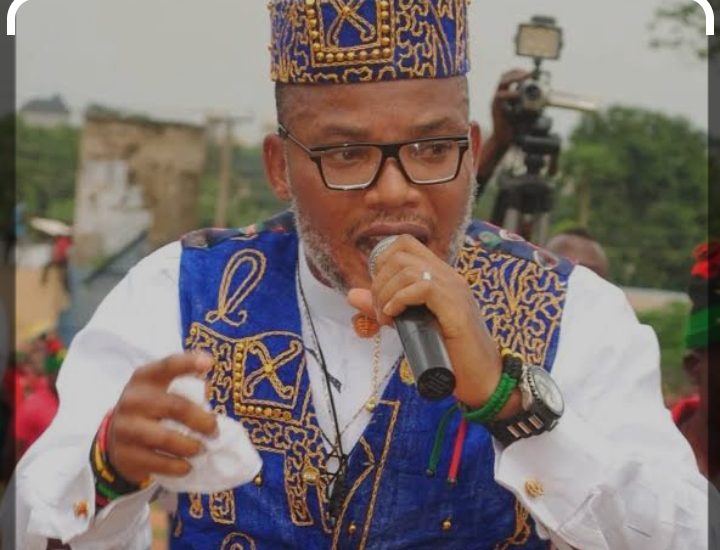
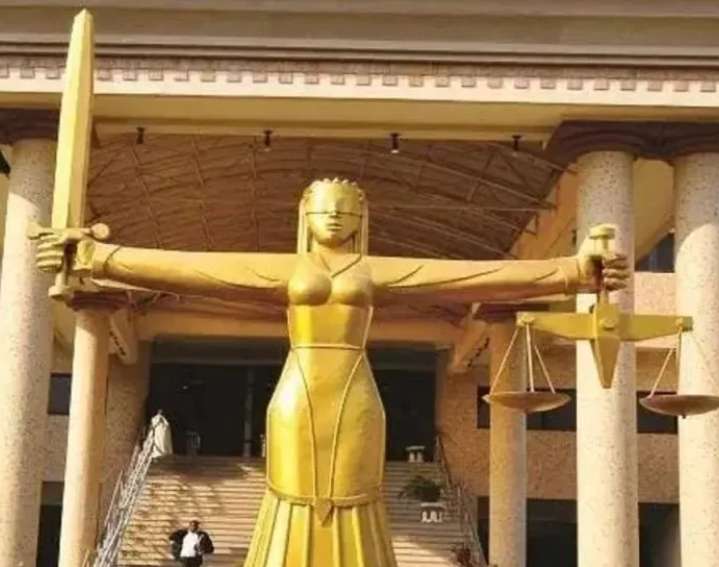
The ongoing case surrounding the detained leader of the Indigenous People of Biafra (IPOB), Mazi Nnamdi Kanu, has taken a new twist as his lead counsel, Barrister Aloy Ejimakor, his younger brother, Prince Emmanuel Kanu, and at least ten others were arraigned before the Kuje Magistrate Court in Abuja.
According to verified reports, those arrested were part of the ongoing #FreeNnamdiKanuNow peaceful demonstrations in the Federal Capital Territory. The police claimed the arrests were made in connection with alleged violations of public order during the protest. However, human rights advocates, legal practitioners, and pro-democracy groups have condemned the development, describing it as an “attack on the rule of law” and a “suppression of civic freedom.”
The Arrest and Arraignment
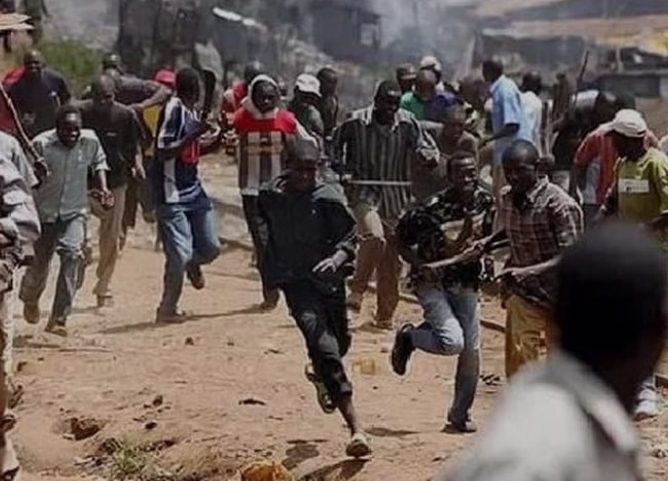
Eyewitnesses reported that the peaceful protest calling for Nnamdi Kanu’s release was met with a heavy security response. Armed police officers reportedly fired tear gas and used water cannons to disperse protesters who had gathered near the Federal High Court and other strategic points in Abuja.
Barrister Aloy Ejimakor, who serves as the lead counsel for Nnamdi Kanu, was reportedly taken into custody alongside Prince Emmanuel Kanu and several other supporters. They were subsequently transferred to the Kuje Magistrate Court for arraignment.
Sources within the court confirmed that the group was charged with offenses bordering on unlawful assembly, disturbance of public peace, and conduct likely to cause a breach of peace. Legal analysts, however, argue that the charges appear politically motivated and inconsistent with the constitutional rights to peaceful protest and freedom of expression.
Background and Legal Context
The detention of Nnamdi Kanu has remained one of the most contentious political and human rights issues in Nigeria. Kanu, who is both a Nigerian and British citizen, has been in prolonged detention despite multiple court rulings ordering his release.
His case dates back to 2015 when he was first arrested and charged with treasonable felony. Though granted bail in 2017, he fled Nigeria after a military raid on his home in Abia State. He was later re-arrested in Kenya in 2021 and repatriated to Nigeria under circumstances that many international observers described as extraordinary rendition.
Since his re-arrest, IPOB supporters have continued to demand his unconditional release. The recent #FreeNnamdiKanuNow protests in major cities including Lagos, Enugu, and Abuja were part of a renewed call for justice, which authorities have repeatedly met with force.
The latest arrests of his lawyer and brother further complicate an already delicate case that has both local and international attention.
Legal Concerns and Implications
The arrest of a legal counsel representing a detainee is seen by many as a direct threat to the independence of the judiciary and the sanctity of fair trial rights.
According to Section 36 of the Nigerian Constitution, every accused person is entitled to adequate legal representation. By detaining Barrister Ejimakor, authorities may have inadvertently restricted Kanu’s right to counsel of his choice.
Legal experts argue that if the arrest occurred while Ejimakor was performing his professional duty or participating in a peaceful demonstration, it would amount to a violation of his professional rights and an obstruction of justice.
The Nigerian Bar Association (NBA) is expected to react strongly to this development, as it touches on the core principles of legal independence and freedom of advocacy.
Widespread Reactions
Human Rights Activists:
Prominent human rights campaigners such as Omoyele Sowore, Aisha Yesufu, and Deji Adeyanju have strongly condemned the arrests, calling them an “abuse of power” and “a dangerous step toward dictatorship.” They insisted that peaceful protest is a fundamental right, not a privilege granted by the state.
Civil Society Organizations:
Amnesty International Nigeria and several advocacy groups have issued statements urging the Nigerian government to release all detained protesters immediately and respect their constitutional rights.
Police Response:
The Nigeria Police Force, in an official statement, defended its actions, claiming the protests turned disruptive and that several roadblocks had been erected by participants, obstructing traffic flow. The statement emphasized that the arrests were lawful and intended to maintain public order and protect citizens.
However, many eyewitnesses and video evidence circulating on social media suggest the protests remained peaceful until security operatives moved in with force.
Political and Diplomatic Dimensions
Nnamdi Kanu’s case has become not only a legal battle but also a diplomatic and political one. Being a British citizen, his prolonged detention and alleged ill-treatment have drawn the attention of the British Parliament and international human rights organizations.
The arrest of his lawyer and brother may attract renewed international scrutiny, potentially straining Nigeria’s diplomatic relations with the United Kingdom and raising questions about the country’s adherence to human rights standards.
Observers believe that these recent developments could also fuel renewed agitation in the South-East region, as supporters interpret the arrests as a broader campaign against the Igbo people and their demand for justice.
The Broader Impact on Nigeria’s Democracy
The incident highlights a growing concern about shrinking civic space in Nigeria. In recent years, authorities have increasingly used state power to suppress protests, silence dissenting voices, and criminalize legitimate activism.
The #EndSARS movement of 2020, for example, was met with a similar pattern of arrests, intimidation, and denial of accountability. Analysts warn that if the government continues to treat lawful protest as insurrection, it risks further alienating citizens and deepening public mistrust in state institutions.
For a democracy that prides itself on constitutional freedoms, this ongoing pattern of repression undermines Nigeria’s democratic image both locally and internationally.
Expert Analysis: What Lies Ahead
Legal analysts believe the prosecution may struggle to secure convictions unless it presents credible evidence of violence or incitement. If the defense successfully argues that the arrests violated constitutional rights, the case could be dismissed for lack of merit.
However, observers caution that politically sensitive cases in Nigeria often transcend pure legal reasoning, with outcomes sometimes influenced by political considerations.
If the court grants bail, it will be a significant relief for the accused and may ease growing tensions in the South-East. Conversely, a decision to remand them could inflame protests and trigger further unrest.
Next Steps and What to Watch
1. Court Proceedings: The next court appearance will determine whether the defendants are granted bail or remanded in custody.
2. NBA and Legal Community Response: The stance of the Nigerian Bar Association will be crucial, especially regarding the protection of legal practitioners’ rights.
3. International Reaction: Human rights organizations and foreign missions may issue formal statements if the situation deteriorates.
4. Public Response: Activists are already calling for a nationwide solidarity protest, potentially escalating tensions if not properly managed.
Final Thoughts
The arraignment of Nnamdi Kanu’s lawyer, brother, and supporters is not just another courtroom drama — it is a critical test of Nigeria’s commitment to democracy, justice, and human rights. The world is watching how the government handles this delicate matter.
As events unfold, one thing remains clear: the struggle for justice and freedom of expression in Nigeria continues to define the nation’s democratic future.
SaharaNews247 will continue to monitor developments, verify facts, and provide credible updates as more information emerges from the court proceedings.
Author Bio
Chinedu Okafor is a senior political correspondent with SaharaNews247. He covers national politics, governance, and human rights issues with over eight years of experience in investigative journalism. He is passionate about promoting justice, transparency, and press freedom in Nigeria.