A Quiet Village Interrupted by Violence
Mallamawar Yari is a modest rural settlement where life traditionally follows the rhythms of farming seasons and communal routines. Located in of , the village represents hundreds of similar communities scattered across Nigeria’s northwestern region—communities that have increasingly found themselves on the front lines of the country’s persistent banditry crisis.
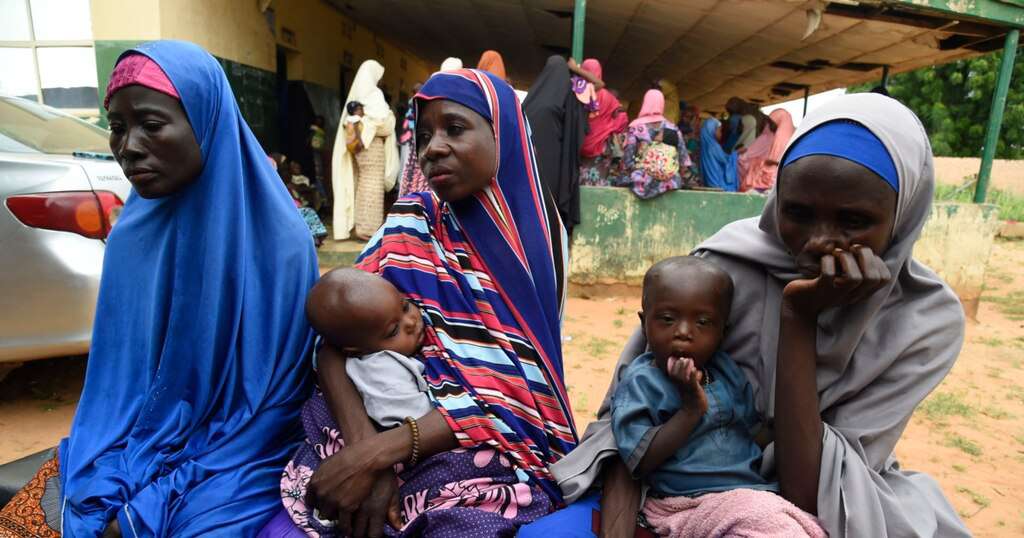
Late at night, residents say the calm of the village was broken by the sound of gunfire. Armed men believed to be bandits entered the settlement under the cover of darkness, moving quickly through residential compounds while firing sporadically. Panic spread as villagers fled their homes, seeking safety in nearby fields and bush paths.
By the time the attackers left the area, one resident had been killed and several others were abducted and taken away.
The raid itself was not unusual in a region that has endured repeated attacks over the past decade. What made this incident unusual was what happened afterward. Within hours of the attack, claims began circulating on social media suggesting that the gunmen had disguised themselves in women’s hijabs before entering the community.
The claim spread rapidly online, sparking public debate and concern. But security authorities soon disputed the narrative, saying there was no evidence to support it.
Officials from the confirmed the attack but stated that investigations had found no indication that the attackers wore disguises during the raid.
The incident has since highlighted two overlapping challenges confronting Nigeria today: the ongoing threat of banditry across the northwest and the growing influence of misinformation during moments of national insecurity.
What Residents Say Happened That Night
According to residents who spoke after the attack, the gunmen arrived late at night when most families had already retired indoors. The attackers reportedly moved quickly through the village, firing into the air and shouting commands intended to intimidate residents.
Villagers fled in different directions, with some hiding in nearby vegetation while others ran toward neighbouring communities.
During the raid, one resident lost his life. Several others were forcibly taken away by the attackers.
Kidnapping for ransom has become a defining tactic used by armed groups operating across northwestern Nigeria. Victims are often transported to remote forest camps where negotiations with families can continue for extended periods.
Residents of Mallamawar Yari said the attackers withdrew from the village before security personnel arrived.
Like many communities across the region, the village has limited security presence and relies heavily on informal vigilance by residents to monitor suspicious activity.
Police Reject the Hijab Disguise Narrative
Shortly after the attack, claims began circulating online suggesting that the attackers had disguised themselves in hijabs to avoid detection before launching the raid.
The allegation gained rapid attention on social media platforms, where it was repeated widely before authorities had completed their preliminary assessment of the incident.
However, the later dismissed the claim.
Police spokesperson Ahmed Rufai confirmed the attack but said that field reports from responding officers did not support the narrative that the attackers wore disguises.
Security officials said it is common for inaccurate or exaggerated accounts to emerge immediately after violent incidents, particularly when frightened residents attempt to describe events that unfolded rapidly in the dark.
Authorities warned that spreading unverified claims—especially those involving religious or cultural symbols—can create unnecessary tension and distract attention from the real security challenges affecting communities.
How Banditry Became a Major Security Crisis
The attack in reflects a broader security crisis that has spread across northwestern Nigeria over the past decade.
States including , , , and have experienced repeated raids by armed groups commonly referred to as bandits.
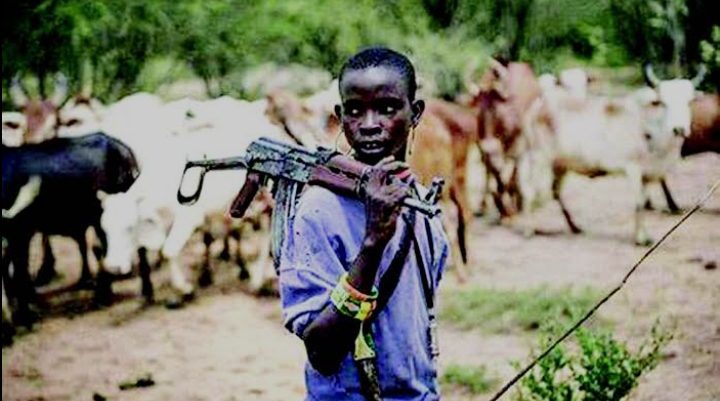
The origins of this crisis can be traced to earlier disputes involving cattle rustling and competition over grazing routes and farmland. In many rural areas, tensions between pastoralist groups and farming communities created conditions for criminal networks to emerge.
Over time, these networks evolved into more organised armed groups capable of carrying out coordinated attacks on villages.
What began primarily as cattle theft gradually expanded into kidnapping, extortion, and violent raids on rural communities.
As ransom payments increased, kidnapping became one of the most profitable activities for these groups. Families desperate to secure the release of abducted relatives often raise substantial funds, sometimes by selling farmland, livestock, or other assets.
This cycle has contributed to the persistence of the crisis.
Forest Corridors and the Geography of Insecurity
One of the factors complicating security efforts in northwestern Nigeria is the region’s geography.
Large forest reserves stretch across several states, creating corridors that allow armed groups to move between territories with relative ease. These forests provide natural cover where bandits can establish camps far from major towns.
When attacks occur, the attackers can quickly retreat into remote terrain where security patrols face logistical challenges.
Communities located near these forest corridors remain particularly vulnerable because armed groups can approach villages rapidly and disappear before security forces arrive.
Joint operations conducted by the and the have targeted several bandit camps in these forest regions over the years.
Despite these operations, the mobility of armed groups and the scale of the terrain continue to pose serious challenges for security agencies.
Rural Communities Living Under Threat
For many rural communities across northwestern Nigeria, the threat of bandit attacks has reshaped daily life.
Farmers who once cultivated land freely now approach agricultural activities with caution. In some areas, residents report that armed groups demand informal payments before allowing farmers to access their fields.
Others have reduced farming activities altogether, fearing that working in remote fields could expose them to kidnapping.
These disruptions have broader economic implications. Northern Nigeria is one of the country’s major agricultural zones, producing grains and other staple crops that supply markets across the country.
When insecurity disrupts farming activities, the effects extend beyond rural communities, influencing food supply and market prices in urban areas.
Families displaced by repeated attacks often relocate to nearby towns where housing and employment opportunities are limited.
Children in affected communities also face interruptions to their education when schools close or families move in search of safety.
Government Security Response
In response to the growing threat of banditry, Nigerian authorities have launched a series of security operations targeting armed groups operating across the northwest.
Joint campaigns involving the and the have sought to dismantle bandit camps located in forest areas.
These operations have sometimes resulted in the rescue of abducted victims and the destruction of criminal hideouts.
State governments have also introduced local security initiatives aimed at strengthening intelligence gathering and community vigilance.
Despite these efforts, security analysts say the complexity of the crisis means that military operations alone may not resolve the problem.
Long-term stability may depend on improvements in rural policing, stronger intelligence networks, and economic initiatives that address poverty and unemployment in vulnerable communities.
The Challenge of Misinformation in Security Reporting
The controversy surrounding the hijab disguise claim illustrates the broader challenge of misinformation in the digital age.
In the immediate aftermath of violent incidents, eyewitness accounts are often incomplete. When these accounts are shared widely on social media, they can quickly evolve into widely accepted narratives even before authorities verify the details.
Claims involving cultural or religious identity tend to spread particularly quickly because they evoke strong emotional responses.
Media analysts warn that repeating such claims without verification can deepen social tensions and undermine public trust in reliable information sources.
Responsible journalism therefore requires careful verification and clear separation between confirmed facts and unverified accounts.
Why Accurate Reporting Matters
For communities already living under the threat of violence, the accuracy of information is critical.
Misinformation can distort public understanding of events, inflame tensions, and complicate efforts by authorities to manage security situations.
Professional news organisations rely on multiple sources, official statements, and careful verification before presenting sensitive claims as fact.
This process is essential not only for maintaining journalistic credibility but also for ensuring that public discussions about security issues are grounded in reliable information.
Looking Ahead
The attack on Mallamawar Yari reflects the ongoing security challenges facing rural communities across northwestern Nigeria.
While security operations continue, armed groups remain capable of exploiting difficult terrain and gaps in rural policing.
At the same time, the rapid spread of misinformation following the attack demonstrates how quickly unverified claims can shape public narratives during moments of crisis.
For communities living under constant threat, both security and accurate information remain essential.
Ensuring that public understanding of events is guided by verified facts rather than speculation is a responsibility shared by authorities, journalists, and citizens alike.
Author Bio
Smart Chuks is a Nigerian journalist and publisher who reports on governance, national security, and public policy. His work focuses on conflict dynamics, accountability in public institutions, and the evolving challenges shaping Nigeria’s democratic and security landscape.