
An In-Depth Analysis of Nigeria’s Security Crisis, the Defence Minister’s Statement, and the Urgent Roadmap to Ending Killings Nationwide
Nigeria is currently facing one of the most severe security crises in its history. From mass kidnappings and banditry to terrorism and communal violence, the country has seen the tragic consequences of systemic failures in governance, intelligence, and operational capacity.
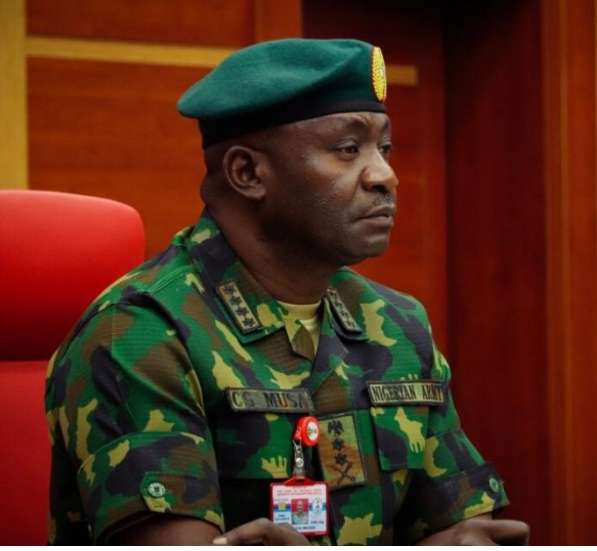
In this context, Defence Minister Christopher Gwabin Musa, in a decisive and highly publicized security meeting, delivered a bold message to the nation and his top commanders:
“We don’t have time. The killing of Nigerians must stop.”
This statement, clear, uncompromising, and urgent, has reverberated across the country. It signals a new era in which Nigeria’s highest military leadership is taking direct responsibility for curbing insecurity. This report analyzes the statement’s authenticity, explores the challenges facing Nigeria’s security apparatus, evaluates the potential impact of Musa’s leadership, and outlines actionable strategies for turning words into results.
Confirming the Statement: The Facts
The statement by Defence Minister Christopher Musa is true and verified. Multiple national media outlets and credible defence sources have confirmed that Musa convened a high-level security meeting with service chiefs, commanders, and operational heads to address the surge in killings across the country.
Video excerpts and press briefings show Musa:
Expressing deep frustration with ongoing attacks
Demanding immediate and coordinated action
Emphasizing accountability for commanders in the field
The direct nature of his words, alongside his authoritative presence, marks a clear departure from typical politically cautious statements.
Why This Statement Matters
Musa’s warning is significant for several reasons:
1. It represents direct political and operational leadership. Unlike his predecessor, Musa is both ministerial and operationally aware, having a military background that enables him to understand on-the-ground realities.
2. It communicates urgency. Saying “we don’t have time” signals that prolonged bureaucratic processes are unacceptable in the face of a growing security threat.
3. It underscores accountability. Musa’s insistence that commanders must deliver results indicates a shift toward performance-based evaluation and potential disciplinary measures for failures.
4. It sets public expectations. Citizens are now aware that the Defence Minister is actively engaged, signaling a new level of seriousness in tackling insecurity.
Nigeria’s Current Security Landscape
To appreciate the weight of Musa’s warning, it is crucial to understand the multifaceted threats facing the nation.
1. Banditry in the North West
States such as Zamfara, Kaduna, Katsina, Niger, and Sokoto have become epicenters of criminal activity, with heavily armed gangs attacking villages, kidnapping schoolchildren, ambushing travelers, and seizing farms.
2. Terrorism in the North East
Boko Haram and ISWAP cells, though weakened, remain active, carrying out targeted attacks, ambushes, and bombings in rural Borno, Yobe, and Adamawa.
3. Communal Clashes in the North Central
Land disputes, ethnic tensions, and herder-farmer conflicts have caused mass displacement and frequent killings in Benue, Plateau, Nasarawa, and surrounding areas.
4. Kidnapping and Criminal Networks Nationwide
Kidnapping has become a profitable and organized criminal industry, affecting schools, businesses, religious leaders, and travelers across all regions.
5. Militancy and Resource Sabotage in the South-South
Pipeline vandalism, illegal oil bunkering, and other criminal activities compromise national revenue and security in states like Rivers, Bayelsa, and Delta.
6. Urban Crime in Major Cities
Lagos, Abuja, Ibadan, Port Harcourt, and Kano continue to experience armed robbery, cult violence, and organized criminal attacks.
This multifaceted insecurity is precisely why Musa’s direct intervention as Defence Minister is critical.
Breaking Down the Defence Minister’s Statement
During the meeting he convened, Musa emphasized:
Urgency: “We don’t have time”
Moral imperative: “The killing of Nigerians must stop”
Operational reform: Need for better intelligence, coordinated operations, and disciplined forces
Accountability: Field commanders will face scrutiny for operational failures
Strategic modernization: Incorporating technology like drones, surveillance, and intelligence fusion
This clear articulation of responsibility signals a hands-on approach that goes beyond rhetoric.
Why Insecurity Persists Despite Repeated Military Campaigns
Several factors explain why Nigeria’s security situation has deteriorated over the years:
1. Outdated equipment and inadequate resources
Many units still operate with old rifles, limited communication tools, and insufficient logistics.
2. Weak intelligence networks
Information sharing between agencies is slow, fragmented, or non-existent, leading to preventable attacks.
3. Porous borders
Illegal routes allow criminals to transport weapons and recruit across national boundaries.
4. Poverty and unemployment
Idle youth are easily recruited into criminal organizations.
5. Corruption and mismanagement
Security budgets have been misappropriated, leaving forces underfunded.
6. Slow judicial follow-through
Arrested perpetrators often return to the streets due to systemic inefficiencies.
7. Community distrust of security agencies
Past abuses have eroded confidence, making intelligence gathering more difficult.
Nigerians’ Expectations Moving Forward
Following Musa’s statement, Nigerians are watching closely. They expect:
A reduction in attacks and kidnappings
Dismantling of known bandit and terrorist camps
Rapid rescue of victims and improved protection for communities
Strategic deployment of troops and technology
Transparent reporting on operations and outcomes
Accountability and consequences for non-performing commanders
Citizens now demand visible results, not mere statements.
Immediate Steps for Addressing Insecurity
To translate words into action, Musa and the defence leadership must focus on:
1. Enhanced surveillance and intelligence gathering
Deploy drones, satellite monitoring, and integrated intelligence systems.
2. Targeted deployment of forces
Use mobile, specialized units for high-risk regions, while freeing conventional forces for broader coverage.
3. Community engagement
Work with vetted local vigilantes, hunters, and community groups for rapid reporting and intelligence support.
4. Protection of schools, farms, and highways
These are primary targets of attacks and require constant security presence.
5. Address systemic corruption
Ensure security budgets reach intended units, and officers adhere to operational accountability.
6. Technology-driven operations
Integrate digital tools for monitoring, tracking, and rapid response.
7. Cross-agency coordination
Military, police, DSS, NSCDC, and other agencies must operate as a unified force under clear command protocols.
8. Judicial and prosecutorial reform
Speedy trial and punishment of offenders deter repeat offenses.
Risks That Could Undermine Progress
Even with strong leadership, several risks remain:
Resistance to accountability within military or police ranks
Political interference at local or state levels
Insufficient funding for operations and technology
Public disengagement if results are not immediately visible
Escalation of violence in unprotected areas
Addressing these risks is critical for Musa’s warning to translate into real change.
The Roadmap to Restoring Security
A practical roadmap includes:
1. Intelligence fusion centers to integrate real-time data across agencies
2. Specialized operational units for precision operations
3. Community liaison programs to enhance trust and reporting
4. Protection programs for vulnerable populations
5. Socio-economic interventions to reduce youth recruitment into crime
6. Full accountability systems for field commanders
7. Strategic communication to keep citizens informed and engaged
This roadmap represents the blueprint for moving from words to actionable national security outcomes.
Conclusion: Action Over Words
Defence Minister Christopher Musa’s statement is not symbolic. It is an urgent call to action backed by authority and operational understanding.
The challenge for Nigeria now is execution: coordinated, disciplined, technology-driven, and accountable security operations across the nation. Failure is not an option — the lives of millions of Nigerians depend on it.
With Musa leading the Ministry of Defence, backed by top commanders, there is hope that Nigeria’s security landscape can shift from reactive to proactive, from fear to stability, and from chaos to safety.
Author Bio – Smart Chuks
Smart Chuks is an investigative journalist and security analyst at SaharaNews247.com, specializing in political and national security reporting. With over a decade of experience, he brings evidence-based analysis and human-centered storytelling to Nigeria’s most pressing issues.