
By Smart Chuks
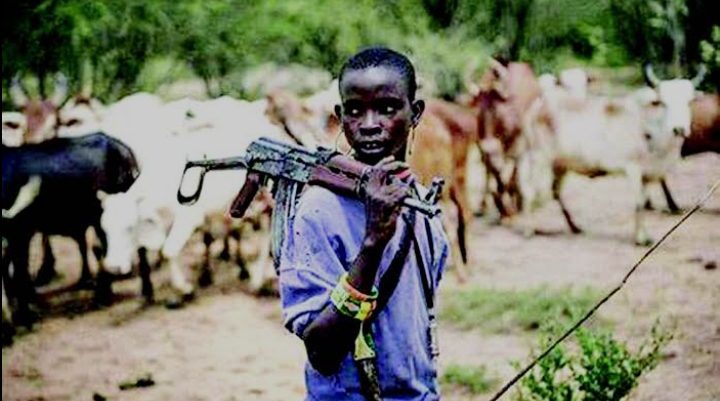
Obi, Nasarawa State — A pall of grief and fear has descended on the Tiv community of Tse Yange in Obi Local Government Area of Nasarawa State following a brutal overnight attack by armed men suspected to be herdsmen, an assault that left the village head dead, several residents injured, and an unknown number of villagers reportedly abducted.
The attack, which residents say occurred late on Sunday night and stretched into the early hours of Monday morning, has once again thrown a spotlight on the worsening security crisis across Nigeria’s Middle Belt, where rural communities continue to bear the brunt of violent conflicts linked to land disputes, armed banditry, and the collapse of effective local security structures.
For the people of Tse Yange, a quiet farming settlement tucked within the volatile Benue–Nasarawa corridor, the night turned into what survivors now describe as one of the darkest moments in the community’s history.
A Night the Village Will Not Forget
According to multiple residents who spoke to SaharaNews247, the attackers stormed the village under the cover of darkness, firing sporadically as terrified villagers fled into nearby bushes and farmlands.
“They came suddenly, shooting everywhere. People were screaming and running. We didn’t even know how many they were because it was dark,” one resident said, requesting anonymity for security reasons. “Our village head was caught. They killed him. Some people were taken away. Many of us just ran for our lives.”
Another local source confirmed that several houses were set ablaze during the attack, while farmlands and food stores were vandalised, compounding what is already a dire humanitarian situation for families preparing for the planting season.
By dawn, the village had been transformed into a scene of devastation. Burnt structures, scattered household items, and blood-stained footpaths marked the trail of the attackers. Survivors, many of whom spent the night hiding in bushes, returned to search for missing relatives and assess the scale of the damage.
“This is not just about one man dying. It is the collapse of our entire community,” said a youth leader in Tse Yange. “Our chief is gone. Our people are scattered. Nobody feels safe anymore.”
The Killing of a Traditional Authority
The killing of the village head has sent shockwaves far beyond Tse Yange. In rural Nigerian communities, traditional rulers are not just symbolic figures; they are the backbone of social order, conflict resolution, and communal stability.
Residents described the slain village head as a respected leader who had consistently advocated peaceful coexistence between farmers and herders in the area. His death, they say, represents not just a personal loss but a strategic blow to community leadership.
“When you kill a village head, you are killing the heart of the community,” one elder told SaharaNews247. “It sends a message that nobody is safe, not even our leaders.”
Abductions and Injuries
While official casualty figures remain unavailable as of press time, local accounts indicate that several villagers were injured during the attack, with some sustaining gunshot wounds and others suffering fractures and trauma while fleeing.
They are currently receiving treatment at nearby health centres in Obi and neighbouring communities, although residents complain that medical facilities in the area are poorly equipped to handle emergency cases of this scale.
More troubling are reports that some villagers were abducted by the attackers. The exact number remains unclear, but families say several people, including women and young men, are still unaccounted for.
“They took people away with them. We don’t know where they are. We are afraid they may ask for ransom or worse,” a resident said.
Silence from Authorities
As of Monday afternoon, neither the Nasarawa State Police Command nor the state government had issued an official statement confirming the attack or providing details on casualties, arrests, or ongoing security operations.
Security operatives were reportedly deployed to the area, but residents expressed frustration over what they described as a pattern of delayed response.
“This is always how it happens. They come after the damage is done,” said one community member. “We need protection, not sympathy visits.”
Efforts by SaharaNews247 to reach the Nasarawa State Police Public Relations Officer for comment were unsuccessful as calls went unanswered.
A Familiar Pattern of Violence
The attack in Tse Yange is not an isolated incident. It fits into a broader and deeply troubling pattern of violence that has plagued communities across Nasarawa, Benue, Plateau, and parts of Kaduna states over the past decade.
These regions, often described collectively as Nigeria’s Middle Belt, have become epicentres of recurring conflicts between farming communities and armed groups widely believed to include criminal herders, bandits, and militia elements.
What began years ago as disputes over grazing routes and farmland has increasingly evolved into full-scale armed violence, involving automatic weapons, coordinated raids, mass displacements, and targeted killings.
In Obi Local Government Area alone, residents recount multiple incidents in recent years involving raids on villages, destruction of crops, and sporadic killings that rarely result in arrests or prosecutions.
“This has been happening for a long time, but nobody talks about it until someone important dies,” a local activist told SaharaNews247. “We have been warning the government. They did nothing.”
The Human Cost Behind the Headlines
Beyond the statistics and security reports lies a deeper humanitarian crisis that rarely receives sustained attention.
Communities like Tse Yange are primarily agrarian. Farming is not just an occupation; it is the foundation of survival. When villages are attacked, the impact goes far beyond immediate casualties.
Families lose homes, food reserves, seed stocks, and livestock. Children are withdrawn from school. Women become widows overnight. Young men abandon farms for urban centres, deepening rural poverty and food insecurity.
“This attack has destroyed our planting season,” a farmer said. “Even if there is peace now, what will we eat in six months?”
The long-term psychological impact is equally severe. Survivors speak of sleepless nights, constant fear, and trauma that lingers long after the attackers have disappeared.
“My children still wake up crying,” a mother of four said. “They think the gunmen will come back.”
Weak Security Architecture
Security experts argue that the repeated attacks across rural Nigeria point to a systemic failure of local security structures.
Despite the presence of police divisions and military formations in Nasarawa State, vast rural areas remain effectively ungoverned, with limited patrols, poor intelligence gathering, and inadequate response capacity.
In many cases, communities rely on self-help measures such as vigilante groups, which are often poorly trained and outgunned by armed attackers.
“The attackers know the terrain better than the security agencies,” said a security analyst familiar with the region. “They strike at night, retreat into forests, and disappear before reinforcements arrive.”
The porous borders between Nasarawa, Benue, and Taraba states further complicate security operations, allowing armed groups to move freely across state lines.
Governance and Accountability Questions
The latest tragedy has reignited questions about the role of both federal and state governments in addressing rural insecurity.
Despite billions of naira allocated annually to defence and internal security, rural communities continue to experience what many describe as a complete absence of state protection.
Civil society groups argue that the problem is not just resources but political will, coordination, and accountability.
“Every time there is an attack, officials promise investigations. Nothing happens. No arrests. No trials. No justice,” said a human rights advocate based in Lafia. “Impunity is the real crisis.”
The killing of a traditional ruler, observers say, should trigger a more serious and transparent response from authorities, including independent investigations, public briefings, and long-term security planning.
Middle Belt: Nigeria’s Silent War Zone
While insurgency in the North-East and banditry in the North-West dominate national headlines, violence in the Middle Belt has remained a largely underreported crisis.
Yet, according to independent conflict monitors, the region has recorded thousands of deaths and massive displacement over the past decade, with communities caught in cycles of revenge attacks and unresolved grievances.
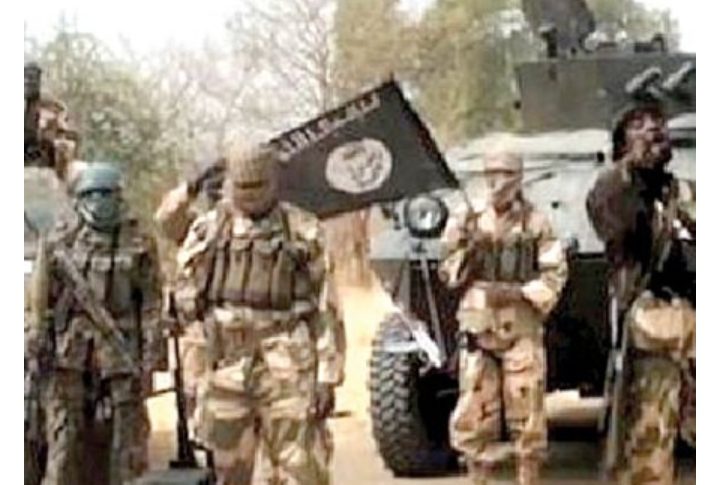
Unlike Boko Haram or ISWAP, the perpetrators in Middle Belt violence are often poorly defined, making accountability even more elusive.
“They are not a single group. It is a mix of criminal gangs, armed herders, local militias, and opportunistic bandits,” a conflict researcher explained. “That makes the conflict harder to resolve and easier to ignore.”
The Politics of Denial
One of the most controversial aspects of rural violence in Nigeria is the reluctance of authorities to name or categorise perpetrators.
Terms like “unknown gunmen” or “suspected herdsmen” are frequently used, even when communities consistently report similar patterns of attack.
This ambiguity, analysts argue, undermines justice and allows the crisis to persist without clear policy direction.
“If you don’t define the problem, you can’t solve it,” said a sociologist at a Nigerian university. “We keep dancing around the issue instead of confronting it.”
Calls for Urgent Action
In the aftermath of the Tse Yange attack, civic groups, traditional leaders, and community organisations are demanding urgent intervention.
Their demands include:
- Permanent security deployment in vulnerable rural areas
- Improved intelligence gathering at the community level
- Prosecution of perpetrators
- Support for displaced families
- Reconstruction of destroyed communities
Above all, they are calling for a shift from reactive security to preventive governance.
“We don’t want condolence messages. We want protection,” a community leader said.
A Community in Mourning, a Nation on Trial
For the people of Tse Yange, the road ahead is uncertain. With their village head gone, homes destroyed, and residents missing, the community faces a long and painful recovery.
Yet their story reflects a broader national tragedy: a country where rural citizens feel abandoned, traditional institutions are under attack, and violence has become normalised.
“This is not just about Tse Yange. It is about Nigeria,” a local teacher said. “If the government cannot protect small villages, then who is really safe?”
SaharaNews247’s Editorial Position
The killing of a village head in Nasarawa is not merely a local crime story. It is a national security failure, a governance crisis, and a humanitarian emergency rolled into one.
Until rural insecurity is treated with the same urgency as terrorism and urban crime, communities like Tse Yange will continue to suffer in silence.
This tragedy must not become another forgotten headline.
Developing Story
As of press time, official casualty figures, identities of abducted villagers, and details of security operations remain unclear. SaharaNews247 will continue to monitor the situation and provide verified updates as more information emerges.
Author Bio
Smart Chuks is an investigative journalist and senior correspondent with SaharaNews247, specialising in security, governance, and human rights reporting across Nigeria. He focuses on uncovering systemic failures, rural conflicts, and accountability gaps in public institutions. His work is driven by a commitment to factual accuracy, social justice, and public-interest journalism.