
By Chidi Nwosu | SaharaNews247
Introduction
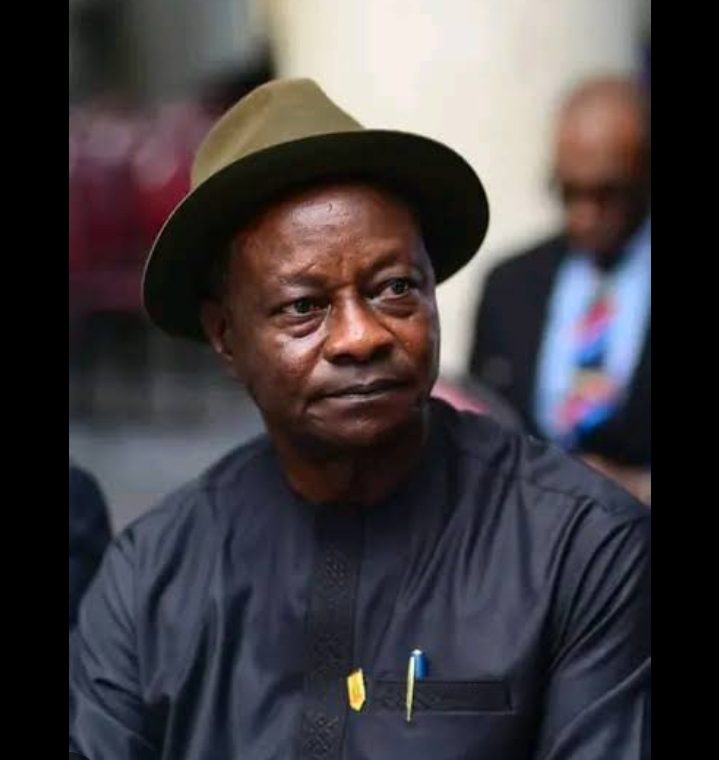
Nigeria’s political space has once again been stirred by controversy following comments from former Ekiti State Governor, Ayodele Fayose, who boldly declared that three more governors will soon defect from the Peoples Democratic Party (PDP).
The statement, made during a Channels Television interview, comes at a time when the PDP is battling deep internal crises, repeated defections, and dwindling public confidence ahead of the 2027 general elections.
But how true is this claim? Are more governors preparing to abandon the opposition party? Or is this another political strategy designed to pressure PDP leaders?
SaharaNews247 investigates the facts, context, and implications behind Fayose’s explosive statement.
Fayose’s Remark and Media Reactions
During the live interview on October 15, 2025, Fayose predicted that three more PDP governors would soon dump the party. He argued that the PDP had been weakened by “internal sabotage, greed, and leadership failures,” warning that only five governors might remain before the next elections.
His statement quickly went viral as top media outlets — Vanguard, Punch, and Daily Post — reported his comments. Yet, crucially, none of the reports contained verifiable details such as names of the supposed governors or evidence of imminent defection.
As of this publication, no PDP governor has officially confirmed any plan to leave the party. This means Fayose’s assertion remains a political forecast, not an established fact.
The Wave of PDP Defections in 2025
Fayose’s claim is gaining traction largely because of recent defections that have rocked the PDP and changed Nigeria’s political landscape.
Earlier this month, Governor Peter Mbah of Enugu State officially joined the ruling All Progressives Congress (APC). Reports have also linked Governor Douye Diri of Bayelsa and Governor Umo Eno of Akwa Ibom to ongoing talks with APC officials.
These developments reflect a troubling trend for the PDP — one that could further weaken its grip on national politics if not urgently addressed
Why Governors Defect: The Real Motives
Political defections are not new in Nigeria. Since the return to democracy in 1999, governors have switched party allegiance for various reasons. Understanding these motives helps explain the current wave of realignments.
1. Political Survival and Access to Power
Governors often defect to align with the ruling party at the federal level. Doing so ensures easier access to federal funds, political appointments, and major infrastructure projects that benefit their states.
2. Strategic Preparation for 2027
With elections approaching, some governors are rebranding for post-tenure relevance — targeting senate seats, ministerial appointments, or national influence. Defection can serve as a bridge to those ambitions.
3. Internal Party Crises
Fayose’s reference to “internal sabotage” points to factionalism within PDP. Disagreements over zoning, primaries, and leadership positions have fueled frustration among party stakeholders.
4. Political Deals and Security Protection
In certain cases, defections are tied to negotiated deals involving political immunity, protection from prosecution, or favourable federal support for allies.
These factors combined make Fayose’s prediction plausible, though not yet provable.
How Defections Happen in Practice
A governor’s defection is not just a political announcement — it triggers a series of administrative and legislative changes that can reshape state politics.
Typically, the process involves:
A public declaration of defection, often in a rally attended by top party leaders.
Realignment in the State Assembly, where lawmakers decide whether to follow the governor or stay loyal to the old party.
Cabinet reshuffles, as commissioners and aides resign or switch sides.
Shifts in state–federal relations, with defected governors often gaining faster access to federal projects.
Even rumours of defection can disrupt governance, trigger power tussles, and realign loyalties across local governments.
The State of the PDP in Late 2025
As of October 2025, the PDP controls fewer than ten states — its weakest position since 1999. The party’s internal cracks have deepened, leaving members frustrated and uncertain.
Key issues plaguing the PDP include:
Leadership wrangles between national and state executives.
Conflicting interests over the 2027 presidential ticket.
Lack of a clear ideological direction separating it from the APC.
Poor internal communication and delayed conflict resolution.
Fayose described this situation as evidence that the party has “lost its soul,” warning that more governors will flee unless the leadership takes immediate action.
Assessing Fayose’s Credibility
Ayodele Fayose has built a reputation as one of Nigeria’s most outspoken politicians. His predictions often reflect insider awareness, though he’s also known for dramatic political commentary.
In this case, his warning appears to be an informed projection, not a confirmed event. No concrete proof has emerged, and none of the governors allegedly involved have denied or confirmed his claim.
Still, Fayose’s past accuracy on internal party issues means his statement should not be dismissed entirely.
What Could Happen Next: Four Possible Scenarios
Based on political trends and insider reports, there are four likely outcomes following Fayose’s prediction.
Scenario 1: Staggered Defections
Some governors may quietly finalize their moves and announce defections within weeks or months, mirroring past patterns ahead of elections.
Scenario 2: Regional Realignments
Defections might cluster within certain geopolitical zones — especially the South-South and Southeast — where PDP’s influence has waned.
Scenario 3: Last-Minute Reconciliation
PDP leadership could step in with peace talks and incentives, convincing wavering governors to stay put before it’s too late.
Scenario 4: Political Bluffing
It’s also possible that Fayose’s statement is strategic — a calculated political warning meant to trigger reforms or expose internal divisions.
The Bigger Picture: Implications for 2027
If three more PDP governors indeed defect, the ripple effects would be significant.
For the PDP, the loss would further erode its national structure and weaken its negotiating power for the 2027 elections. The opposition could lose influence in the Senate, House of Representatives, and key states.
For the APC, more defections could strengthen its national dominance. However, absorbing defectors with competing ambitions could create new internal rivalries.
For Nigeria’s democracy, frequent defections blur ideological lines and reduce accountability. Voters may continue to see politics as a game of personal ambition rather than public service.
What PDP Must Do to Survive
Analysts say the PDP must move quickly to stabilize its structure and restore confidence. Key recommendations include:
1. Organize a Reconciliation Summit involving governors, former leaders, and grassroots delegates to resolve grievances.
2. Reform the party constitution to promote transparency and fairness in primaries and leadership elections.
3. Enhance communication strategy to rebuild public trust and counter APC propaganda.
4. Revive grassroots mobilization through ward-level engagement and youth involvement.
5. Promote merit-based leadership, ensuring loyalty is tied to performance, not personal allegiance.
If the PDP ignores these steps, Fayose’s prediction could soon become reality.
What to Watch in the Coming Weeks
Political watchers should keep an eye on several developments that could confirm or debunk Fayose’s forecast:
Public meetings between PDP governors and APC leaders.
Sudden changes in state assemblies or cabinet resignations.
Official press statements from PDP’s National Working Committee.
Large rallies or political gatherings hinting at realignment.
Each of these signals often precedes a major political shift.
Conclusion
Ayodele Fayose’s claim that three more PDP governors will soon defect remains plausible but unverified. It reflects the party’s internal instability rather than confirmed evidence of impending defections.
The PDP still has time to prevent further losses, but that window is closing rapidly. Whether Fayose’s prediction becomes a political prophecy or another exaggerated headline depends on how the PDP leadership responds in the weeks ahead.
For now, Nigerians should view his claim as a warning bell, not yet a confirmed political event — but one worth watching closely as the 2027 elections draw near.
Author Bio
Chidi Nwosu is a seasoned political correspondent with SaharaNews247, specializing in Nigerian governance, party politics, and election analysis.
He has covered major political transitions across Nigeria and is known for his deep insights into shifting power dynamics and leadership trends.
Follow Chidi on X (Twitter): @ChidiNwosu247