Author: Kabeer Bello, Senior Security Analyst and Policy Researcher
Introduction
Nigeria’s security landscape has deteriorated significantly in recent years, with escalating violence, insurgencies, and widespread insecurity affecting millions. In response to this crisis, the International Human Rights Commission – Relief Fund Trust (IHRC-RFT) Nigeria Chapter issued a compelling statement emphasizing the need for unity and collective responsibility to address the multifaceted security challenges facing the nation.
The Current Security Landscape in Nigeria
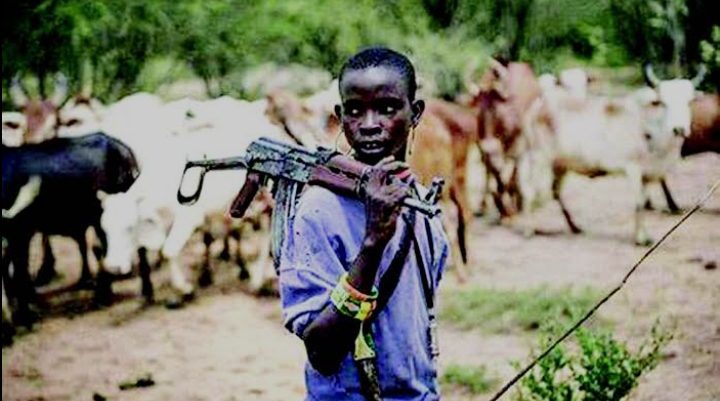
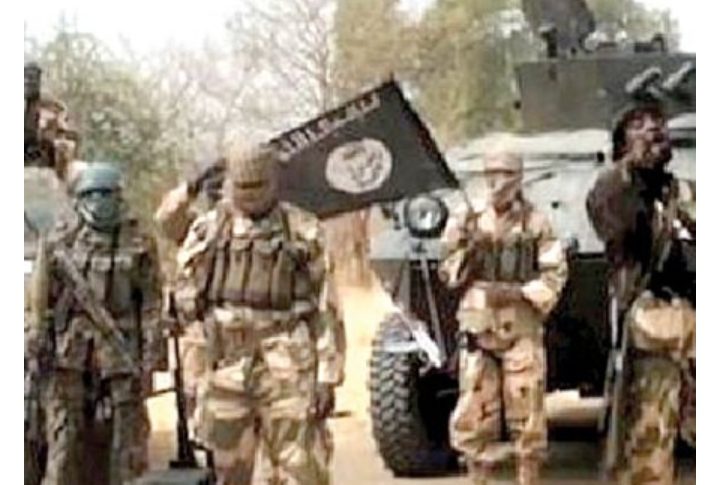
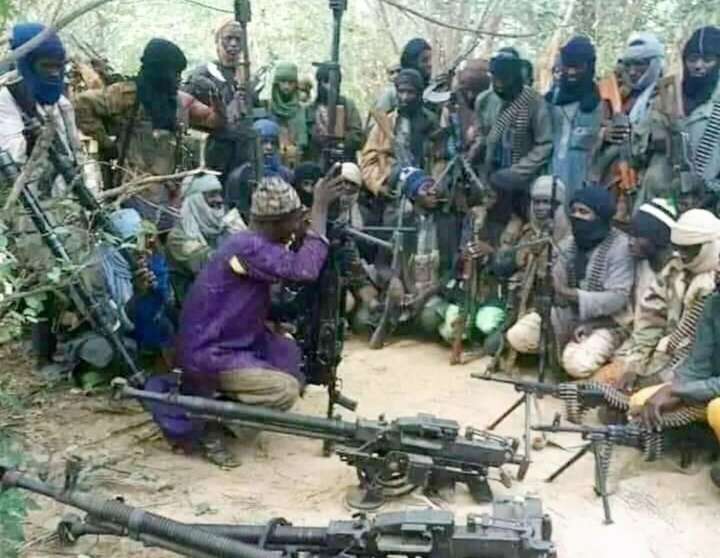
Nigeria is grappling with a complex security crisis characterized by insurgencies, banditry, ethnic conflicts, and terrorism. States such as Zamfara, Borno, and Plateau have been particularly affected, with frequent attacks on civilians and security personnel. Despite various military operations and government initiatives, the situation remains dire, leading to widespread displacement and humanitarian concerns.
According to recent reports, over 2,000 Nigerians have been killed in security-related incidents in the first half of 2025 alone, highlighting a sharp increase from previous years. These attacks not only threaten lives but also disrupt economic activities and social cohesion in affected communities.
IHRC-RFT’s Call for Unity and Responsibility
IHRC-RFT’s statement highlights the critical roles of individuals, traditional institutions, and government authorities in addressing insecurity:
1. Moral and Spiritual Mobilization: Faith leaders are urged to remind both leaders and followers of their accountability before God, emphasizing the sanctity of human life.
2. Role of Traditional Rulers: Traditional leaders are called upon to resist any form of collaboration with criminals and to act as custodians of conscience.
3. Political Accountability: Political leaders are reminded that power is a trust and a test from God, and they must exercise their authority with sincerity and responsibility.
4. Appeal to Criminal Elements: The commission appeals to those involved in banditry and terrorism to reflect and repent, noting that wealth, guns, or position cannot shield them from the consequences of their actions.
5. Public Engagement: The general public is encouraged to remain steadfast in prayers, supplications, and good deeds, emphasizing that security is a collective responsibility.
6. Government Action: IHRC-RFT urges the Federal Government to adopt decisive, people-centered measures that prioritize the protection of lives and property, warning that injustice and negligence only embolden criminal elements.
The Need for a Holistic Approach
IHRC-RFT’s call for unity and responsibility is both timely and necessary. While security agencies play a crucial role in combating crime, their efforts alone cannot address the root causes of insecurity. Poverty, unemployment, and social inequality contribute significantly to the proliferation of criminal activities. Therefore, a holistic approach involving all sectors of society is essential.
1. Strengthening Community Engagement
Communities should be empowered to play proactive roles in ensuring their security. Community policing initiatives, local intelligence gathering, and fostering trust between security agencies and the public are critical for early detection and prevention of crimes.
2. Socio-Economic Development
Addressing underlying socio-economic factors that fuel insecurity is crucial. Investments in education, healthcare, infrastructure, and job creation reduce the allure of criminal activities and provide young people with alternative pathways to livelihood.
3. Political Will and Accountability
Political leaders must demonstrate the will to implement policies that promote peace and security. This includes ensuring the effective deployment of resources, transparency in governance, and holding perpetrators of violence accountable.
4. Regional and International Cooperation
Insecurity in Nigeria often transcends national borders, with criminal networks operating across neighboring countries. Regional cooperation, intelligence sharing, and joint operations can significantly enhance the effectiveness of security efforts.
Recent Developments
Increased Violence in 2025: Reports indicate that at least 2,266 people were killed in the first half of 2025, compared to 1,083 in the same period of 2024, underscoring the escalating security challenges.
Food Insecurity Crisis: The World Food Programme warns of an “unprecedented hunger crisis” in northern Nigeria, with over 1.3 million people at risk due to ongoing conflict.
Impact on Education: Schools affected by Boko Haram’s insurgency have been forced to release students and halt new enrollments, exacerbating the educational crisis in conflict-affected regions.
Humanitarian Aid Reductions: While international aid is increasing in some areas, funding gaps remain critical, leaving vulnerable populations at high risk.
Actionable Recommendations
1. Government Accountability: Political leaders must prioritize security and governance reforms to address root causes of insecurity.
2. Community Involvement: Local communities should be actively engaged in security initiatives and decision-making processes.
3. International Support: Donors should increase humanitarian aid to support displaced populations and address food insecurity.
4. Public Awareness: Educational campaigns should raise awareness about security issues and promote peaceful coexistence among diverse communities.
Conclusion
IHRC-RFT’s statement serves as a call to action for all Nigerians. While the security challenges are formidable, a concerted effort grounded in unity, responsibility, and collective action can pave the way for a more secure and prosperous Nigeria. It is only through collaboration between citizens, traditional institutions, political leaders, and international partners that the nation can hope to restore peace and stability.
Author Bio
Kabeer Bello is a Senior Security Analyst and Policy Researcher with extensive experience in conflict resolution and governance issues in West Africa. He holds a Master’s degree in International Relations and has contributed to numerous publications on security and development in Nigeria.