By SaharaNews247 | August 2, 2025
Introduction: Plateau’s Recurring Nightmare
The persistent wave of violence in Plateau State, Nigeria, has taken a dark and unsettling turn. A prominent community leader in Bokkos Local Government Area has alleged that armed bandits have forcefully taken over seven villages in the Mushere Chiefdom, displacing entire populations and renaming these ancestral lands.
This revelation is not an isolated claim but part of a growing and distressing pattern of insecurity, communal violence, and state fragility. The implications go beyond local unrest—they speak to Nigeria’s broader ethno-religious conflict, deep-rooted land disputes, and failure of governance.
The Villages Allegedly Occupied
According to Da Yohana Margif, the Waziri of Mushere and respected community elder, the following seven villages are no longer under the control of their indigenous inhabitants:
Hokk
Kaban
Kadim
Nawula
Dulu
Mbor
Margif
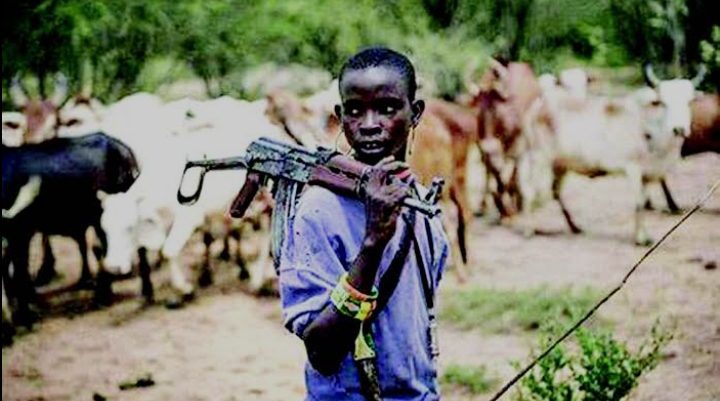
These communities, Margif says, are now inhabited by suspected Fulani militias, who not only evicted the natives but have reportedly renamed the villages, taken over farmland, and are carrying out farming activities as if the land is legally theirs.
“Our people are being wiped out of their history. This is organized land seizure. They’ve renamed villages, and they act like nothing will happen,” said Margif.
This claim underscores the longstanding tension between herder and farmer communities in Nigeria’s Middle Belt—a crisis now metastasizing into a humanitarian disaster.
Historical Context: Root Causes of the Plateau Conflict
To understand the gravity of the Mushere occupation, one must look at the complex history of Plateau State.
Ethnic and Land Tensions
Plateau is a multi-ethnic, agriculturally rich region that has historically been a flashpoint for ethno-religious clashes between indigenous farming communities (Berom, Afizere, Mwaghavul, Mushere) and nomadic Fulani herders.
These tensions, compounded by climate change, migration, and resource competition, have intensified in the past two decades. What used to be sporadic clashes have now morphed into coordinated attacks and territorial occupations.
Data: How Bad Is the Crisis?
Between 2022 and 2025, Plateau State has witnessed a spike in mass killings, destruction of villages, and mass displacement.
Key Statistics
Over 3,000 people killed in rural attacks across Plateau in three years
More than 100 villages sacked and abandoned
Thousands of hectares of farmland lost
Displacement of over 45,000 residents into informal IDP camps
In April 2025 alone, 38 coordinated attacks left dozens dead and caused the displacement of entire communities in Bokkos, Riyom, Mangu, and Barkin Ladi LGAs.
These attacks are increasingly described as ethnic cleansing by affected communities.
Mushere Occupation: Verified or Alleged?
While Margif’s statement has drawn national attention, the seven-village occupation claim remains unverified by third-party independent observers such as Amnesty International or the Nigerian Human Rights Commission.
However, it aligns with:
Governor Caleb Mutfwang’s admission in April 2025 that 64 communities in Plateau are under bandit control
Consistent patterns of reported violence, including in Bokkos and Riyom
Eyewitness reports from local churches, vigilante groups, and humanitarian responders
“There’s every reason to believe the situation is as bad—if not worse—than reported,” said a local pastor working with displaced persons in Bokkos.
Government Reaction: Strong Words, Weak Action?
Governor Caleb Mutfwang has publicly condemned the escalating violence, stating that the state lacks the security resources to deal with the crisis alone.
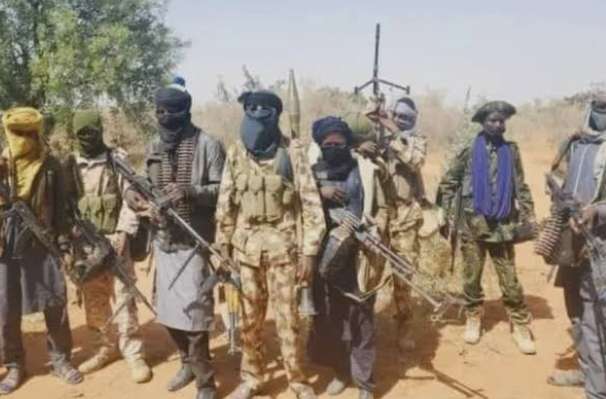
“These are well-armed invaders. They kill, settle, and rename communities with impunity. The federal government must act,” he declared.
Despite these appeals:
Final Note
No sustained military presence has been deployed in Bokkos
Arrests of perpetrators remain minimal to nonexistent
Displaced people are left to fend for themselves in IDP camps or host communities
This points to what many critics call governmental abandonment of rural populations, particularly those outside state capitals.
Humanitarian Fallout: Suffering in Silence
The impact of these attacks on human lives cannot be overstated. Survivors describe horrifying ordeals of:
Night raids and ambushes
Killings of women and children
Rape and sexual violence
Hunger and homelessness
With schools, clinics, and farmlands destroyed, the future for displaced Mushere villagers is uncertain.
The United Nations and Nigerian Red Cross have warned of looming famine and a breakdown in social cohesion if displacement continues unchecked.
Security Experts Speak: More Than Banditry
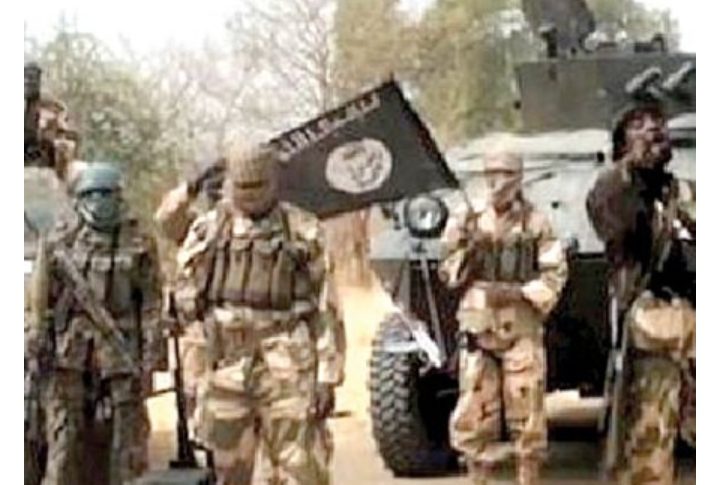
Security analysts insist that this is not mere banditry, but a coordinated effort to change the demographic composition of the region.
“This is a hybrid insurgency disguised as communal conflict,” said Dr. Sule Musa, a defense researcher. “It’s strategic, it’s systemic, and it’s destabilizing.”
Calls have been made for the Federal Government to label these attacks as terrorism, not just community clashes.
What Can Be Done?
To avert a regional catastrophe, stakeholders at all levels must act. Immediate solutions include:
1. Deployment of a permanent joint military-police task force to secure all affected villages
2. Rapid resettlement and rebuilding of displaced communities
3. Establishment of a judicial panel to prosecute crimes against humanity
4. Conflict mediation and land-use reform for long-term peace
Conclusion: A Region Under Siege
The alleged occupation of seven villages in Mushere Chiefdom is not just a local tragedy—it is a national shame and a test of Nigeria’s commitment to justice, peace, and federal responsibility.
While SaharaNews247 awaits full verification, the pattern of attacks, displacement, and lack of accountability is too clear to ignore. If action is not taken swiftly, Plateau may become the next epicenter of a preventable civil war.
Plateau crisis 2025
Bokkos bandit attacks
Fulani militants Nigeria
Villages occupied by bandits
Nigeria ethnic conflict
IDPs in Plateau State
Caleb Mutfwang news
Farmer-herder crisis Nigeria
Final Note
Stay with SaharaNews247 for consistent and fact-based coverage of Nigeria’s most pressing security and human rights issues. We remain committed to truth, accountability, and amplifying the voices of the oppresse