By Smart Chuks
SaharaNews247 – In-depth • Analysis • Security
Introduction
President Bola Ahmed Tinubu’s unexpected decision to sack Nigeria’s service chiefs has set off a storm of speculation across the nation. Coming on the heels of widespread rumours about an alleged coup plot, the sudden shake-up has prompted Nigerians to ask one big question: was this a strategic leadership change or a quiet response to internal threats?
While the presidency insists the move was a routine security restructuring, the timing has fueled debate and deepened public curiosity. To separate fact from speculation, SaharaNews247 takes a critical look at the circumstances surrounding the sack, the reactions it triggered, and its implications for Nigeria’s democracy and national security.
The Facts Behind the Shake-Up
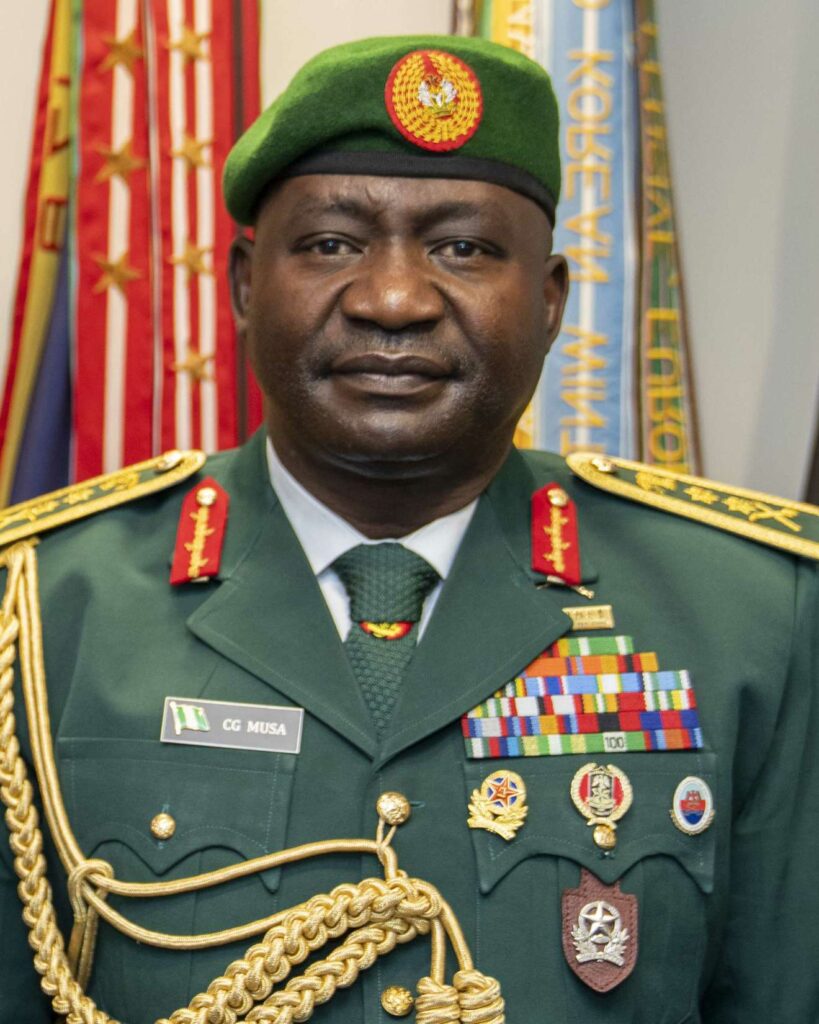
On October 24, 2025, the presidency announced the immediate removal of all service chiefs, including the Chief of Defence Staff, General Christopher Musa. Their replacements were sworn in the same day, marking one of the most sweeping changes in Nigeria’s military leadership in recent years.
According to the official statement, the reshuffle aimed to strengthen the nation’s security architecture and reposition the Armed Forces for better performance. However, the announcement came just days after rumours of a coup plot began circulating on social media, raising eyebrows across political and public circles.
The Defence Headquarters and the Nigerian Army swiftly denied any coup attempt, describing the reports as fake news and urging Nigerians to disregard them. Yet, the coincidence of timing between the rumours and the sack has kept the issue in the public spotlight.
The Timeline of Events
1. Rumours of a Coup
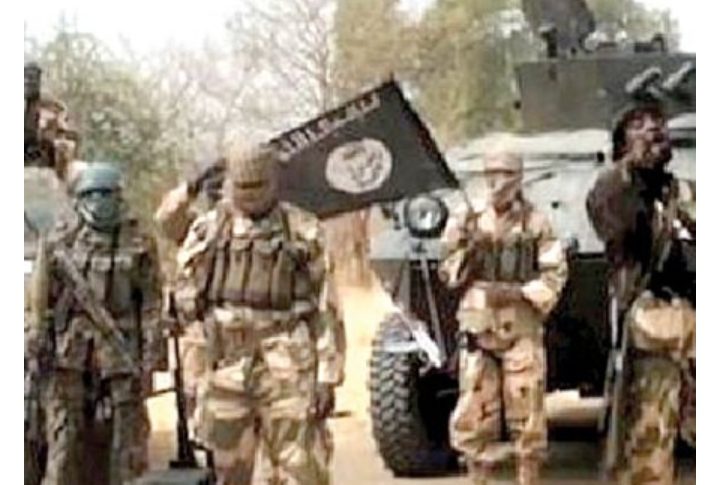
A few days before the dismissal, several unverified reports began trending online, suggesting there was unrest within the military ranks and a possible plan to topple the government.
2. Official Denials
The Defence Headquarters dismissed the claims, describing them as malicious fabrications meant to incite fear and destabilize the country.
3. Tinubu’s Sudden Action
Barely days after those denials, President Tinubu announced the removal of all service chiefs and appointed new ones. The presidency framed it as a routine change necessary for improved coordination and national security.
4. Nationwide Reactions
The announcement triggered a flood of responses. Some Nigerians praised the move as long overdue, while others saw it as a political strategy to pre-empt potential threats within the military hierarchy.
Why Nigerians Are Linking the Sack to a Rumoured Coup
Several factors have contributed to the public perception that the president’s decision was connected to the alleged coup plot.
1. Timing
The most obvious reason is timing. The sack followed immediately after intense media chatter about a supposed coup. Nigerians naturally drew a link between the two, especially in a country where political coincidences are rare.
2. Poor Information Management
Government communication was vague and reactive rather than proactive. The lack of detailed explanation created a vacuum, which allowed speculation and conspiracy theories to thrive.
3. Historical Paranoia
Nigeria’s political history is laced with coups and counter-coups. That long history has made citizens hyper-alert to any development that hints at military tension, no matter how baseless the rumour.
4. Political Signalling
In Nigeria’s political landscape, major reshuffles often carry symbolic meaning. Replacing all service chiefs simultaneously sends a message — either of strength, distrust, or the desire for total control.
The Presidency’s Stand
According to official communication from the State House, President Tinubu acted within his constitutional powers to replace the service chiefs. The presidency maintains that the decision was based on the need to inject new energy into the Armed Forces and was not linked to any coup plot.
This argument holds constitutional merit. The president has full authority to appoint or remove service chiefs as circumstances demand. However, given the security challenges Nigeria faces — including insurgency, banditry, separatist agitations, and terrorism — the timing inevitably raised suspicions about whether this was a proactive security measure or political maneuvering.
Transparency in government communication is crucial. Without clear, timely updates, even legitimate actions risk being misinterpreted by a distrustful public.
The Military’s Response
The Defence Headquarters has consistently denied any suggestion of a coup plot. Military spokesmen have emphasized that the armed forces remain loyal to the constitution and the democratic government.
However, the Nigerian military faces a credibility challenge. Many citizens remain skeptical due to the history of political interference within the ranks. The new service chiefs must work not only to strengthen operational efficiency but also to rebuild public confidence through consistent, credible communication.
Political Fallout
The shake-up has divided opinion across the political landscape. Opposition parties and civil society groups have called for greater transparency and parliamentary oversight of the decision. Some argue that the mass removal was politically motivated, aimed at eliminating perceived loyalists of the previous administration.
On the other hand, some analysts see the move as a necessary reset. They argue that security leadership had become stagnant and ineffective, and that a new team could reinvigorate Nigeria’s counter-insurgency and counter-crime strategies.
Regardless of motive, the political implications are clear: the president has reasserted his authority, and the new appointees will be closely watched for signs of loyalty and performance.
Implications for Nigeria’s Democracy
1. Civil-Military Relations
This event highlights the delicate balance between civilian authority and military loyalty. A transparent and accountable appointment process will strengthen democratic governance.
2. Security Continuity
Sudden leadership changes can temporarily disrupt operations in ongoing military campaigns. It is crucial that the new service chiefs ensure seamless transition and maintain momentum in active operations.
3. Public Trust
Public confidence in both the government and military is vital for stability. Maintaining that trust will require consistent communication, demonstrable professionalism, and visible results in security improvements.
The International Dimension
Nigeria’s allies and international partners are observing developments closely. Any perception of instability or internal conflict within the military could raise red flags for foreign investors and diplomatic partners.
Western and African nations, particularly those engaged in joint security operations with Nigeria, are keenly watching to ensure the country remains firmly under civilian control. A transparent and orderly transition in military leadership reassures them that Nigeria’s democracy remains stable.
What Nigerians Should Watch Next
As the dust settles, several key issues deserve close attention:
How the new service chiefs handle ongoing security challenges.
Whether the government offers more clarity about the reasons behind the sack.
The tone and strategy of the administration’s future security communications.
The level of cooperation between the new chiefs and the National Assembly on security funding and oversight.
The coming weeks will reveal whether the change will translate into tangible improvements in security or deepen political divisions.
Key Takeaways
1. The sack of service chiefs, though constitutional, came at a politically sensitive time.
2. Rumours of a coup heightened public suspicion and made the reshuffle appear reactionary.
3. The government’s communication strategy was too vague to dispel public doubts.
4. Restoring public trust requires consistent transparency and accountability from both the presidency and the military.
Conclusion
The removal of Nigeria’s service chiefs amid swirling coup rumours marks one of the most politically charged moments of Tinubu’s administration. While the government insists it was a strategic move to bolster national security, the lack of detailed explanation has allowed alternative narratives to thrive.
In the end, whether the shake-up strengthens Nigeria’s security or fuels further controversy will depend on the actions of the new military leadership and the communication strategy of the presidency. What is beyond debate is that stability, transparency, and professionalism must remain at the heart of Nigeria’s democracy.
The nation cannot afford another era of suspicion between the civilian government and its military. For now, Nigerians watch, wait, and hope that this bold move ushers in real change rather than deeper uncertainty.
Author Bio
Smart Chuks is a senior political and security analyst for SaharaNews247. With over eight years of experience covering West African politics, defence, and governance, he specializes in in-depth analysis of national security, civil-military relations, and democratic stability.