
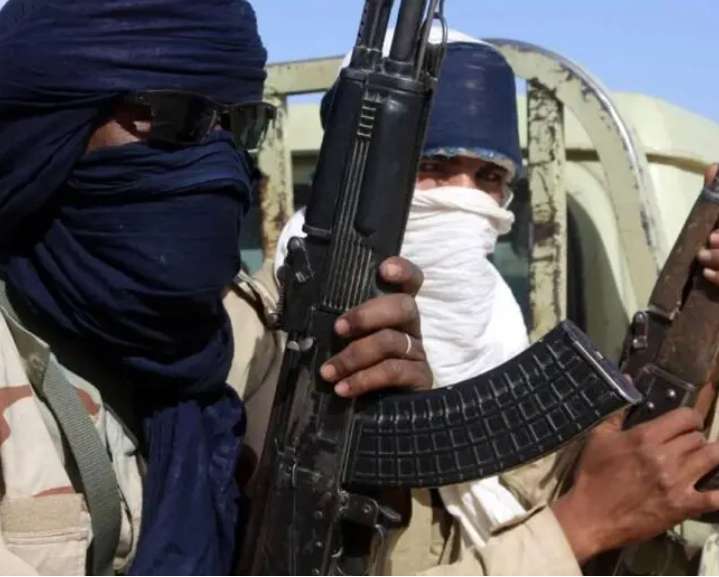
In early January 2026, the Katsina State Government’s plan to release 70 suspected and convicted bandits ignited national and international debate. While the government presented the move as a strategic effort to maintain peace in conflict‑affected communities, the decision has been met with fierce criticism from security experts, civil society groups, residents, and federal authorities. Critics warn that releasing suspects involved in kidnappings, murders, and cattle rustling could embolden criminal networks and undermine public trust in the justice system.
This article provides an in-depth examination of the Katsina bandit release, exploring its security implications, community impact, public backlash, and the broader lessons it offers for Nigeria’s ongoing fight against armed criminality.
Why Katsina State Decided to Release Bandits
The controversy began with a confidential letter from the Katsina State Ministry of Justice, reportedly dated January 2, 2026. The letter requested the Administration of Criminal Justice Monitoring Committee (ACJMC) to facilitate the release of approximately 70 individuals detained for involvement in serious crimes, including kidnappings and violent raids.
State authorities described the move as essential for sustaining fragile peace accords with armed groups operating in at least 15 local government areas. According to government sources, these accords have facilitated the release of more than 1,000 abducted civilians and helped reopen schools, markets, and farmlands in affected regions. While the government framed the decision as a tactical peacebuilding measure, opponents argue it risks normalizing criminal behavior and weakening public confidence in the justice system.
Government Perspective: Peace Negotiations as a Security Strategy
The Katsina State Commissioner for Internal Security and Home Affairs, Nasir Muazu, defended the release, stating that negotiations and conditional releases are common in conflict-prone regions. He likened the approach to prisoner exchanges in war zones, emphasizing that these steps aim to stabilise communities and reduce immediate violence.
Supporters of the government’s strategy highlight that in regions where security forces cannot guarantee constant protection, dialogue with armed groups can prevent bloodshed, allow communities to recover, and create openings for broader reconciliation. Advocates argue that this approach is not leniency but a pragmatic measure to restore relative peace in highly insecure areas.
National Outcry: Civil Society and Community Response
The policy drew widespread condemnation from civil society and community organisations. The Coalition of Northern Groups described the decision as dangerous, warning that it rewards criminality and undermines the justice system. Religious organisations, including the Christian Association of Nigeria (CAN) in northern states, echoed these concerns, highlighting the risk to civilians still living in vulnerable areas.
Residents of Katsina have expressed fear and frustration, questioning how communities can trust a system that releases individuals accused of committing heinous crimes against families and neighbours. The attack on a wedding convoy in Kankara Local Government Area, which resulted in deaths and abductions, has intensified anxiety and reinforced calls for accountability.
Federal Government’s Security Concerns
At the federal level, Defence Minister Gen. Christopher Musa (rtd.) publicly warned against negotiating with bandits, stating that releasing suspects weakens military operations, erodes deterrence, and risks prolonging insecurity. Musa stressed that armed groups cannot be reliably trusted to honour agreements and could return to violent activity once freed.
Federal authorities have urged states to align peace initiatives with national security strategies, reinforcing that criminal acts must not be condoned in the name of community engagement. Analysts argue that inconsistent policies across states can create loopholes that armed groups exploit, further destabilising the region.
The Human Cost of Banditry in Katsina
Katsina and its neighbouring states have experienced years of devastating insecurity. Hundreds of civilians, including farmers, traders, and security personnel, have been killed in bandit attacks, while communities face economic disruption and displacement. Agriculture, the backbone of northern Nigeria’s economy, has been severely affected as farmers abandon farmlands out of fear of attacks.
The human cost of insecurity is further compounded by the psychological trauma endured by victims of kidnappings and violent raids. Communities worry that releasing suspected bandits will reignite violence and place civilians at continued risk, raising questions about the effectiveness of peace strategies that appear to compromise justice.
Security Experts Highlight Risks and Recommendations
Security analysts warn that while negotiations and conditional releases may reduce violence in the short term, they carry long-term risks. Rewarding criminal behavior could encourage recruitment into bandit networks and undermine the authority of law enforcement. Experts stress that sustainable peace requires a combination of military enforcement, judicial accountability, community engagement, and economic development.
Effective reintegration programs for former combatants, coupled with intelligence-led security operations, are essential to prevent recidivism. Historical examples, including prior amnesty programs in northern Nigeria, demonstrate that failure to integrate former combatants into society increases the likelihood of renewed violence, eroding fragile peace efforts.
Balancing Justice and Peace in Nigeria
The Katsina bandit release highlights a critical policy dilemma: can Nigeria achieve peace without sacrificing justice? While government officials frame releases as tactical measures to protect communities, critics argue that justice delayed or compromised risks undermining public trust and emboldening criminal networks.
A sustainable solution requires multi-layered strategies that integrate security enforcement, judicial reforms, socio-economic interventions, and community-based approaches. Only by aligning these measures can Nigeria effectively tackle banditry while upholding the rule of law.
Broader Implications for National Security
The controversy has wider implications for Nigeria’s security policies. It underscores the importance of clear, consistent strategies between state and federal authorities to prevent armed groups from exploiting policy gaps. The Katsina case serves as a reference point for discussions on the balance between negotiation, law enforcement, and public accountability in addressing armed criminality across the country.
As Nigeria navigates these challenges, it becomes increasingly clear that lasting peace depends on the integration of community engagement, legal accountability, and strategic security operations, rather than temporary fixes that risk creating long-term instability.
Conclusion
The decision to release 70 suspected and convicted bandits in Katsina has reignited national debate about Nigeria’s approach to combating insecurity. While intended to stabilise communities, critics argue that it could reward criminality, weaken judicial processes, and compromise public trust.
The Katsina case illustrates the delicate balance required between negotiation and enforcement, peace and justice, and immediate security gains versus long-term stability. Moving forward, policymakers must ensure that security strategies are transparent, accountable, and firmly grounded in the rule of law to achieve sustainable peace for Nigeria’s citizens.
About the Author
Smart Chuks is an investigative national security correspondent with SaharaNews247, specialising in conflict dynamics, governance, and public policy across Nigeria and Africa. With years of experience covering security crises and peacebuilding initiatives, he provides fact-based reporting and in-depth analysis for both national and international audiences, focusing on developments that shape the future of security and stability on the continent.