By SaharaNews247 | Updated August 5, 2025
Kaduna State, Nigeria — Tensions continue to rise in parts of Southern Kaduna as Hausa-speaking Christian communities allege persistent cases of land grabbing, religious discrimination, and systematic marginalization across several local government areas. These claims have added a complex new dimension to Kaduna’s long-standing ethno-religious conflicts, fueling calls for urgent government intervention and equitable policy reforms.
Background: Layers of Identity and Marginalization
Kaduna State has for decades struggled with religious and ethnic strife. But the specific grievances of Hausa Christians have remained largely unreported. Traditionally associated with Islam, the Hausa ethnic group also includes thousands of Christians who now say they are being doubly marginalized — first for their religious identity, and second for not conforming to the dominant Hausa-Fulani Muslim identity.
In communities such as Kafanchan, Zangon Kataf, Jaba, Jema’a, and Kauru, these Christian Hausa families say they are targeted for their faith, dispossessed of ancestral lands, and denied access to public services and opportunities simply because they do not align with the dominant religious culture.
Land Disputes Fueling the Conflict
Land ownership lies at the heart of many of these grievances. Hausa Christian communities say they are often classified as “settlers” rather than indigenous, despite having lived on their land for generations. This classification is then allegedly used to deny them certificates of occupancy, participation in government farming initiatives, and even representation in community leadership.
Some residents report that powerful interests, often tied to local politics or traditional authorities, have seized their farmlands with the backing of security agents. In Kafanchan, three families recently lodged complaints with the Kaduna State Land Registry, claiming that ancestral farmlands were forcibly converted into grazing routes without fair compensation.
Lydia Danlami, a displaced widow from Godogodo, shared her frustration:
“My grandfather farmed this land for over 70 years. Now I am told it belongs to someone else because I am a Christian Hausa.”
Allegations of Religious Discrimination
Although the Nigerian Constitution guarantees freedom of religion, Hausa Christians allege that they face widespread bias. In mixed-faith communities, they report exclusion from local government roles, denial of church building permits, and even discrimination against their children in public school admissions.
One of the most serious allegations concerns denial of indigene certificates, which are crucial for government jobs, scholarships, and representation. Some Christian Hausa families claim they are told to “return to the South” if they want recognition as indigenes — despite their roots being firmly planted in Northern Nigeria.
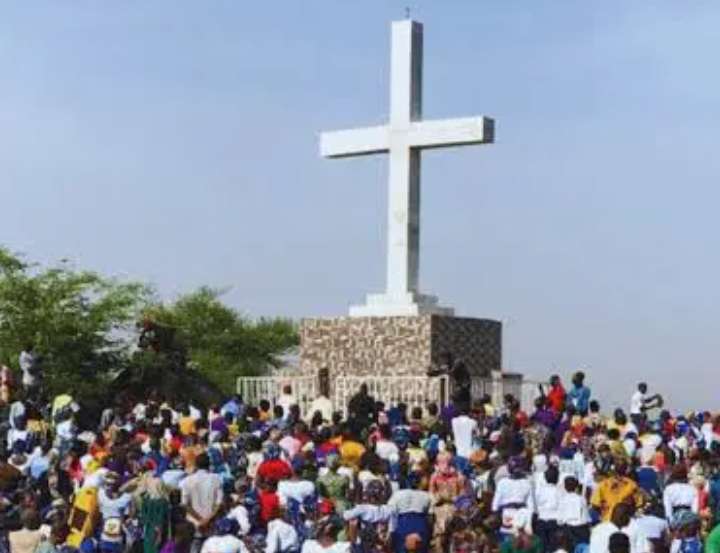
Attacks on worship centers also remain a pressing fear. Christian Solidarity Worldwide has reported that 27 churches were attacked or destroyed in Kaduna State between 2022 and 2024. Witnesses say many of these incidents directly affected Hausa Christian congregations, who feel their voices are often ignored in both state and federal peacebuilding efforts.
Recent Incidents Underscore Urgency
Multiple sources have documented repeated acts of violence targeting Hausa Christian communities.
March 2023 in Zangon Kataf: 17 Christians were killed in a midnight raid.
April 2023 in Runji Village: an attack left 33 villagers dead, with homes and churches destroyed.
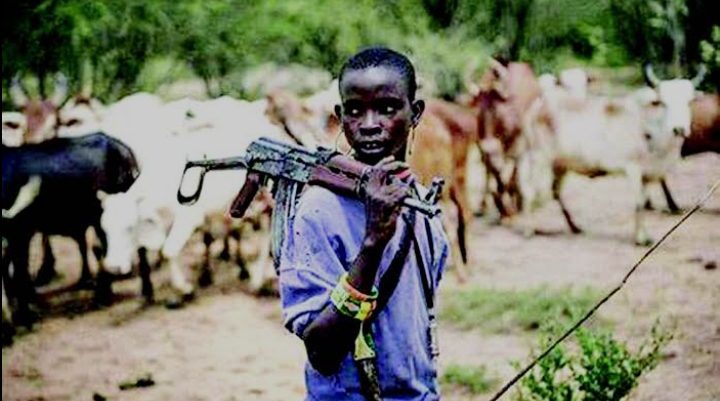
September 2023 in Kauru LGA: armed herders targeted Christian settlements and burned down several churches.
May 2024 in Godogodo: farmland was seized from Christian families, with security forces allegedly involved.
July 2025 in Kafanchan: a peaceful protest by Christian youths was dispersed with tear gas by local police.
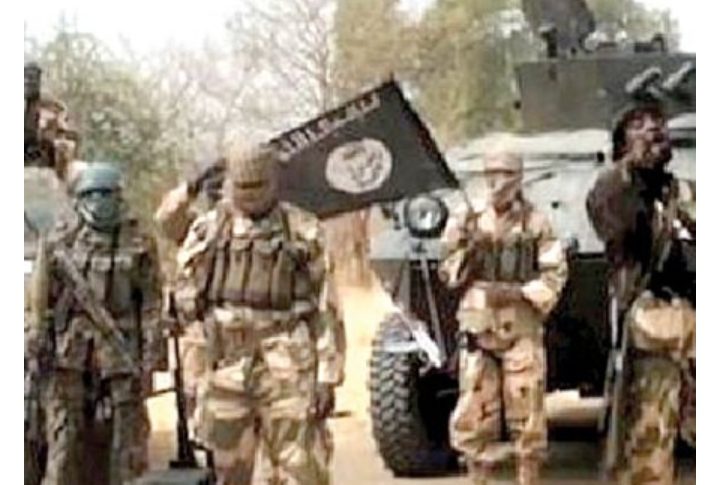
These incidents highlight a disturbing pattern of violence and land dispossession, with few suspects ever arrested or prosecuted. Many victims describe the state’s response as indifferent, deepening a sense of helplessness and fear.
Human Rights and International Reactions
Organizations such as Human Rights Watch, Genocide Watch, and Open Doors International have ranked Nigeria as one of the most dangerous countries for Christians. Kaduna State, in particular, has consistently ranked among the highest-risk areas for faith-based violence in Sub-Saharan Africa.
Key findings from their reports include government failures to prosecute attackers, disproportionate targeting of churches, unfair compensation practices after attacks, and neglect of minority Christian voices — especially those of Hausa heritage.
A Crisis of Identity
The plight of Hausa Christians illustrates a deeply rooted identity conflict. These communities stand at a crossroads of ethnicity, faith, and regional politics. They are ethnically Hausa but alienated from the larger Hausa-Fulani Muslim community. They are Christians, yet often viewed with suspicion by the southern Christian bloc. And they are Northerners, but still denied full citizenship rights where they live.
This complex identity struggle leaves them extremely vulnerable to violence, exclusion, and institutional neglect.
The Government’s Role: Promises and Gaps
Critics say the Kaduna State Government has repeatedly fallen short in protecting these vulnerable communities. Former Governor Nasir El-Rufai faced accusations of bias for appointing predominantly Muslim officials, ignoring reports of Christian-targeted attacks, and refusing to label such violence as religiously motivated.
Current Governor Uba Sani has launched the Kaduna Interfaith Reconciliation Commission, aiming to build trust and address grievances, but many Christian leaders complain that the commission lacks grassroots representation and is too slow to act.
Until Hausa Christians are given a voice in policymaking, many believe these peace efforts will struggle to deliver lasting results.
What Can Be Done
Experts and community advocates have proposed a number of solutions to break the cycle of violence and marginalization.
Short-term actions could include independent investigations into land dispute claims, better legal support for displaced families, neutral security deployments to hotspots, and greater media coverage of Hausa Christian stories.
Longer-term reforms would mean constitutional changes to protect religious minorities in majority ethnic zones, fairer representation in political appointments, reforms of traditional leadership systems to remove religious bias, and interfaith economic initiatives that encourage cooperation rather than competition.
Moving Forward
The suffering of Hausa Christians in Kaduna is a stark reminder of Nigeria’s ongoing struggle to build a fair, peaceful, and truly inclusive society. These communities have been left out of public debate for far too long. As the nation seeks solutions to widespread insecurity and religious conflict, it is critical that voices like theirs are heard and respected.
There cannot be lasting peace without justice — and there cannot be justice if minority groups are ignored. For the Hausa Christians of Kaduna, acknowledging their pain is the first step toward building a state that belongs to everyone, regardless of religion or ethnicity.
SaharaNews247 will continue to monitor this story and provide updates as more facts come to light.