
By Smart Chuks
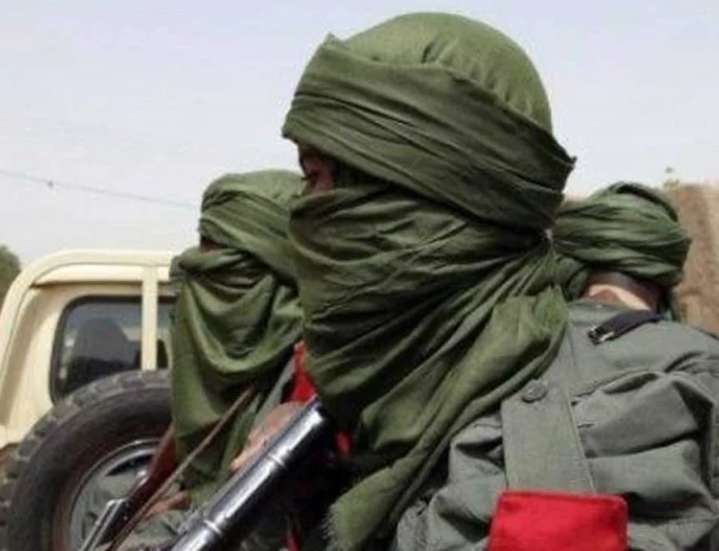
Nigeria is once again in shock after gunmen abducted 215 pupils and 12 teachers from St. Mary’s Catholic Primary and Secondary School in Papiri, Niger State.
The coordinated attack happened early Friday, November 21, and is now considered one of the largest mass kidnappings in recent years. Many Nigerians are comparing it to the Chibok and Dapchi abductions.
Witnesses report that the attackers moved quickly, overwhelming the school and forcing students and teachers into vehicles before escaping through forest routes.
The incident has triggered fear, anger, and national debate about rising insecurity and the lack of protection for schools in rural areas.
How the Attack Happened
According to survivors, the abductors stormed the school before dawn.
Some students were still in their hostels, while others were preparing for early morning activities.
Witnesses say the armed group fired shots into the air to create panic. Many terrified students attempted to run, but most were overpowered and captured.
Some older students managed to escape by hiding or fleeing into nearby bushes.
Local vigilantes responded, but by then, the abductors had disappeared.
Emotional Reactions from Parents and Community
The aftermath of the attack created emotional scenes at the school compound.
Parents ran to the school crying, searching for answers and hoping to find their children among the few who escaped.
One mother repeatedly screamed her child’s name, saying:
“My daughter has never slept outside our home before. I don’t know how she will survive.”
Shops closed across the community, and prayer sessions began in churches and mosques.
Some residents have already withdrawn their children from school out of fear.
Why Schools Are Being Targeted
Security experts say rural schools are often vulnerable because of weak security systems and limited government presence.
Several factors make them easy targets:
Lack of armed protection
Remote locations with difficult road access
Children who cannot resist or escape
High emotional and financial pressure to pay ransom
In many past incidents, schools were warned of potential danger but lacked resources to improve protection.
A Pattern of Repeated Kidnappings
This kidnapping adds to a growing list of similar incidents.
Nigeria has faced multiple large-scale school abductions in the past decade, including Chibok in 2014, Dapchi in 2018, and repeated kidnappings in Kaduna, Zamfara, Katsina, and Niger states.
While earlier attacks were linked to terrorist groups like Boko Haram, many recent kidnappings appear driven by criminal networks seeking ransom.
These groups often operate from forest hideouts and move through porous borders, making them difficult to track.
Government Response and Public Pressure
Following the attack, Niger State authorities deployed security forces to begin search-and-rescue operations.
President Tinubu has reportedly ordered emergency briefings and intelligence coordination.
However, many Nigerians believe the government has acted too slowly.
Human rights groups, religious bodies, and citizens are calling for urgent reforms to protect schools.
A political commentator stated:
“The cycle is always the same: attack, panic, promises, and silence. Nigeria must break this cycle.”
The Kidnappers Remain Silent
As of now, the abductors have not reached out, made demands, or claimed responsibility.
Security experts say kidnappers sometimes wait for public tension to grow before making ransom demands.
This silence has increased anxiety among affected families.
Many parents are living in fear and uncertainty, praying for their children’s safety.
Psychological Effects on Victims and Witnesses
Beyond physical danger, experts warn that the emotional trauma from such events can last for years.
Many children rescued from past abductions struggle with:
Fear of sleeping alone
Loss of interest in school
Panic attacks
Nightmares
Difficulty trusting adults
In many cases, returning to normal learning takes months—or may never happen.
Why Nigeria’s Security System Keeps Struggling
Security analysts say the current system faces multiple challenges.
Some major weaknesses include:
Poor intelligence sharing
Limited surveillance technology
Vast ungoverned forest regions
Corruption in security procurement
Inadequate law enforcement manpower
Until these systemic issues are addressed, experts warn that kidnappings may continue.
What Needs to Change
Analysts recommend urgent reforms.
Immediate actions should include improved security in high-risk schools and emergency communication systems.
Medium-term strategies require stronger intelligence operations and community security partnerships.
Long-term solutions include economic development, border control, prosecution of kidnap networks, and national reforms in law enforcement.
Without serious structural change, safety risk remains high.
International and National Calls for Action
International organizations and diplomats have condemned the attack and requested updates.
Locally, religious leaders, advocacy groups, and student unions are demanding accountability.
Online, hashtags supporting the abducted children are gaining momentum as Nigerians unite to demand action.
A Critical Turning Point for Nigeria
This kidnapping is more than a headline—it is a defining moment for Nigeria’s education and security future.
Every abducted child represents a threat to the nation’s progress.
Education cannot thrive in fear.
Unless authorities prioritize prevention, protection, and accountability, Nigeria’s next generation may grow up in classrooms guarded by fear rather than hope.
The children and teachers of Papiri must be found—and their safety must become a national priority.
Author Bio
Smart Chuks is a Nigerian journalist and security correspondent. His work focuses on terrorism, governance, human rights, and education systems in West Africa. He is dedicated to telling stories that amplify vulnerable communities and advocate for accountable leadership.