
By Smart Chuks
In a country grappling with persistent insecurity, the words of Nigeria’s Defence Minister, General Christopher Gwabin Musa (Rtd), have captured national attention: “When the odds were against me, God lifted me.” Delivered during a public engagement earlier this month, Musa’s statement is more than a personal reflection—it is a window into the complex interplay of faith, leadership, institutional pressure, and national security in Nigeria.
Musa’s rise to the apex of the Ministry of Defence is emblematic of resilience, strategic acumen, and personal conviction. Yet his tenure begins at a time when Nigeria faces multifaceted security challenges, ranging from insurgency and banditry to separatist agitation and transnational criminal networks. The statement underscores the human element of leadership while inviting scrutiny of how faith, strategy, and institutional reform intersect in safeguarding the nation.
This report examines Musa’s journey, the strategic posture he brings to the Defence Ministry, the broader national and regional security environment, and the implications of his leadership for Nigeria’s future.
A Career Forged in Service and Strategic Leadership
Born on December 25, 1967, in Sokoto State, Christopher Gwabin Musa entered a military establishment still adjusting to the post-civil war and post-military governance landscape. Enrolling at the Nigerian Defence Academy in 1986, Musa was commissioned into the Nigerian Army Infantry Corps in 1991.
Unlike many officers whose careers advance largely through seniority or political connections, Musa’s trajectory combined operational excellence, strategic education, and exposure to complex security environments. He earned a Master’s degree in Military Science and an Advanced Diploma in Defence and Strategy from the International College of Defence Studies in Beijing, China—a training ground that exposed him to global security doctrines, counter-insurgency operations, and intelligence-led military strategy.
Throughout his career, Musa held critical command positions, ranging from platoon commander to battalion commander, brigade commander, theatre commander, and ultimately Chief of Defence Staff. His operational experience spans conventional military deployments, asymmetric conflict in the North-East, and joint inter-service coordination, giving him a unique perspective on both the tactical and strategic dimensions of national defence.
Operation Hadin Kai and Nigeria’s Fight Against Insurgency
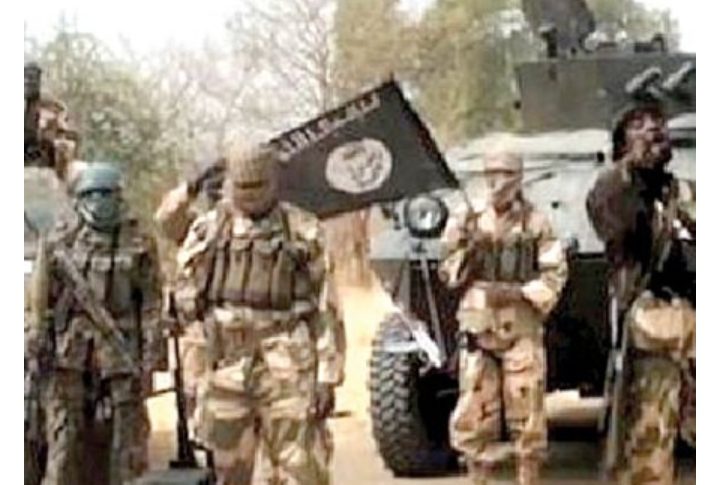
Musa’s national prominence rose during his leadership of Operation Hadin Kai, Nigeria’s flagship counter-insurgency campaign against Boko Haram and the Islamic State West Africa Province (ISWAP). The operation, initiated in 2015 and evolving over successive administrations, sought to reclaim territory, restore governance, and protect civilians in the North-East.
The operational landscape Musa inherited was among the most challenging in recent Nigerian history. Boko Haram had entrenched itself across parts of Borno, Yobe, and Adamawa States, displacing millions and collapsing local economies. Entire communities became conflict zones, caught between insurgent terror and state military operations.
Under Musa’s command, the military transitioned from conventional territorial operations to intelligence-driven, precision-targeted campaigns.
The integration of human intelligence, surveillance drones, and cross-border intelligence cooperation became central to disrupting insurgent networks. While Boko Haram and ISWAP were not eliminated, the operation succeeded in neutralizing key commanders, reclaiming territory, and reducing large-scale attacks in several previously insecure zones.
Yet these gains also highlighted systemic weaknesses, including limited technological capacity, inadequate logistics, morale challenges, and gaps in civil-military engagement. Musa’s reflection on divine intervention can thus be seen as acknowledging the formidable personal and institutional obstacles he navigated in achieving operational progress.
Faith as Anchor in Leadership
In Nigeria, where spirituality is deeply embedded in social and political life, Musa’s statement about God lifting him resonates widely. Faith, whether Christian or Muslim, often underpins public perception of legitimacy, morality, and leadership character.
Musa’s invocation of divine support is not merely rhetorical. It reflects an understanding that leadership in Nigeria demands resilience amid systemic inefficiency, political interference, and operational complexity. Military leadership at his level requires not only strategic competence but also the personal fortitude to navigate institutional pressures and public scrutiny.
For many citizens, Musa’s public acknowledgment of faith makes him relatable and morally grounded. For analysts, it signals the interplay of personal conviction with professional responsibility—a crucial balance for a Defence Minister responsible for national security.
Nigeria’s Multi-Dimensional Security Landscape
Nigeria faces one of Africa’s most complex security environments. Multiple threats converge across different regions, interacting with socio-economic vulnerabilities and political instability. In the North-East, Boko Haram and ISWAP continue to operate despite over fifteen years of military campaigns, exploiting porous borders and weak local governance.
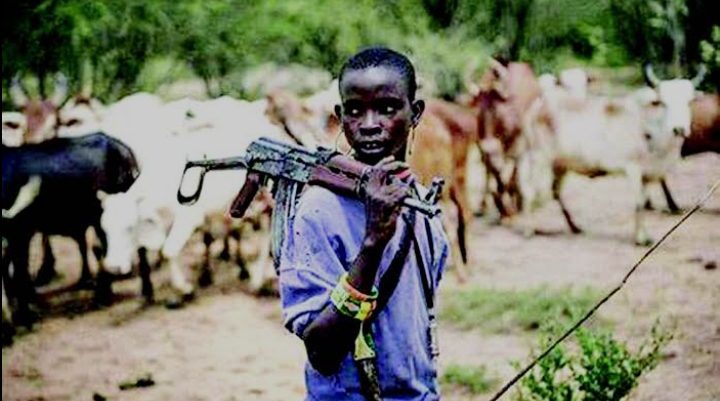
In the North-West and parts of the Middle Belt, bandit groups engage in mass kidnappings, village raids, and extortion, exploiting socio-economic deprivation and the absence of consistent law enforcement. Separatist agitation in the South-East challenges federal authority and disrupts governance, while criminal syndicates in the Niger Delta continue to sabotage oil infrastructure and maritime routes, undermining economic stability.
These challenges are further compounded by transnational dynamics. The Sahel corridor, spanning Mali, Niger, and Burkina Faso, has become a conduit for insurgency, arms trafficking, and extremist ideologies that directly affect Nigeria.
Porous borders, weak enforcement mechanisms, and informal trade networks allow criminals and insurgents to operate with considerable freedom. In this environment, the Defence Ministry must function not merely as a military apparatus but as a central pillar of national stability, governance, and public confidence.
Strategic Vision: Intelligence, Technology, and Coordination
Musa has consistently emphasized intelligence-led operations as the foundation of national security. He argues that modern security threats cannot be contained solely through brute force; instead, predictive analytics, surveillance technologies, unmanned aerial vehicles, and inter-agency intelligence sharing are essential to preempt and neutralize emerging threats.
Border security is another critical focus. Nigeria’s over 4,000 kilometres of largely unmonitored land borders make it vulnerable to arms smuggling, militant infiltration, and cross-border criminal activity. Musa advocates the use of physical barriers, advanced surveillance, and regional cooperation while navigating the political and economic realities of local communities that rely on informal cross-border trade.
Additionally, Musa seeks enhanced inter-service coordination. Historically, operational silos between the Army, Navy, and Air Force have hindered rapid response. His tenure prioritizes joint planning, interoperable command structures, and synchronized deployment, lessons drawn from his extensive experience commanding Operation Hadin Kai.
Civil-Military Relations and Troop Welfare
Musa has stressed that troop morale and public trust are inseparable from operational success. Soldiers require adequate equipment, medical support, and welfare programs to sustain performance. Equally important is engaging communities affected by conflict to rebuild trust and ensure cooperation.
Past operations revealed persistent tensions between military forces and civilians, often resulting in suspicion or resentment due to allegations of human rights abuses and excessive force. Musa’s leadership emphasizes human rights compliance, community engagement, and transparency, recognizing that long-term security cannot be achieved without public confidence in the military institution.
Political Economy of Defence
Nigeria’s defence sector is shaped as much by institutional dynamics and fiscal management as by operational imperatives. Billions of naira are allocated annually to military budgets, procurement, and logistics, yet questions persist about transparency, efficiency, and accountability. Historical irregularities, including inflated contracts and unaccounted resources, have undermined public confidence.
As Defence Minister, Musa occupies a critical position at the nexus of operational necessity and fiscal stewardship. How he manages defence resources, reforms procurement processes, and resists entrenched patronage networks will define both the credibility of his leadership and the public perception of Nigeria’s military institution. In many ways, the most significant challenges he faces are institutional as much as they are operational.
Faith, Leadership, and National Expectation
Musa’s statement about divine intervention resonates because it embodies a broader societal belief that personal faith can compensate, to some extent, for institutional weaknesses. In a nation where public systems often falter, citizens look to faith as a stabilizing force. Leaders who openly integrate spirituality with professional responsibility can cultivate legitimacy and trust.
Yet faith alone is insufficient. Nigerians will ultimately judge Musa by tangible results, including reduced violence, improved security infrastructure, restored public trust, and effective engagement with local communities and regional partners. Spiritual conviction may guide personal resilience, but the credibility of leadership is ultimately measured through concrete outcomes.
Challenges and Opportunities Ahead
Musa’s tenure as Defence Minister presents a complex blend of challenges and opportunities. Operational modernization will require integrating intelligence and technology within a resource-constrained environment. Border control must balance enforcement with economic and political realities. Civil-military relations demand sustained engagement and cultural transformation within the armed forces.
Political oversight and fiscal management require navigating legislative expectations, budget allocations, and federal executive priorities. At the same time, Musa’s experience, strategic vision, and faith-informed resilience provide a foundation to implement meaningful reforms, improve operational effectiveness, and strengthen Nigeria’s national security architecture.
Conclusion: Leadership at a Critical Juncture
General Christopher Gwabin Musa’s rise from Sokoto to the pinnacle of Nigeria’s Defence Ministry is a testament to resilience, competence, and strategic insight. His declaration that God lifted him when the odds were against him humanizes his journey and resonates deeply in a country seeking stability amid insecurity.
Yet Nigeria’s future will be determined not by personal faith alone but by the translation of vision into measurable results, strategy into operational effectiveness, and leadership into institutional reform. Musa’s legacy—and the country’s security trajectory—will ultimately be defined by lives saved, conflicts resolved, and institutions strengthened under his stewardship.
About the Author
Smart Chuks is a senior investigative journalist with SaharaNews247, specializing in governance, national security, and socio-political analysis. With over a decade of experience reporting on Nigeria and African affairs, Smart brings authoritative insights, investigative depth, and field-based research to global audiences, illuminating complex national issues with clarity, context, and credibility.