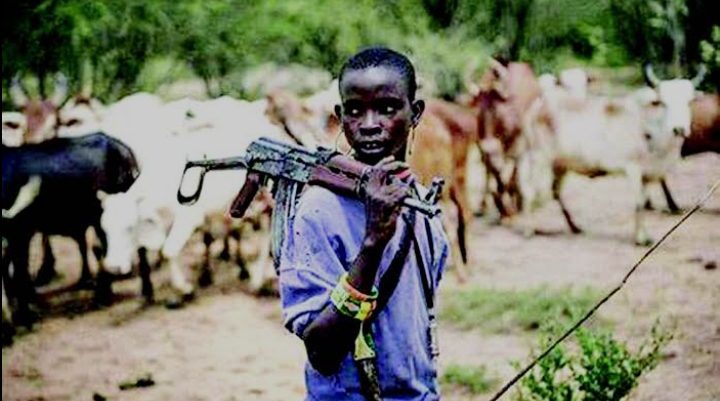

Location: Ugbobi, Apa Local Government Area, Benue State
By SaharaNews247 Investigative Desk
The peace of Ugbobi, a quiet farming community in Benue State, was shattered once again as suspected Fulani herdsmen launched another deadly attack in the early hours of Sunday. The assault, which claimed multiple lives and left many others injured, has plunged residents into mourning and despair. The gruesome incident is the latest in a series of violent attacks that have continued to ravage rural communities across the Middle Belt region of Nigeria.
Residents now fear for their safety and survival, as they accuse the Nigerian government of abandoning them to the mercy of bloodthirsty militias. Many survivors and community leaders say this most recent incident underscores a deeper crisis of governance and security failure.
Tragedy Strikes at Dawn
Eyewitnesses recount that the attackers stormed the village just before dawn, armed with rifles and machetes. Houses were set ablaze, and unsuspecting villagers were either shot or butchered in their sleep. By the time the assault ended, over fifteen lives had been lost, dozens were wounded, and the village was left in ruins.
One of the survivors, Mrs. Dooshima Tyokyaa, shared her harrowing experience. According to her, the attackers came in large numbers and took everyone by surprise. Families fled in different directions, but many didn’t make it out alive. She lost her husband and two children in the chaos.
She sobbed as she said, “There was no warning. No protection. We are just left here to die. This is not the first time. We have cried to the government, but no one is listening.”
Community Leaders Accuse Government of Neglect
Local leaders in Ugbobi have openly criticized both state and federal governments for failing to act decisively. According to them, this attack is one of many that have occurred without any serious intervention from the authorities.
Chief Terhemba Ikyange, a respected community elder, voiced his frustration over the government’s silence and inaction.
“Our people are dying, and nobody seems to care. We have become refugees in our own land. These killings are systematic, yet nothing is done. We’ve written petitions, made public cries for help, and even hosted peace meetings, but what we get is more bloodshed.”
He added that despite repeated appeals to the police, military, and political representatives, the community has received no meaningful support or protection.
Worsening Humanitarian Crisis
The aftermath of the attack has left hundreds of people displaced. Many have fled to makeshift camps in neighboring towns, lacking food, water, shelter, and medical attention. The elderly, pregnant women, and children are the worst hit, with several suffering from trauma and untreated injuries.
Farms, which are the mainstay of the community’s economy, have been destroyed. This raises serious concerns over food shortages and worsening poverty in the months ahead. Health officials warn that without immediate intervention, the area could face a looming humanitarian emergency.
Lack of Security Presence
Many affected residents lament the lack of visible government security presence in rural Benue. Despite the prevalence of violence, military and police patrols are sporadic and often reactive rather than preventive. Villagers say they only see security personnel after attacks have already occurred.
The Benue State Police Command confirmed the incident, stating that investigations are underway. However, residents argue that such responses have become routine and rarely result in arrests or justice for victims.
National Implications of the Farmer-Herder Conflict
The conflict between nomadic Fulani herdsmen and agrarian communities is not new. It has become one of Nigeria’s deadliest and most persistent internal crises. Benue, known as the “Food Basket of the Nation,” has suffered heavily due to its fertile lands, which are often at the center of grazing disputes.
Climate change, desertification, and population growth have intensified competition for land and water resources, leading to more frequent and violent clashes. The absence of structured grazing routes and the failure to implement modern ranching policies continue to fuel the crisis.
Security analysts warn that without comprehensive reform, these attacks could escalate into a broader ethno-religious conflict, threatening Nigeria’s national unity and stability.
Experts Call for Immediate Action
Security and policy experts have called on the federal government to overhaul its approach to rural security. According to Dr. Ibrahim Musa, a security strategist and lecturer at Ahmadu Bello University, a multi-layered solution is needed to address both the immediate threat and the long-term causes of the conflict.
He recommended the deployment of well-equipped security personnel to vulnerable areas, the establishment of community policing structures, and the urgent passage of legislation to regulate open grazing.
“Government must stop treating this as a local dispute. It is a national security emergency,” he emphasized.
Demand for Justice and Accountability
Beyond security, residents are demanding justice. Many victims of past attacks are still waiting for compensation, medical care, and permanent resettlement. The absence of any significant arrest or prosecution has emboldened perpetrators, creating a dangerous cycle of impunity.
Civil society organizations have called for an independent judicial panel to investigate and document atrocities committed in the state. They stress the need for a truth and reconciliation process to heal affected communities and ensure sustainable peace.
A Plea for Help
Ugbobi community and other rural areas in Benue continue to live in fear. As families bury their dead and rebuild their lives from the ashes, there is a growing sense of hopelessness. Many believe that unless urgent action is taken, more communities may fall to similar attacks in the future.
What residents want is simple: security, justice, and the right to live in peace. Their voices are growing louder, but whether the government will respond remains uncertain.
Final Thoughts
The Ugbobi massacre is yet another painful chapter in the tragedy of unprotected Nigerian communities. While political leaders give speeches and security agencies issue statements, the people on the ground live in constant danger. The time for action is now. The nation cannot afford to continue watching silently as its rural heartlands are bled dry.