By Ibrahim Musa – SaharaNews247 Investigations Desk
Introduction
“Enough is enough.”
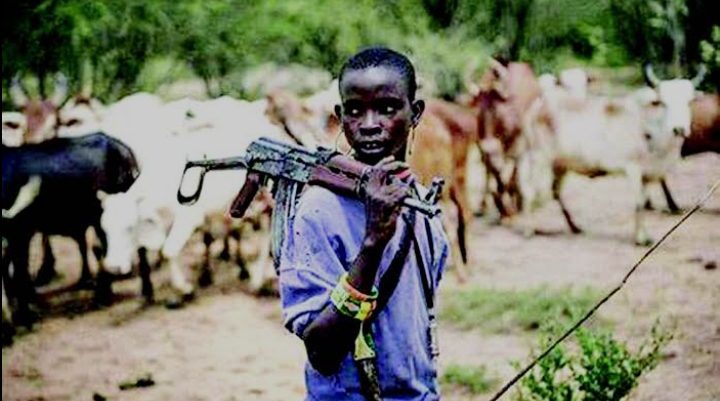
Those were the words of anger and frustration reportedly expressed by members of a Fulani community in Riyom Local Government Area of Plateau State, following what they described as yet another violent attack on one of their herdsmen by suspected youths from a neighboring community.
The story, first reported by DailyPost Nigeria on October 4, 2025, claimed that the Fulani community lamented frequent assaults, killings, and destruction of property allegedly carried out by local youths. The incident, whether confirmed or not, adds another layer to the long-standing tension between herders and farming communities in Nigeria’s Middle Belt.
However, while community leaders insist that the attack happened, independent verification is still pending. This uncertainty underscores how fragile peace remains in Plateau, where one report or rumor can reignite violence.
This SaharaNews247 investigative feature explores what is known, what remains unverified, and why such incidents continue to threaten peace in Plateau State.
The Report: “Enough Is Enough,” Says Fulani Community
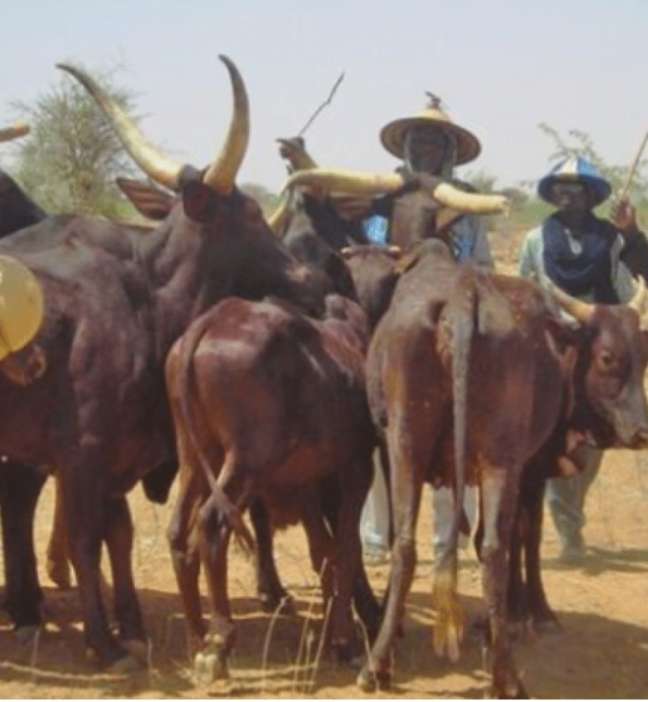
According to the DailyPost account, Fulani leaders alleged that one of their herdsmen was attacked by suspected Berom youths in Riyom. The spokesperson, identified as Yusuf, reportedly accused the youths of repeated harassment and destruction of property, warning that the community would no longer tolerate continued violence.
“We have been victims for too long,” Yusuf was quoted as saying. “Our people can no longer graze in peace, and our herds are being killed or stolen. Enough is enough.”
As of this publication, there has been no official statement from the Plateau State Police Command confirming or denying the alleged incident. A SaharaNews247 inquiry to the Command’s Public Relations Department had not yet received a response.
A senior security source in Jos said that while reports of disturbances in Riyom had reached security authorities, “the specific attack mentioned by the Fulani group is still under investigation.”
This gap between community claims and official verification reflects a recurring pattern in Plateau: many attacks are reported, but few are independently confirmed, leaving residents caught between fear and uncertainty.
Plateau State’s Endless Cycle of Violence
To understand why this story matters, it is important to place it in context. Plateau State has become one of Nigeria’s most volatile regions, symbolizing the deep cracks between farmers and herders, Christians and Muslims, and indigenes and settlers.
A brief historical overview
2001–2010: Ethnic and religious clashes ravaged Jos and nearby towns, killing thousands and displacing entire communities.
2018–2021: Renewed attacks hit Barkin Ladi, Bokkos, and Riyom, resulting in scores of deaths.
December 2023: Plateau witnessed the infamous “Black Christmas” massacres, where coordinated raids on several villages in Bokkos and Barkin Ladi left more than 200 people dead.
2024–2025: Despite security deployments and peace meetings, attacks have persisted on both Fulani and farming communities.
The alleged October 2025 Riyom attack therefore appears as part of an ongoing chain of retaliatory violence that has plagued the state for years.
What Is Known and What Remains Unverified
Confirmed facts
1. A Fulani community group issued a public complaint alleging an attack in Riyom.
2. Several Plateau LGAs—including Riyom, Barkin Ladi, and Bokkos—have recorded repeated clashes between farmers and herders in recent months.
3. Security agencies have acknowledged receiving reports of tension in the area.
4. The statement “Enough is enough” reflects genuine frustration among Fulani herders who believe they are targeted and unprotected.
Still unverified
The exact time, location, and number of casualties remain unclear.
No arrests or official confirmations have been made.
There is no photographic or forensic evidence yet from the alleged crime scene.
Security agencies have not provided details about possible suspects or motives.
Until these facts are confirmed, the story remains an allegation pending investigation.
Why Unverified Claims Are Dangerous
In conflict-prone regions like Plateau, information can be as lethal as a weapon. A single rumor—true or false—can trigger panic, displacement, and even reprisal attacks.
Between January and September 2025, SaharaNews247 fact-checked ten viral social-media reports about Plateau violence. The findings were alarming:
40 percent were unverified or false.
30 percent exaggerated casualty figures.
Only 30 percent turned out to be accurate after investigation.
This shows how misinformation fuels hatred and revenge. Residents often rely on WhatsApp messages or local Facebook pages, which are rarely fact-checked before circulation. Once misinformation spreads, it becomes nearly impossible to contain.
Deeper Roots of the Plateau Conflict
Experts and peace researchers consistently argue that the Plateau conflict is multi-dimensional—a mix of environmental, economic, political, and identity-based grievances.
1. Climate change and resource scarcity
Shrinking water sources and grazing routes have pushed Fulani herders southward, encroaching on farmlands. Farmers, in turn, retaliate when their crops are destroyed. Satellite data from the UN Food and Agriculture Organization (FAO) shows a 35 percent reduction in Plateau grazing routes since 2000.
2. Weak governance
Many villages lack effective policing. Residents complain that the government reacts only after attacks, rather than preventing them. This vacuum encourages self-help defense groups, increasing militarization of rural areas.
3. Small-arms proliferation
Nigeria’s Small Arms Survey 2024 estimated over six million illegal weapons in civilian hands. Plateau is one of the hotspots. Access to firearms means minor disputes easily escalate into massacres.
4. Political manipulation
Politicians often exploit ethnic and religious divisions for political gain. During election seasons, narratives of “indigene versus settler” resurface, reviving old wounds and mistrust.
The Human Toll Behind the Headlines
Every statistic hides a story of pain.
In Barkin Ladi, 48-year-old farmer Moses Bitrus lost two brothers in an August 2025 attack. “We cry to the government, but nobody comes,” he told SaharaNews247.
In Wase, 32-year-old herder Umar Danjuma said unknown gunmen killed his cattle. “They see us as enemies, but we just want to feed our families,” he said quietly.
Both men, on opposite sides of the conflict, share the same complaint: government absence. Their experiences illustrate that no community holds a monopoly on suffering. Both Fulani and indigenous groups are victims of a crisis larger than themselves.
The Role of the Media in a Polarized Environment
Media organizations hold enormous power in shaping public perception. Responsible reporting can calm tensions, while reckless headlines can spark violence.
Responsible journalism demands:
Verification: Cross-check every claim with multiple sources before publishing.
Balance: Present all sides—security agencies, victims, eyewitnesses, and officials.
Neutral language: Use phrases such as “alleged attack” instead of assigning blame prematurely.
Human focus: Tell the human stories that show pain and hope rather than fueling division.
Follow-up: Return to communities after the headlines fade; accountability is long-term work.
Unfortunately, in Nigeria’s fast-paced online news environment, speed often outweighs accuracy. The rush for clicks has turned tragedy into traffic. Platforms like SaharaNews247 aim to reverse this trend by emphasizing accuracy over sensationalism.
The Path to Peace and Accountability
Sustainable peace in Plateau will not come from guns but from justice and dialogue. Stakeholders must act urgently.
1. Independent investigation panels
The Plateau State Government should establish impartial investigative teams including civil-society representatives and journalists to verify all reported incidents.
2. Inter-community dialogue
Peace committees like the Plateau Inter-Religious Council and the Community Peace Partnership Initiative should be revived. Dialogue remains the most effective antidote to hate.
3. Ranching and grazing reforms
The National Grazing Policy of 2024 must be implemented. Properly managed ranches can reduce herder-farmer clashes and improve livestock productivity.
4. Community policing and intelligence
Local security networks must be strengthened to provide early-warning systems and gather actionable intelligence before conflicts erupt.
5. Equal justice for all
The government must ensure that every perpetrator—regardless of ethnicity or religion—is held accountable. Selective justice only deepens resentment.
Why the World Should Pay Attention
The Plateau conflict is part of a wider regional instability stretching across the Sahel—from Mali to Chad. Analysts warn that extremist groups could exploit local grievances if the violence continues unchecked.
The United Nations Development Programme (UNDP) and the International Crisis Group have repeatedly urged Nigeria to treat Middle Belt insecurity as a national emergency. Unresolved violence not only displaces families but also disrupts farming, threatens food security, and drains national unity.
The Plateau crisis is therefore not just a local tragedy—it is a warning signal for the entire country.
Voices of Hope Amid Despair
Despite the bloodshed, there are encouraging signs of resilience. Youth groups in Jos and Bokkos have begun organizing joint cultural events and peace football tournaments aimed at building trust between Fulani and Berom youths.
Local clerics, both Muslim and Christian, are hosting monthly interfaith dialogues that promote forgiveness and coexistence. One pastor from Riyom, Reverend Samuel Tirwun, told SaharaNews247: “We have buried too many of our people. It is time to bury hatred instead.”
Such initiatives prove that ordinary citizens often do more for peace than politicians do.
Conclusion
The alleged attack in Riyom and the Fulani community’s cry of “Enough is enough” capture the frustration of people trapped in endless violence. Whether this specific incident is verified or not, it reflects the deeper wounds of Plateau State—wounds of neglect, mistrust, and impunity.
The road to peace lies in truth, fairness, and dialogue. Security agencies must act swiftly to verify all reports and bring offenders to justice. Media organizations must uphold accuracy over speed. Communities must see one another not as enemies but as partners in survival.
Only when justice is even-handed and compassion replaces suspicion will Plateau finally find lasting peace.
About the Author
Ibrahim Musa is an award-winning investigative journalist specializing in security and human-rights reporting across Nigeria’s Middle Belt. With over a decade of field experience, he has documented conflicts in Plateau, Benue, and Nasarawa States. He advocates for conflict-sensitive journalism and holds a degree in Mass Communication from the University of Maiduguri.