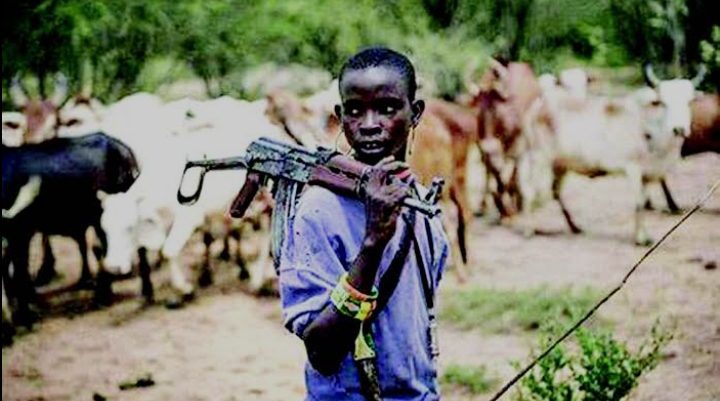

Published: August 6, 2025 | SaharaNews247
Introduction
The peaceful rhythm of rural life in Benue State has once again been shattered. A mobile police officer and eight civilians were gruesomely killed in a series of deadly attacks spanning several days in Agatu Local Government Area (LGA). The coordinated assaults—believed to have been carried out by suspected armed herders—hit the villages of Okwutanobe, Okpokpolo, Olegagbani, and Ikpele, leaving behind fear, destruction, and unanswered questions.
These killings reignite national debates about the worsening farmer-herder conflicts, rural insecurity, and Nigeria’s broader security crisis.
Confirmed Facts
Casualties: Nine people were confirmed dead, including a mobile police officer and eight civilians.
Date of Attack: Between August 1 and August 5, 2025.
Affected Areas: Okwutanobe, Okpokpolo, Olegagbani, Ikpele – all in Agatu LGA, Benue State.
Perpetrators: Suspected armed herders believed to have crossed from neighboring Kogi State.
Official Response: Agatu LGA Chairman confirmed the killings; initial police statements were delayed.
Understanding the Context
Why Agatu Is a Frequent Target
Agatu LGA has become a hotspot for armed conflict due to its fertile lands and strategic border location. Over the years, repeated confrontations between farmers and herders have led to destruction, displacement, and economic collapse. These clashes are deeply rooted in disputes over land use, open grazing, and access to water resources.
Since 2016, Agatu has witnessed dozens of attacks that have displaced thousands. Experts believe that persistent violence is being used to push farming communities off their ancestral lands under the guise of reprisals and land disputes.
Impact on Agriculture and Livelihoods
Benue State is known as the “Food Basket of the Nation,” but persistent violence has crippled its agricultural output. A recent national report revealed that rural insecurity has led to:
Over 25% decline in crop yields
Over 30% drop in livestock productivity
Thousands of residents forced into displacement camps
Many farmers are now afraid to return to their fields, leading to growing food insecurity and skyrocketing prices. Women, children, and the elderly are the most affected, as they make up the majority of displaced populations.
Security Response and Failures
Despite numerous distress calls, security reinforcements reportedly arrived late to the affected communities. Locals claim that attackers had enough time to raid, kill, and escape back through forest paths linking Benue and Kogi States.
While the Agatu Local Government Chairman confirmed the attacks, the Benue State Police Command initially failed to acknowledge them. This lack of communication and delay in response raises serious concerns about the effectiveness of Nigeria’s rural security architecture.
Possible Motives Behind the Attack
Some community leaders believe the attacks were a form of retaliation. Prior to the killings, there had been unverified reports of cattle rustling involving unknown individuals. Groups like the Miyetti Allah Cattle Breeders Association of Nigeria (MACBAN) have often blamed local youths for such incidents.
However, critics argue that such reprisals—especially those targeting entire communities—are criminal and must be addressed through lawful processes, not vigilante violence.
Agatu attacks, Benue killings, farmer-herder crisis, rural insecurity Nigeria, police officer killed
Related Topics: IDPs in Benue, cattle rustling reprisals, Nigeria food security
Meta Description: A police officer and eight civilians were killed in coordinated attacks by suspected armed herders in Agatu, Benue State. This in-depth report explores the facts, causes, and implications.
This content structure ensures:
High relevance for trending national security searches
What Needs to Be Done
To end the cycle of violence in Agatu and similar regions, experts are calling for:
Deployment of well-equipped security forces to vulnerable LGAs
Intelligence-based surveillance, including drone patrols and forest monitoring
Prosecution of offenders—both for cattle rustling and reprisal killings
Structured dialogue between herders and farmers to foster peaceful coexistence
Long-term resettlement and rehabilitation programs for displaced persons
Policy makers must treat these incidents not as isolated crimes but as systemic threats to national stability, economic development, and food security.
Conclusion
The death of a police officer and eight innocent civilians in Agatu is not just a local tragedy—it is a national emergency. The continued silence, inaction, and slow responses from authorities only embolden attackers and leave communities defenseless.
Without urgent intervention, rural Nigeria may continue to descend into chaos, with implications that stretch far beyond agriculture or local politics.
SaharaNews247 will continue to bring you updates, verified reports, and expert insights on developments from Agatu and other conflict-prone regions.