By Michael Oche | SaharaNews247.com
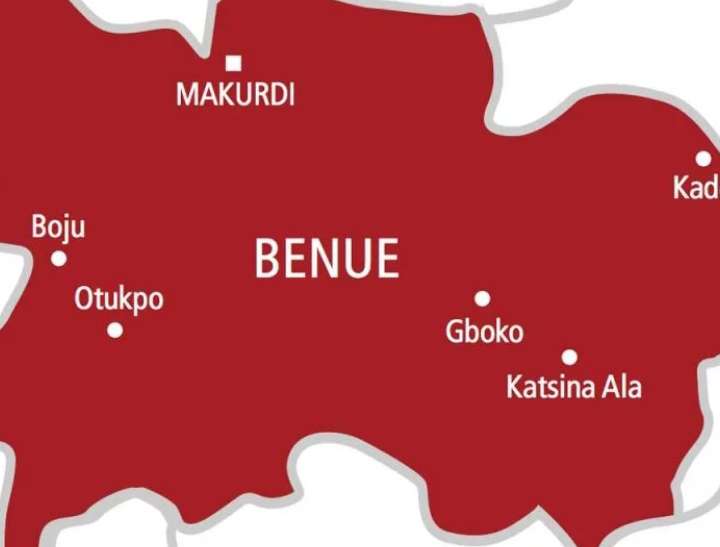
Benue State, often referred to as the Food Basket of the Nation, is once again at the center of national attention as violence, displacement, and insecurity continue to spread across several communities. The Benue State Emergency Management Agency (SEMA) has raised a serious alarm, revealing that 17 out of the state’s 23 Local Government Areas (LGAs) are currently under siege from armed attacks.
This revelation paints a grim picture of a humanitarian crisis that is rapidly worsening, threatening food security, livelihoods, and peace in one of Nigeria’s most agriculturally rich states.
The Alarming Disclosure by Benue SEMA
According to Dr. James Iorpuu, the Executive Secretary of SEMA, the situation has become dire. He stated that thousands of residents have been displaced, with several communities reduced to rubble following consistent waves of armed invasions.
SEMA’s latest report indicates that 17 LGAs, including Guma, Gwer West, Logo, Ukum, Agatu, Kwande, Apa, and others, have recorded frequent violent attacks in recent months. Only about six LGAs — including Gboko, Ushongo, Ohimini, Konshisha, and Ogbadibo — remain relatively peaceful.
Dr. Iorpuu emphasized that the scale of destruction has overwhelmed both the state and local authorities. Relief materials are insufficient, and internally displaced persons (IDP) camps are overcrowded, with many lacking food, clean water, and healthcare.
The Expanding Wave of Violence
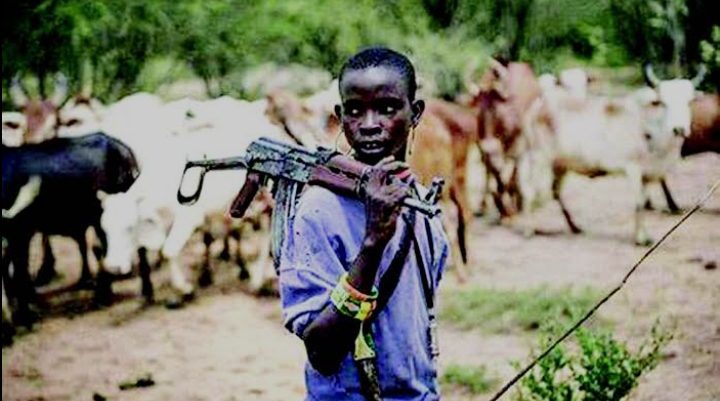
What was initially a localized conflict between farmers and herders has evolved into a widespread crisis involving bandit groups, armed militias, and cross-border attackers.
Security analysts warn that the problem is no longer just about clashes over grazing routes. Many of the recent attacks, they argue, show signs of organized assaults involving well-armed men, suggesting external coordination and funding.
Several recent incidents highlight this growing trend:
In Gwer West LGA, at least seven people were killed and three others abducted in one night of violence.
In Logo and Ukum LGAs, reports indicate the burning of farmlands, looting of harvests, and attacks on local vigilante groups.
Communities in Kwande and Agatu have witnessed mass displacements, with survivors now living in temporary shelters along major roadsides.
Residents describe the situation as “a slow-moving war” that has left thousands without homes or livelihoods.
Impact on Food Security and the Economy
Benue is Nigeria’s agricultural powerhouse, known for producing yams, rice, soybeans, maize, and sesame. However, the ongoing attacks have severely disrupted farming activities, threatening national food supply chains.
Farmers have abandoned large portions of fertile land due to fear of attacks. As a result, local markets are shrinking, food prices are rising, and the state’s economy is deteriorating.
Economic experts warn that if the situation persists, Benue’s contribution to Nigeria’s Gross Domestic Product (GDP) could drop significantly, further worsening the country’s food inflation crisis.
The Humanitarian Burden: Life in IDP Camps
SEMA estimates that hundreds of thousands of people are currently displaced across the state. Many now reside in IDP camps in Makurdi, Guma, and Gwer West LGAs.
In most camps, conditions are deplorable — families live in overcrowded tents, children suffer from malnutrition, and outbreaks of diseases like cholera and malaria are common.
Local and international humanitarian organizations, including the Red Cross and UNICEF, have provided some assistance, but the demand far outweighs available support.
Dr. Iorpuu noted that many IDPs have been living in camps for over five years, unable to return home due to persistent insecurity.
Government Response: Words vs. Action
The Benue State Government has repeatedly called on the Federal Government to intervene more decisively. Governor Hyacinth Alia recently lamented that despite military deployments and security meetings, attacks have continued unabated.
He called for the reinforcement of security personnel in rural areas and better coordination between state and federal agencies.
Critics, however, argue that government response remains reactive rather than preventive. There are concerns that both the federal and state authorities have failed to implement a long-term strategy to address the root causes — including land disputes, illegal arms circulation, and the lack of effective border policing.
The Federal Government’s Role and National Implications
The situation in Benue is not isolated. Neighboring states such as Nasarawa, Taraba, and Plateau have also experienced similar waves of violence, suggesting a regional security failure.
The Federal Government has announced plans to increase military presence and collaborate with community-based security networks. Yet, the results on the ground remain limited.
Security analysts believe that Nigeria’s broader counterterrorism strategy must integrate rural security and community intelligence gathering to prevent such crises from spreading further.
Beyond Politics: The Human Cost
While political actors trade blame over the crisis, the human toll continues to rise. Families are separated, villages destroyed, and children deprived of education.
In some IDP camps, there are reports of teenage girls being forced into early marriages and young boys being recruited into vigilante groups for self-defense.
The long-term psychological trauma, especially among children who have witnessed violence firsthand, is a growing concern for humanitarian agencies.
The Path Forward: What Needs to Be Done
Experts and civil society groups have outlined several urgent steps to address the crisis:
1. Community Policing and Local Vigilance Networks
Strengthening local security structures can help detect threats early and prevent attacks before they escalate.
2. Resettlement and Rehabilitation
The government must prioritize rebuilding destroyed communities and supporting displaced persons to return home safely.
3. Stronger Border Control
Many attackers are suspected to cross from neighboring states or countries. Improved border security and surveillance are essential.
4. Dialogue and Conflict Resolution
A sustainable peace framework involving community leaders, traditional rulers, and herders’ associations is necessary to address underlying grievances.
5. Humanitarian Support Expansion
More funding and coordination between local and international NGOs are needed to meet the needs of IDPs and reduce dependence on government aid.
6. Accountability and Justice
Perpetrators of violence must be identified and prosecuted to end the culture of impunity that has fueled recurring attacks.
International Attention and Calls for Support
The United Nations and other international partners have expressed concern over the situation in Benue. Reports from global agencies describe Nigeria’s internal displacement problem as one of the worst in Africa.
Benue alone accounts for a significant portion of the over 3 million internally displaced persons (IDPs) in Nigeria.
International observers have urged the Federal Government to intensify efforts at peacebuilding and invest in rural development to address the socio-economic conditions fueling the violence.
Restoring Hope in the Food Basket of the Nation
Despite the grim realities, community resilience remains strong. Across Benue, youth and women groups are organizing local peace talks and self-help initiatives to rebuild their lives.
Agricultural cooperatives are forming to help displaced farmers restart small-scale farming near IDP camps. Religious and traditional leaders continue to advocate for peace and unity among diverse ethnic groups.
Experts believe that with proper security intervention, economic support, and inclusive governance, Benue can recover its lost glory as the “Food Basket of the Nation.”
Conclusion
The situation in Benue State is a stark reminder of Nigeria’s deepening security challenges and the urgent need for coordinated national action. The revelation by SEMA that 17 LGAs are under attack is not just a statistic — it represents thousands of lives disrupted, families displaced, and communities destroyed.
Beyond immediate relief, there is a need for a sustainable peace strategy that prioritizes human security, justice, and inclusive governance. If addressed decisively, Benue can once again thrive as a beacon of agricultural and cultural strength in Nigeria’s Middle Belt.
Author Bio
Michael Oche is a journalist and public affairs analyst based in Abuja. He writes on national security, governance, and development issues for SaharaNews247.com. His work focuses on amplifying voices from communities affected by conflict across Nigeria.